How Hard Water Is Damaging Your Plumbing (And What Middle Georgia Homeowners Can Do About It)
Lauren Scott • July 8, 2026

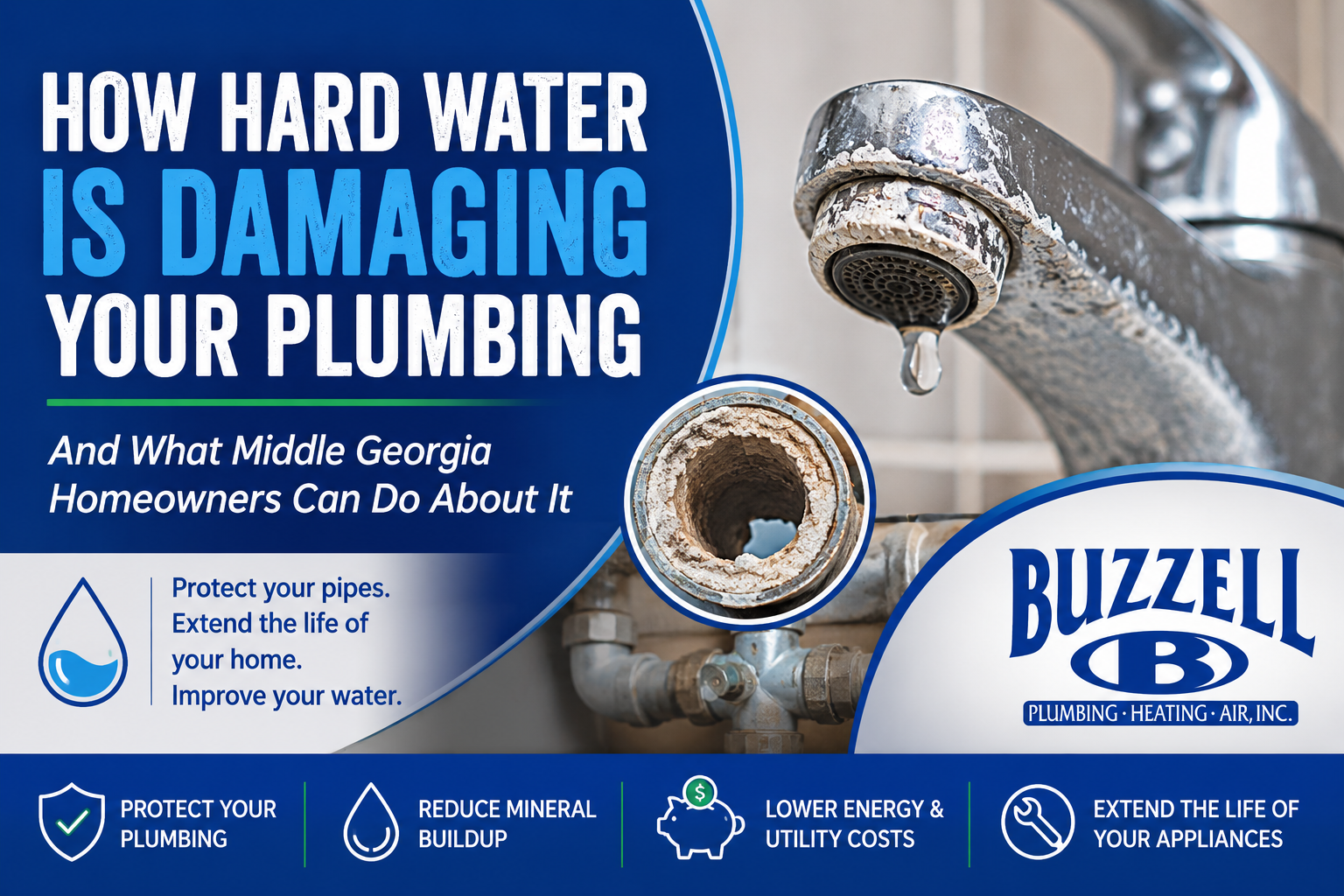
If you've noticed white spots on your faucets, soap that never seems to lather properly, or a drop in your home's water pressure, hard water could be the culprit. While these issues may seem like minor inconveniences, the minerals in hard water can quietly take a toll on your plumbing system, appliances, and even your monthly utility bills.


Hard water is common throughout many parts of Georgia, making it an issue many homeowners don't realize they're dealing with until plumbing problems begin to surface. Understanding how hard water affects your home can help you prevent costly repairs and extend the life of your plumbing system.


What Is Hard Water?


Hard water contains high levels of dissolved minerals, primarily calcium and magnesium. These minerals are naturally picked up as groundwater moves through rock and soil before reaching your home.


Although hard water is generally safe to drink, it can leave behind mineral deposits, also known as scale, wherever water flows. Over time, these deposits accumulate inside pipes, fixtures, water heaters, and household appliances, reducing efficiency and increasing wear and tear.


Signs You Have Hard Water


Many homeowners live with hard water for years without realizing it. Here are some of the most common signs:


White or Chalky Buildup


If you notice a white, crusty residue around faucets, showerheads, or sinks, you're likely seeing mineral deposits left behind by hard water. These deposits become more difficult to remove the longer they're allowed to build up.


Soap Doesn't Lather Well


Hard water reacts with soap, making it more difficult to create a rich lather. As a result, you may find yourself using more soap, shampoo, and detergent than necessary.


Water Spots on Glassware


Even after running your dishwasher, glasses and dishes may come out looking cloudy or spotted due to mineral residue.


Dry Skin and Hair


The minerals in hard water can leave behind a film that makes it harder to rinse away soap completely. Many homeowners notice their skin feels dry or itchy and their hair feels dull after showering.


Reduced Water Pressure


One of the less obvious signs of hard water is decreasing water pressure. As mineral deposits build up inside plumbing pipes and fixtures, they gradually restrict water flow throughout your home.


How Hard Water Damages Your Plumbing


While the cosmetic issues are frustrating, the hidden effects inside your plumbing system can be much more expensive.


Mineral Buildup Inside Pipes


Each time water flows through your plumbing, tiny amounts of calcium and magnesium remain behind. Over months and years, these deposits continue to accumulate on the interior walls of your pipes.


This narrowing reduces water flow and forces your plumbing system to work harder to deliver water throughout your home. In severe cases, pipes can become significantly restricted, requiring professional cleaning or replacement.


Increased Wear on Plumbing Fixtures


Faucets, showerheads, and valves are especially vulnerable to mineral buildup. As deposits collect around moving components, fixtures may begin leaking, sticking, or operating less efficiently.


Regular cleaning can remove surface buildup, but internal mineral deposits often require professional attention.


Water Heater Problems


Your water heater is one of the hardest-working appliances in your home, and hard water can dramatically shorten its lifespan.

As minerals settle at the bottom of the tank, they create a layer of sediment that insulates the water from the heating element or burner. This means your water heater has to work longer and consume more energy to heat the same amount of water.


Over time, excessive sediment can cause:

  • Higher energy consumption
  • Reduced hot water capacity
  • Popping or rumbling noises
  • Overheating
  • Premature tank failure


Routine maintenance and periodic flushing help reduce sediment buildup, but homes with especially hard water may benefit from additional water treatment solutions.


Appliance Damage


Hard water doesn't just affect your plumbing. Household appliances that rely on water also suffer from mineral buildup.

Commonly affected appliances include:


  • Dishwashers
  • Washing machines
  • Ice makers
  • Coffee makers
  • Tankless water heaters


As scale accumulates, these appliances become less efficient and may require more frequent repairs or replacement.


Can Hard Water Increase Your Utility Bills?


Yes. Hard water can quietly raise your monthly utility costs in several ways.


When mineral deposits coat heating elements or accumulate inside water heaters, the equipment must use more energy to heat water. Restricted pipes can also reduce water flow efficiency, meaning fixtures may need to run longer to accomplish everyday tasks.


Additionally, because soap doesn't work as effectively with hard water, homeowners often use more:


  • Laundry detergent
  • Dish soap
  • Shampoo
  • Body wash
  • Household cleaners


While each increase may seem small, the combined costs add up over time.


Water Softeners vs. Water Filtration Systems


Many homeowners assume water filtration and water softening are the same thing, but they solve different problems.


Water Softeners


Water softeners are designed specifically to remove the calcium and magnesium minerals responsible for hard water. They work through a process called ion exchange, replacing hardness minerals with sodium or potassium.


A water softener helps:


  • Prevent scale buildup
  • Protect plumbing
  • Improve soap performance
  • Extend appliance lifespan
  • Increase water heater efficiency


Water Filtration Systems


Water filtration systems focus on improving water quality by removing contaminants such as chlorine, sediment, chemicals, and other impurities that may affect taste, odor, or overall water quality.


Depending on your home's water conditions, a filtration system, a water softener, or a combination of both may provide the best solution.


A professional plumbing inspection can help determine which option best fits your home's needs.


Tips for Minimizing Hard Water Damage


Even if you aren't ready to install a water treatment system, there are steps you can take to reduce the effects of hard water.

Flush your water heater according to the manufacturer's recommendations to remove accumulated sediment.


Clean faucet aerators and showerheads regularly to remove mineral buildup before it restricts water flow.


Watch for declining water pressure, which may indicate scale buildup inside your plumbing.


Schedule routine plumbing inspections to catch minor issues before they become expensive repairs.


If you notice recurring mineral buildup throughout your home, consider having your water tested to determine the level of hardness and whether treatment is recommended.


When Should You Call a Professional?


While some mineral deposits can be cleaned at home, persistent hard water problems often require professional solutions.

If you're experiencing recurring plumbing repairs, low water pressure, water heater issues, or excessive mineral buildup, it's worth having your plumbing system evaluated. A professional plumber can identify the extent of scale buildup, recommend appropriate water treatment options, and help protect your home's plumbing from long-term damage.


Protect Your Home from Hard Water

Hard water may be common throughout Middle Georgia, but that doesn't mean you have to live with the problems it causes. Addressing mineral buildup early can help improve your home's plumbing performance, reduce energy costs, extend the life of your appliances, and prevent expensive repairs down the road.


If you're noticing signs of hard water or want to learn more about water treatment solutions for your home, the experienced team at Buzzell Plumbing, Heating & Air can evaluate your plumbing system and recommend solutions that fit your needs. Contact us today to schedule an inspection and keep your home's plumbing operating at its best.
By Anel Ganic June 30, 2026
Wondering why your upstairs is always hot? Learn the common causes of uneven cooling and how Buzzell Plumbing, Heating & Air can restore comfort.
By Lauren Scott June 18, 2026
Why is your toilet gurgling? Learn the common plumbing issues behind bubbling toilets, warning signs to watch for, and when to call a plumber.
By Lauren Scott June 8, 2026
Summer energy bills rising even though your HVAC system seems fine? Learn the hidden causes of cooling inefficiency and how homeowners can reduce costs.
By Lauren Scott June 3, 2026
The Hidden Cost of Deferred Commercial HVAC Maintenance For many businesses, HVAC maintenance is easy to push down the priority list. As long as the system is heating and cooling the building, it may seem like there is no urgent reason to schedule service. However, delaying routine commercial HVAC maintenance often creates costs that far exceed the price of preventive care. What starts as a minor issue can quickly develop into a major repair, unexpected downtime, rising energy bills, or even premature equipment replacement. For commercial facilities, the financial impact of deferred maintenance extends well beyond the HVAC system itself. Understanding these hidden costs can help business owners and facility managers make more informed decisions about protecting their buildings and budgets. Small Problems Become Expensive Repairs Commercial HVAC systems are complex pieces of equipment with numerous moving parts that operate for long hours throughout the year. Over time, components naturally experience wear and tear. Routine maintenance is designed to identify and address small issues before they become significant problems. A worn belt, dirty coil, clogged drain line, or failing electrical connection may not immediately affect system performance, but these issues rarely improve on their own. Without regular inspections, minor concerns can place additional strain on other components, leading to larger failures and more expensive repairs. A simple maintenance visit that could have corrected a small issue may ultimately prevent a costly emergency service call or equipment breakdown. Rising Energy Costs Often Go Unnoticed One of the most common hidden expenses associated with deferred HVAC maintenance is increased energy consumption. When HVAC systems are not properly maintained, they must work harder to deliver the same level of comfort. Dirty filters restrict airflow, debris-covered coils reduce heat transfer efficiency, and improperly calibrated controls can cause equipment to run longer than necessary. These inefficiencies may seem insignificant on a daily basis, but they add up over time. Businesses often experience higher utility costs without realizing that neglected maintenance is contributing to the problem. For facilities with large rooftop units, multiple zones, or extensive operating hours, even small efficiency losses can translate into substantial annual energy expenses. Unexpected Downtime Disrupts Business Operations Few facility issues are more disruptive than an unexpected HVAC failure. When heating or cooling systems stop working, the consequences often extend beyond occupant comfort. Employees may struggle to remain productive in uncomfortable temperatures. Customers may choose to leave or avoid returning. Sensitive equipment, inventory, or technology may be exposed to conditions outside recommended operating ranges. For healthcare facilities, retail locations, office buildings, warehouses, and manufacturing environments, HVAC downtime can create significant operational challenges. Emergency repairs are typically more expensive than scheduled maintenance and often occur at the least convenient times. Preventive maintenance helps reduce the likelihood of these unexpected disruptions while improving overall system reliability. Equipment Lifespan Can Be Significantly Reduced Commercial HVAC systems represent a substantial capital investment. Business owners naturally want to maximize the lifespan of their equipment before replacement becomes necessary. Deferred maintenance can shorten that lifespan considerably. When systems operate under constant strain due to dirty components, airflow restrictions, refrigerant issues, or neglected mechanical wear, critical equipment ages more rapidly. Compressors, motors, fans, and other major components are forced to work harder than intended. As a result, businesses may find themselves replacing expensive equipment years earlier than expected. A well-maintained commercial HVAC system often delivers better performance and remains operational longer, helping organizations maximize their return on investment. Indoor Air Quality Can Suffer Today's businesses place increasing importance on creating healthy, comfortable indoor environments for employees, customers, and visitors. HVAC systems play a critical role in maintaining indoor air quality. When maintenance is neglected, dust, debris, allergens, and other contaminants can accumulate within the system and circulate throughout the building. Poor ventilation, dirty filters, and neglected components may contribute to uncomfortable indoor conditions and reduced air quality. In office environments, this can impact employee comfort and satisfaction. In healthcare, education, and customer-facing facilities, indoor air quality concerns can affect both occupants and business reputation. Routine maintenance helps ensure HVAC systems continue supporting a cleaner and healthier indoor environment. Budgeting Becomes More Difficult One of the advantages of preventive maintenance is predictability. Scheduled maintenance programs allow facility managers and business owners to plan for service costs throughout the year. Deferred maintenance often produces the opposite result. Instead of manageable maintenance expenses, businesses face unexpected repair bills, emergency service calls, equipment failures, and potential replacement costs. These unplanned expenses can place strain on operational budgets and complicate long-term facility planning. Organizations that invest in regular maintenance often experience fewer financial surprises and greater control over their building-related expenses. Compliance and Safety Concerns May Increase Depending on the industry, HVAC system performance may influence compliance requirements, safety standards, or operational regulations. Temperature control, ventilation, humidity management, and indoor air quality can all play important roles in maintaining compliant facilities. When maintenance is delayed, businesses may increase the risk of operational issues that affect these requirements. Routine inspections help identify concerns before they create larger compliance, safety, or operational challenges. A Proactive Approach Delivers Long-Term Value Commercial HVAC maintenance is often viewed as an expense, but in reality, it is an investment in the performance, efficiency, and longevity of a building's critical systems. By addressing small issues early, improving energy efficiency, reducing downtime, extending equipment life, and supporting occupant comfort, preventive maintenance can help businesses avoid many of the hidden costs associated with neglect. The goal is not simply to keep equipment running today. It is to ensure reliable performance, predictable operating costs, and long-term value for years to come. Protect Your Commercial HVAC Investment  Your HVAC system is one of the most important assets in your facility. Routine maintenance can help reduce costly repairs, improve efficiency, and keep your building operating at its best. Buzzell provides commercial HVAC maintenance, repair, and system support services designed to help businesses maximize performance while minimizing unexpected disruptions. Contact our team today to learn how a proactive maintenance strategy can help protect your facility and your bottom line.
By Lauren Scott May 27, 2026
Reduce costly downtime and energy waste by learning the warning signs of an inefficient commercial HVAC system before repairs become expensive.
By Lauren Scott May 21, 2026
Learn how often Georgia homeowners should service their HVAC systems to improve efficiency, prevent breakdowns, lower energy bills, and extend equipment lifespan.
By Lauren Scott May 14, 2026
Stay cool this summer with expert AC repair in Warner Robins, GA. Learn the top warning signs your air conditioner may need professional service.
energy myths that make your utility bills higher
May 5, 2026
Learn how to lower utility bills by avoiding common energy myths. Discover simple, practical tips to reduce energy waste and cut monthly costs.
Raindrops on a window with a blurred green background of foliage.
By Buzzell Plumbing September 18, 2025
Excess moisture forces your AC to work harder to keep your home cool, which can reduce efficiency, increase energy costs and shorten the lifespan of your system.
Bathroom with a dark wooden vanity, glass shower, and a mosaic accent tile.
By Buzzell September 18, 2025
While the occasional sound may seem harmless, bubbling can actually be a sign of an underlying issue in your drain or vent system.