Signs Your Commercial HVAC System Is Costing Your Business More Than It Should
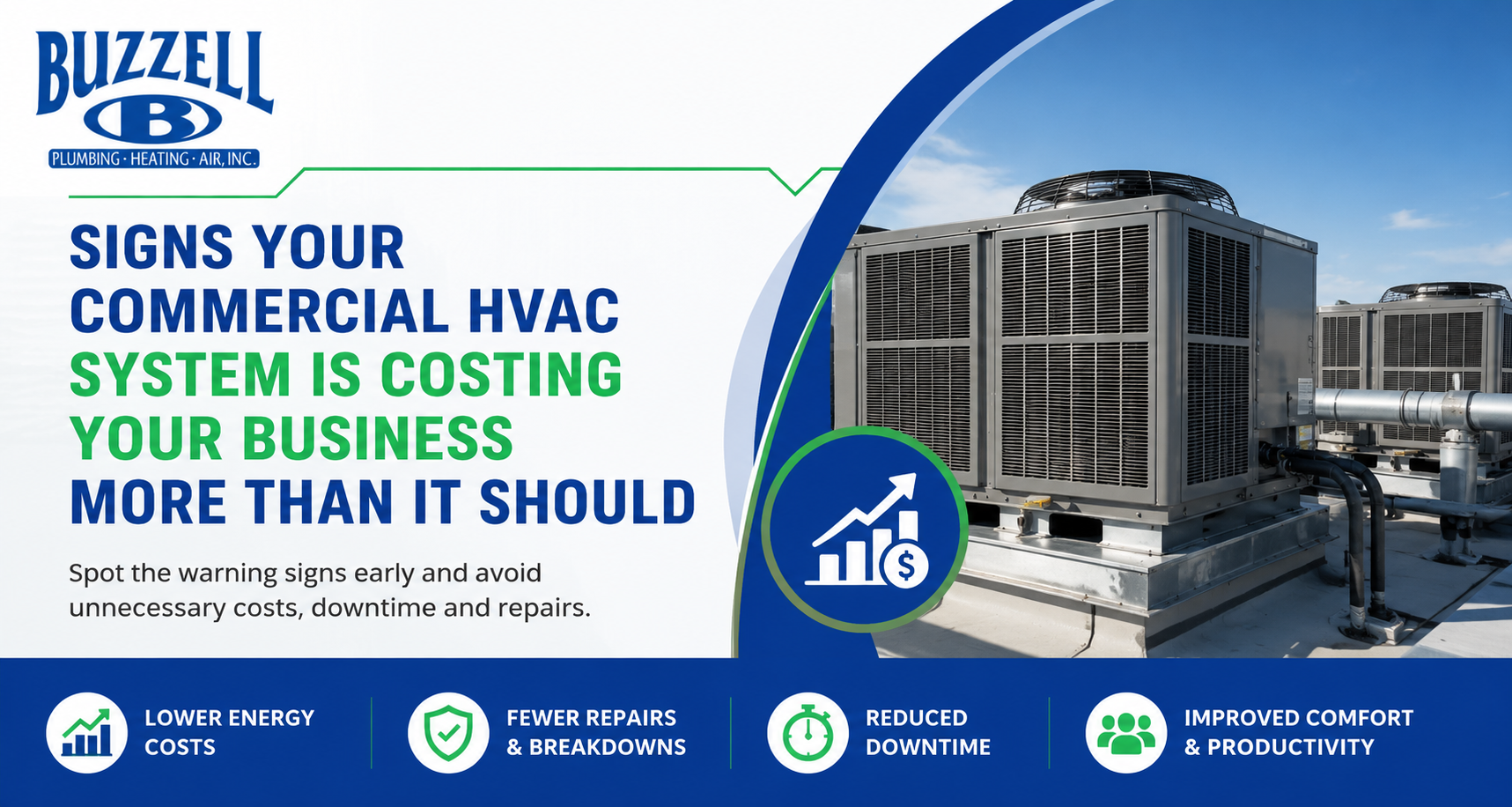
For many businesses, commercial HVAC systems operate quietly in the background until something goes wrong. As long as the building stays comfortable, it is easy to assume the system is running efficiently. However, commercial HVAC problems often develop gradually over time, leading to higher energy bills, expensive repairs, reduced comfort, and unnecessary strain on equipment.
An inefficient HVAC system can quietly increase operational costs month after month. For office buildings, retail spaces, warehouses, restaurants, medical facilities, and industrial properties, these costs can add up quickly. Recognizing the warning signs early can help businesses reduce expenses, improve system performance, and avoid major disruptions.
Rising Utility Bills Without Increased Usage
One of the clearest signs your commercial HVAC system may be costing too much is a noticeable increase in energy bills without major changes in building occupancy or usage.
Commercial HVAC systems account for a significant portion of a building’s energy consumption. When components become dirty, worn, or outdated, the system must work harder to maintain the desired temperature. This increased workload leads directly to higher operating costs.
Several issues can contribute to declining efficiency, including:
Dirty Coils and Filters
Dust and debris restrict airflow and reduce heat transfer efficiency. This forces HVAC units to run longer cycles to achieve the same level of cooling or heating.
Aging Equipment
Older rooftop units and HVAC systems naturally lose efficiency over time. Even if they still function, they may consume far more energy than newer commercial systems.
Refrigerant Problems
Low refrigerant levels or leaks reduce cooling performance and place additional stress on compressors and other components.
Faulty Thermostats or Controls
Inaccurate temperature readings or outdated building controls can cause systems to overrun unnecessarily.
If utility costs continue climbing despite normal business operations, it may be time for a commercial HVAC inspection.
Frequent Repairs and Service Calls
Occasional HVAC repairs are normal, especially in large commercial buildings. However, frequent breakdowns often indicate larger underlying issues.
Businesses that repeatedly pay for emergency service calls may actually spend more over time than they would on system upgrades or proactive maintenance. Recurring repairs can also create operational disruptions that affect employees, customers, and tenants.
Common warning signs include:
- Constant thermostat issues
- Repeated refrigerant leaks
- Electrical failures
- Blower motor problems
- Compressor issues
- Frequent system shutdowns
- Uneven heating or cooling
As HVAC systems age, components wear out faster and become less reliable. In many cases, businesses continue investing in repairs without realizing how much downtime and inefficiency are costing them.
Tracking repair frequency and maintenance expenses can help determine whether a system is becoming financially inefficient.
Uneven Temperatures Throughout the Building
Hot and cold spots throughout a commercial property are often signs of airflow or HVAC performance problems.
Employees working in uncomfortable conditions may become distracted or less productive, while customers may view inconsistent temperatures as a reflection of poor building maintenance. In certain industries such as healthcare, hospitality, or food service, temperature control is especially important.
Uneven temperatures can result from:
Ductwork Leaks or Restrictions
Damaged or poorly sealed ductwork allows conditioned air to escape before reaching occupied spaces.
Failing HVAC Components
Blower motors, dampers, and compressors that are not operating properly can reduce airflow and temperature consistency.
Improper System Sizing
Commercial buildings that have undergone renovations or occupancy changes may have HVAC systems that no longer match the building’s needs.
Poor Building Automation Settings
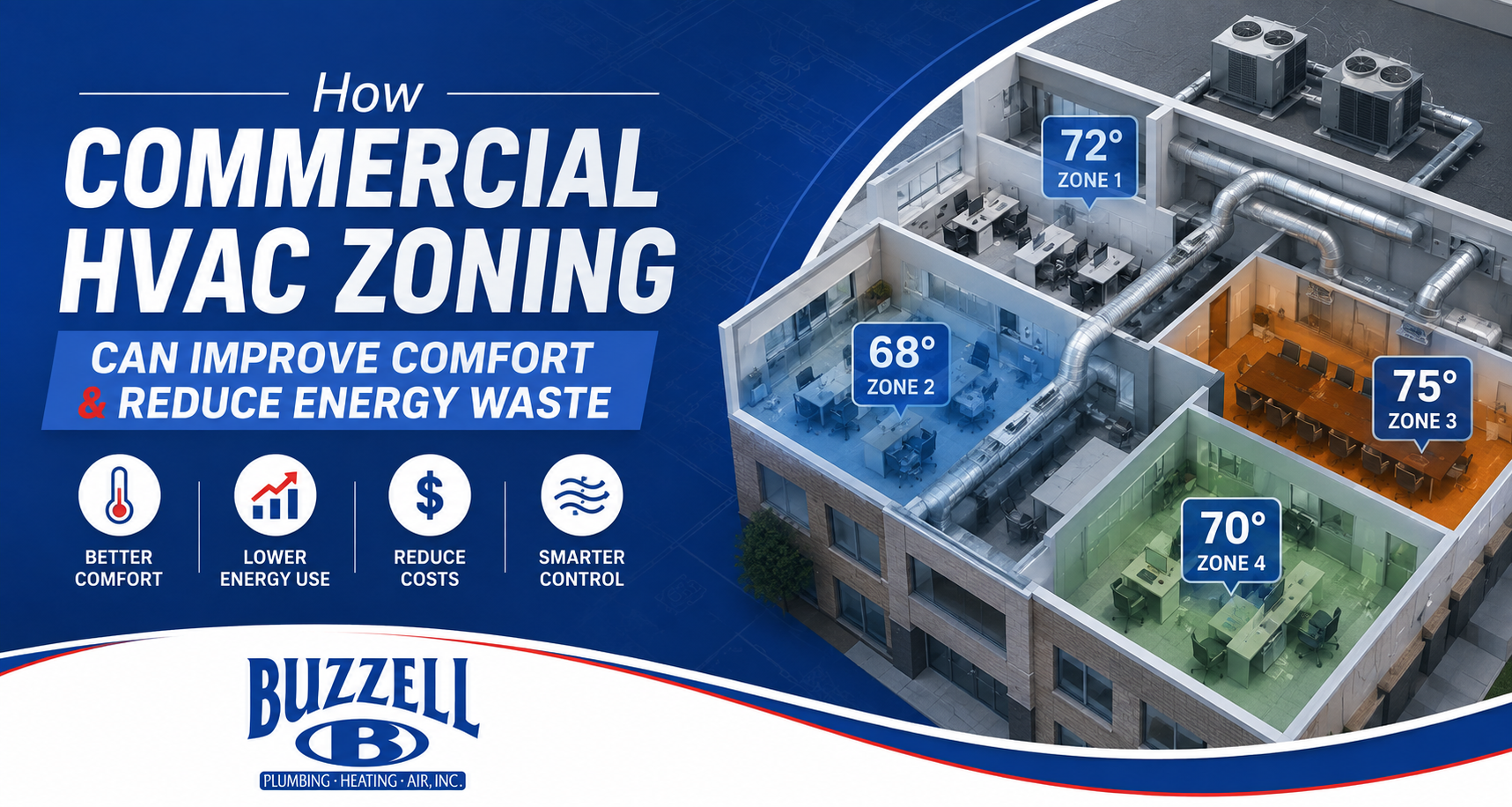
Incorrect zoning or scheduling settings can create temperature imbalances across different areas of the property.
When certain rooms consistently feel warmer or cooler than others, the HVAC system may be operating inefficiently and wasting energy.
HVAC Systems Running Constantly
Commercial HVAC systems should cycle on and off throughout the day based on building demand. If units seem to run constantly without reaching the desired temperature, this often points to efficiency issues.
Continuous operation increases wear and tear on equipment while significantly increasing energy consumption.
Potential causes include:
- Dirty evaporator or condenser coils
- Refrigerant leaks
- Airflow restrictions
- Failing compressors
- Poor insulation within the building
- Thermostat calibration issues
Constant operation may temporarily maintain comfort levels, but it places excessive strain on the system and shortens equipment lifespan.
Poor Indoor Air Quality
Commercial HVAC systems do more than regulate temperature. They also play a major role in indoor air quality.
When ventilation systems are not functioning properly, businesses may notice:
- Increased dust buildup
- Stale or musty odors
- Excess humidity
- Employee complaints about allergies or headaches
- Poor airflow
- Mold or mildew concerns
Dirty filters, clogged ducts, poor ventilation, and neglected maintenance can all contribute to unhealthy indoor environments.
Poor indoor air quality can negatively impact employee wellness, customer experience, and even overall productivity. Businesses that prioritize HVAC maintenance often see improvements in both comfort and operational performance.
Your Commercial HVAC System Is Nearing the End of Its Lifespan
Most commercial HVAC systems have a general lifespan of 15 to 20 years depending on maintenance, usage, and environmental conditions. As systems age, they become less efficient and more expensive to maintain.
Older commercial units often:
- Require more frequent repairs
- Consume more energy
- Struggle to maintain consistent temperatures
- Use outdated refrigerants
- Lack modern efficiency features
While replacing a commercial HVAC system is a major investment, continuing to operate an outdated system can become even more expensive over time.
Modern commercial HVAC systems offer improved energy efficiency, better building controls, enhanced zoning capabilities, and lower operating costs. Businesses that upgrade aging equipment often experience long-term savings through reduced utility bills and fewer repair expenses.
The Value of Proactive Commercial HVAC Maintenance
Many costly HVAC issues can be prevented through routine maintenance and regular inspections.
Preventative maintenance helps businesses:
- Identify problems early
- Improve energy efficiency
- Extend equipment lifespan
- Reduce emergency repairs
- Maintain consistent indoor comfort
- Improve indoor air quality
- Lower long-term operating costs
Routine commercial HVAC maintenance typically includes filter replacements, coil cleaning, refrigerant checks, electrical inspections, airflow testing, thermostat calibration, and system performance evaluations.
Rather than waiting for a major breakdown, proactive maintenance allows businesses to address smaller issues before they become expensive disruptions.
Final Thoughts
Commercial HVAC systems are one of the most important operational components in any business facility. When systems become inefficient, businesses often pay the price through higher energy bills, recurring repairs, reduced comfort, and unexpected downtime.
Warning signs such as rising utility costs, uneven temperatures, constant system operation, and poor indoor air quality should never be ignored. Addressing these issues early can help businesses improve efficiency, protect equipment, and reduce long-term expenses.
Regular commercial HVAC maintenance and system evaluations provide valuable insight into how well equipment is performing and whether improvements may be needed. Investing in HVAC efficiency today can help businesses avoid much larger costs in the future.