Why Is My Upstairs Always Hot? Solving Uneven Cooling Problems in Georgia Homes
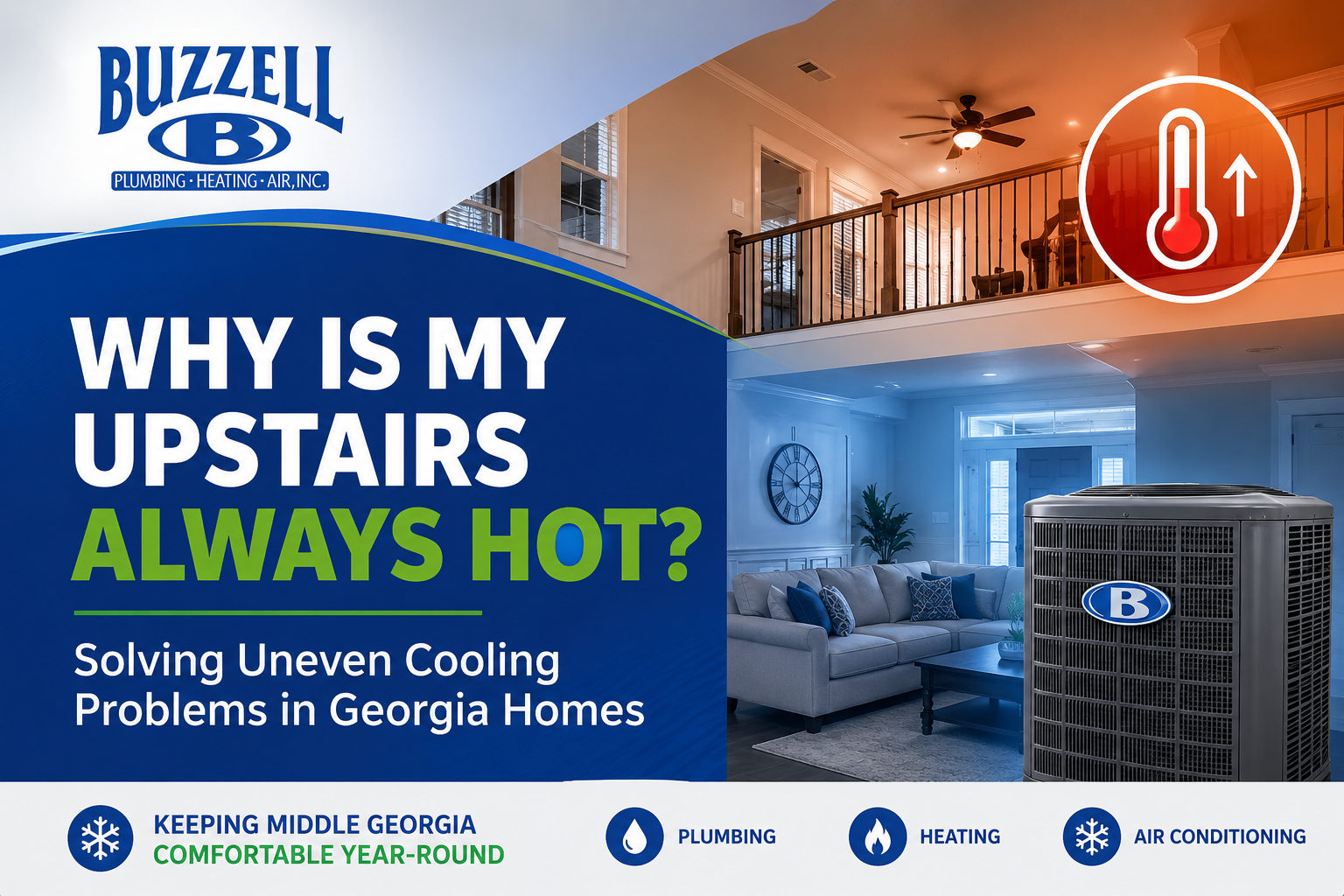
If you've ever walked upstairs during a Georgia summer and felt like you entered a completely different climate, you're not alone. Many homeowners struggle with second-floor rooms that stay noticeably warmer than the rest of the house, even while the air conditioner is running.
Uneven cooling isn't just frustrating. It can make your home less comfortable, increase energy bills, and place unnecessary strain on your HVAC system. The good news is that the problem is often caused by issues that can be identified and corrected by a professional.
Here's why your upstairs may always feel hotter and what you can do to restore comfort throughout your home.
Why Does the Upstairs Get Hotter?
Heat naturally rises, making upper floors warmer than lower levels. During the summer, your roof also absorbs a significant amount of heat from the sun, transferring warmth into the attic and eventually the rooms below.
While some temperature difference between floors is normal, your air conditioner should still be able to maintain comfortable temperatures throughout your home. If the upstairs remains several degrees warmer than the first floor, there's likely an issue affecting your HVAC system's performance.
Common Causes of Uneven Cooling
Several factors can contribute to hot upstairs rooms.
Restricted Airflow
One of the most common causes is poor airflow. If cool air isn't reaching your second floor effectively, those rooms will struggle to stay comfortable.
Restricted airflow may result from:
- Dirty air filters
- Blocked or closed supply vents
- Furniture covering registers
- Dirty evaporator coils
- Blower motor problems
Even something as simple as a clogged filter can reduce airflow enough to create uneven temperatures throughout your home.
Leaky or Damaged Ductwork
Your ductwork carries conditioned air throughout your house. If ducts have leaks, loose connections, or damaged sections, cooled air can escape into your attic or crawl space before it ever reaches your upstairs rooms.
Leaky ducts not only reduce comfort but also waste energy by forcing your HVAC system to work harder than necessary.
Professional duct inspections can identify hidden leaks and restore proper airflow.
Poor Attic Insulation
Your attic acts as a barrier between your home and the intense Georgia sun. If insulation has deteriorated or isn't sufficient, heat transfers more easily into your upstairs living spaces.
Signs that your attic insulation may be inadequate include:
- Hot ceilings during the afternoon
- Rooms that cool slowly
- Higher-than-normal cooling costs
- Large temperature differences between floors
Improving insulation can significantly reduce heat gain and improve overall comfort.
Incorrect Thermostat Location
Most homes have a single thermostat located on the main floor. Once the downstairs reaches the desired temperature, the thermostat tells the air conditioner to shut off.
Unfortunately, the upstairs may still be several degrees warmer.
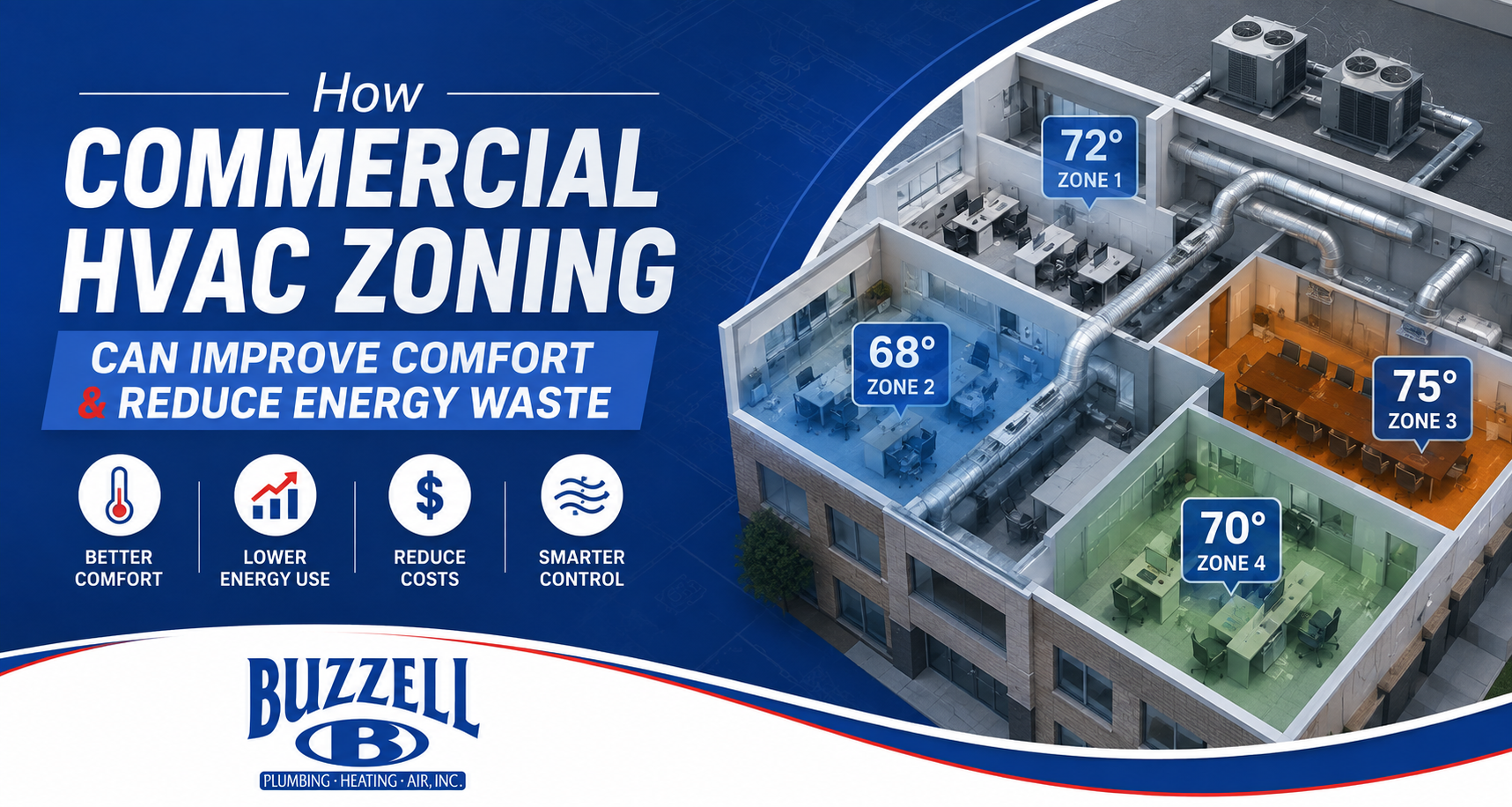
In some homes, installing a smart thermostat, adding zoning, or adjusting airflow can help create more balanced temperatures.
An Aging or Undersized Air Conditioner
Older HVAC systems gradually lose efficiency. If your air conditioner is nearing the end of its lifespan, it may struggle to cool your home evenly.
Similarly, if the original system wasn't properly sized for your home, it may never have been capable of maintaining consistent temperatures between floors.
An HVAC professional can evaluate whether your current equipment is appropriately sized and operating efficiently.
Simple Things You Can Check Yourself
Not every uneven cooling issue requires major repairs. Before calling a professional, there are several easy steps you can take.
Replace Your Air Filter
Dirty filters restrict airflow and reduce system performance. Most homeowners should replace their filter every one to three months, depending on usage, pets, and indoor air quality.
A clean filter helps improve airflow throughout your entire home.
Make Sure Vents Are Open
Walk through your home and confirm that supply vents are fully open and free from obstructions like furniture, rugs, or curtains.
Closing vents in unused rooms rarely saves energy and can actually create airflow problems elsewhere in the system.
Check Ceiling Fans
Ceiling fans don't lower the temperature, but they make rooms feel cooler by improving air circulation.
During the summer, set fans to rotate counterclockwise to push cool air downward.
Keep Heat Out
Closing blinds or curtains during the hottest part of the day can reduce solar heat gain, especially in upstairs bedrooms with large windows.
This simple step helps your air conditioner keep up during extreme summer temperatures.
When to Call an HVAC Professional
If you've tried the basic troubleshooting steps and your upstairs still won't cool properly, it's time for a professional inspection.
An experienced HVAC technician can:
- Measure airflow throughout the home
- Inspect ductwork for leaks
- Test refrigerant levels
- Evaluate blower performance
- Check insulation concerns
- Verify your system is properly sized
- Recommend solutions that address the root cause rather than temporary fixes
Because every home is different, solving uneven cooling often requires a customized approach rather than a one-size-fits-all repair.
Prevent Uneven Cooling with Regular Maintenance
Many airflow problems develop gradually over time. Dust buildup, worn components, dirty coils, and small duct leaks may not be noticeable at first, but they can significantly impact your system's performance.
Routine HVAC maintenance helps identify these issues before they become major problems.
Regular maintenance appointments typically include:
- Cleaning critical components
- Checking refrigerant levels
- Inspecting electrical connections
- Testing airflow
- Examining the blower assembly
- Replacing or recommending air filters
- Identifying potential repairs before they lead to breakdowns
Keeping your system maintained not only improves comfort but can also help extend equipment life and improve energy efficiency.
Stay Comfortable Throughout Every Floor of Your Home
If your upstairs always feels warmer than the rest of your home, don't assume it's something you simply have to live with. Uneven cooling is often the result of airflow issues, ductwork problems, insulation deficiencies, or HVAC equipment that needs professional attention.
Addressing the underlying cause can improve comfort, reduce energy costs, and help your air conditioner operate more efficiently throughout Georgia's hottest months.
If you're tired of battling hot upstairs rooms, the experienced team at Buzzell Plumbing, Heating & Air, Inc. is here to help. Whether you need an HVAC inspection, air conditioning repair, ductwork evaluation, or routine maintenance, we'll identify the source of the problem and recommend the right solution to keep your entire home comfortable year-round.