How Commercial HVAC Retrofits Can Delay Costly Equipment Replacement
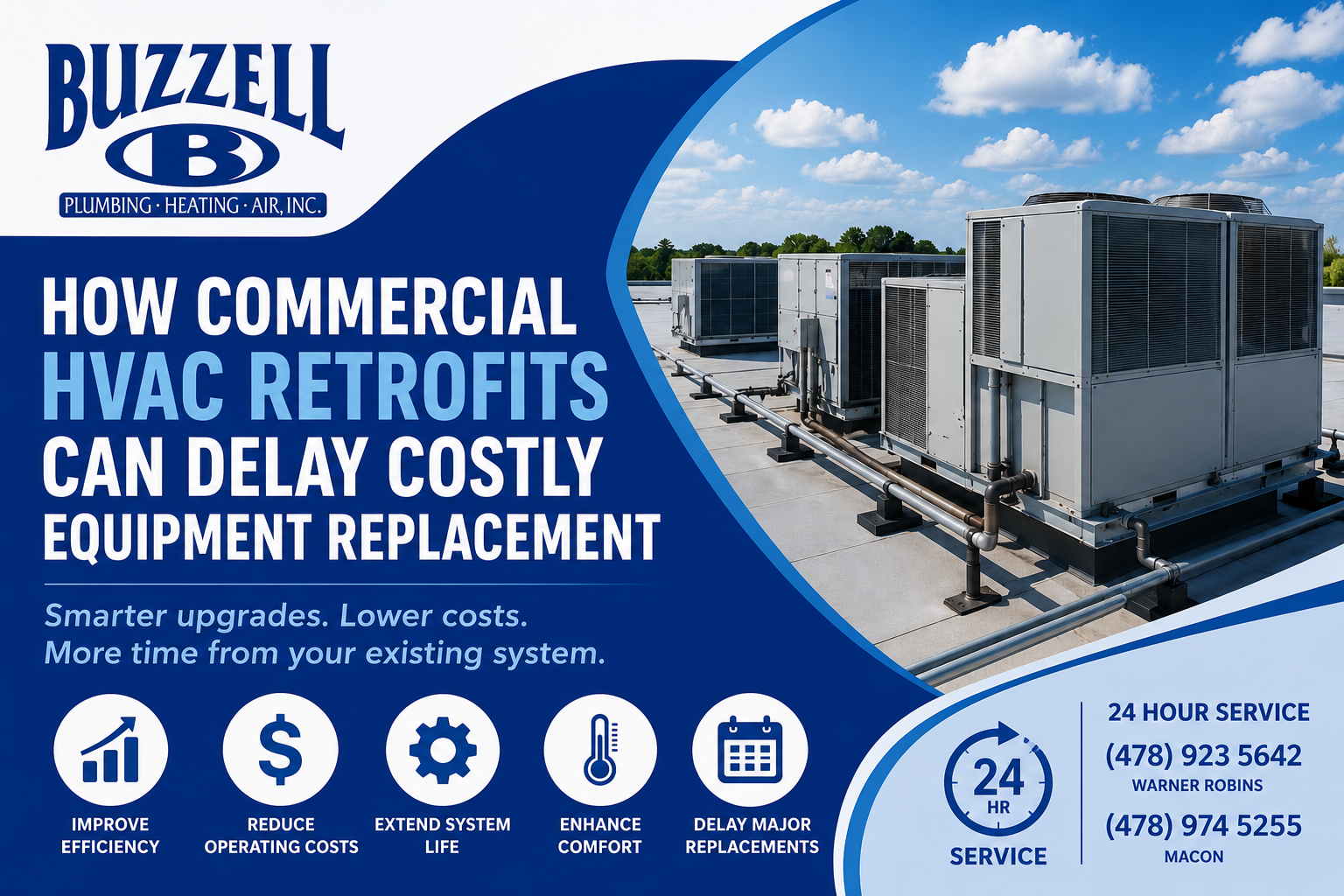
How Commercial HVAC Retrofits Can Delay Costly Equipment Replacement
For many business owners and facility managers, replacing a commercial HVAC system can feel inevitable once equipment begins showing signs of age. Rising utility bills, more frequent repairs, and inconsistent comfort often lead to the assumption that a full replacement is the only solution.
In reality, that's not always the case.
A commercial HVAC retrofit can improve system performance, reduce operating costs, and extend the life of existing equipment without the expense of a complete replacement. By upgrading key components instead of replacing the entire system, businesses can improve efficiency while postponing major capital expenditures.
If your building's HVAC system is aging but still structurally sound, a retrofit may provide the best balance between performance, cost, and long-term value.
What Is a Commercial HVAC Retrofit?
A commercial HVAC retrofit involves upgrading specific components of an existing heating and cooling system rather than replacing the entire unit. The goal is to improve efficiency, reliability, and performance while making the most of equipment that's still capable of delivering dependable service.
Retrofits can include improvements such as:
- Modern digital thermostats and building controls
- Variable frequency drives (VFDs) for fans and pumps
- High-efficiency motors
- Economizer repairs or upgrades
- Airflow balancing and duct modifications
- Energy-efficient compressors or blower components
- Updated sensors and control systems
Because every commercial building operates differently, retrofit recommendations should be based on the building's size, occupancy, operating schedule, and the condition of the existing equipment.
Signs Your HVAC System May Be a Good Candidate for a Retrofit
Not every aging HVAC system needs immediate replacement. In many cases, a retrofit can address performance issues while adding years of reliable operation.
Your building may benefit from a retrofit if you notice:
1. Rising Energy Bills
If utility costs continue increasing without significant changes in building usage, your HVAC system may be operating inefficiently. Upgrading key components can help reduce unnecessary energy consumption.
2. Frequent Minor Repairs
Replacing belts, motors, sensors, or electrical components every few months can become expensive. While these repairs may not justify replacing the entire system, they often indicate that targeted upgrades could improve reliability.
3. Uneven Heating or Cooling
Hot and cold spots throughout a building may result from outdated controls, airflow issues, or aging components rather than complete equipment failure.
4. Occupant Comfort Complaints
Employees, customers, and tenants quickly notice when temperatures fluctuate or humidity becomes uncomfortable. Retrofitting controls or improving airflow can often resolve these issues.
5. Aging Equipment That Still Has Structural Integrity
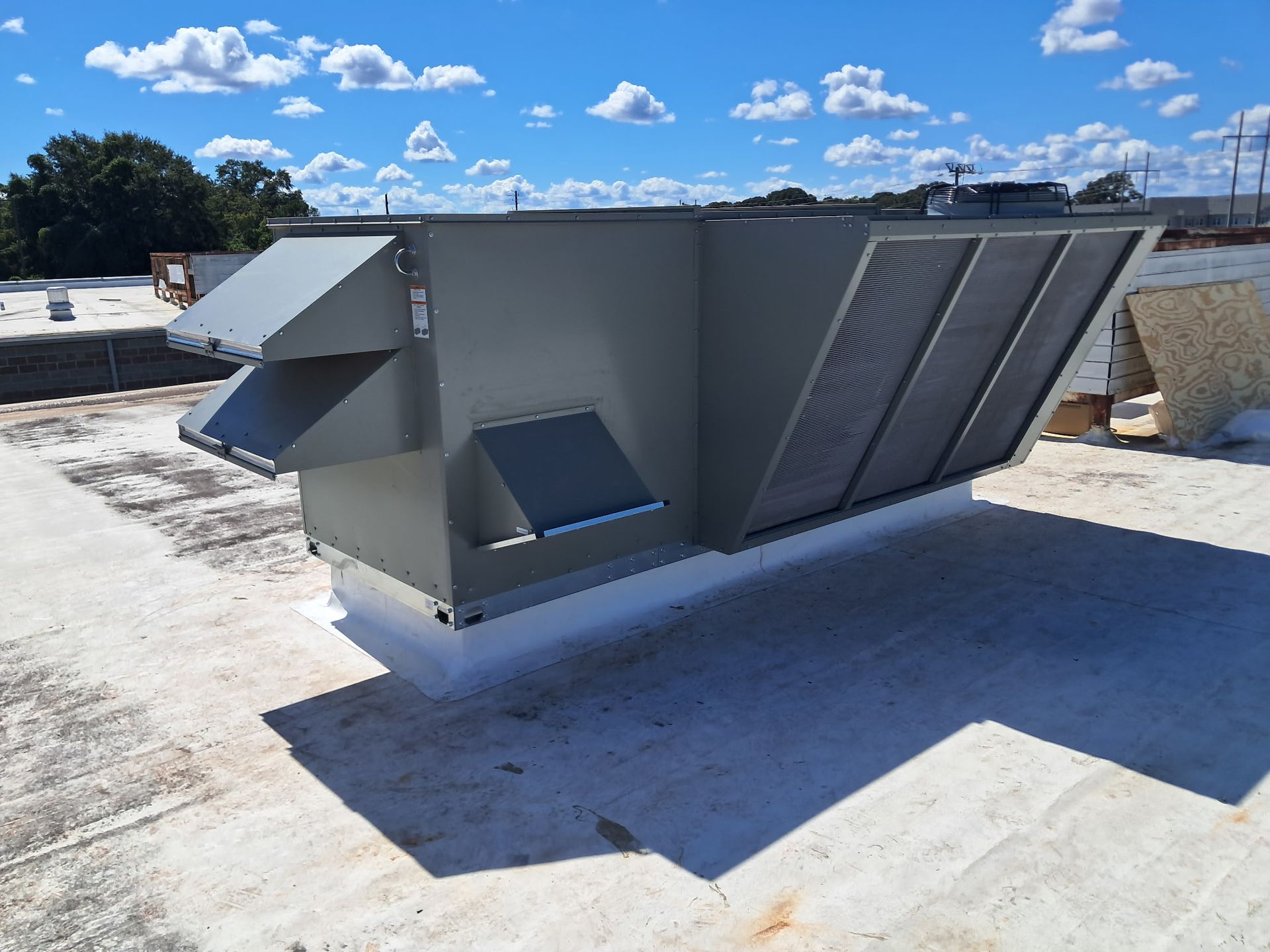
Many rooftop units and commercial HVAC systems are built to last for years when properly maintained. If the cabinet, heat exchangers, and major structural components remain in good condition, upgrading internal components may be more cost-effective than replacing everything.
Retrofit vs. Full Replacement: Which Makes More Sense?
One of the biggest questions facility managers face is whether to retrofit or replace.
A retrofit is often the better option when:
- The equipment is still in generally good condition.
- Repairs are becoming more frequent but haven't become excessive.
- The building owner wants to improve efficiency without a major capital investment.
- Replacement isn't currently in the annual facilities budget.
- Existing equipment can still meet heating and cooling demands with targeted improvements.
A full replacement may be the smarter investment if:
- Equipment has reached the end of its expected service life.
- Major components such as compressors or heat exchangers have failed.
- Repair costs continue escalating year after year.
- Replacement parts have become difficult to source.
- The existing system can no longer meet the building's heating and cooling requirements.
An experienced commercial HVAC contractor can evaluate your equipment and help determine which approach provides the greatest long-term value.
Common HVAC Retrofits That Deliver Strong Returns
Not every retrofit requires extensive construction or prolonged downtime. Many upgrades can be completed with minimal disruption to daily operations while providing measurable improvements.
Building Automation and Smart Controls
Older thermostats often lack the scheduling, monitoring, and optimization features available today. Modern control systems allow businesses to automatically adjust temperatures based on occupancy, operating hours, and seasonal conditions, helping reduce unnecessary energy use.
Variable Frequency Drives (VFDs)
VFDs allow fans and pumps to operate only at the speed needed instead of running at full capacity continuously. This reduces energy consumption, minimizes equipment wear, and improves overall system performance.
Airflow Improvements
Poor airflow can force HVAC systems to work harder than necessary. Adjusting ductwork, balancing air distribution, or replacing worn dampers can significantly improve comfort throughout the building.
High-Efficiency Motors
Replacing older motors with newer high-efficiency models reduces electrical consumption while improving reliability and performance.
Sensor and Control Upgrades
Faulty or outdated sensors often cause HVAC systems to cycle improperly or operate longer than necessary. Updating these components improves system accuracy and efficiency.
How Retrofits Help Reduce Downtime
Unexpected HVAC failures can disrupt daily operations, create uncomfortable work environments, and even force temporary business closures in extreme weather.
Proactive retrofits reduce the likelihood of emergency breakdowns by replacing aging components before they fail.
For businesses such as offices, medical facilities, retail stores, manufacturing plants, and warehouses, minimizing downtime is often just as valuable as lowering utility costs.
Instead of reacting to emergencies, facility managers can schedule upgrades during planned maintenance windows, reducing operational disruptions and avoiding unexpected repair expenses.
Better Comfort Leads to Better Business
Commercial HVAC systems do more than regulate temperature—they help create environments where employees can work productively and customers feel comfortable.
Poor temperature control can lead to:
- Employee discomfort and reduced productivity
- Customer dissatisfaction
- Inconsistent humidity levels
- Poor indoor air quality
- Equipment overheating in technology or server rooms
Retrofitting an HVAC system helps improve comfort throughout the building while maintaining more consistent temperatures from one space to another.
Plan Ahead Before Equipment Fails
One of the biggest advantages of retrofitting is that it gives businesses more control over long-term budgeting.
Rather than waiting for an emergency replacement, building owners can make strategic upgrades over time while preparing financially for eventual system replacement years down the road.
A commercial HVAC partner can help develop a long-term equipment strategy by evaluating:
- Current equipment condition
- Remaining expected service life
- Energy performance
- Repair history
- Future building expansion plans
- Annual maintenance requirements
This proactive approach allows businesses to make informed decisions instead of costly emergency purchases.
Partner with Buzzell Plumbing, Heating & Air for Commercial HVAC Solutions
Every commercial property has unique heating and cooling demands, which is why retrofit recommendations should never follow a one-size-fits-all approach.
At Buzzell Plumbing, Heating & Air, our commercial HVAC professionals help businesses evaluate existing equipment, identify opportunities for improved efficiency, and recommend solutions that align with operational goals and budgets. Whether your system needs targeted upgrades, ongoing preventive maintenance, emergency repairs, or complete replacement, our team provides dependable commercial HVAC services designed to keep your building operating efficiently year-round.
If your commercial HVAC system is showing its age but isn't quite ready for retirement, a professional evaluation can help determine whether a retrofit is the right investment. Making strategic improvements today may extend the life of your equipment, improve comfort throughout your facility, and help delay the cost of a full system replacement.