How Building Occupancy Changes Affect Your Commercial HVAC System
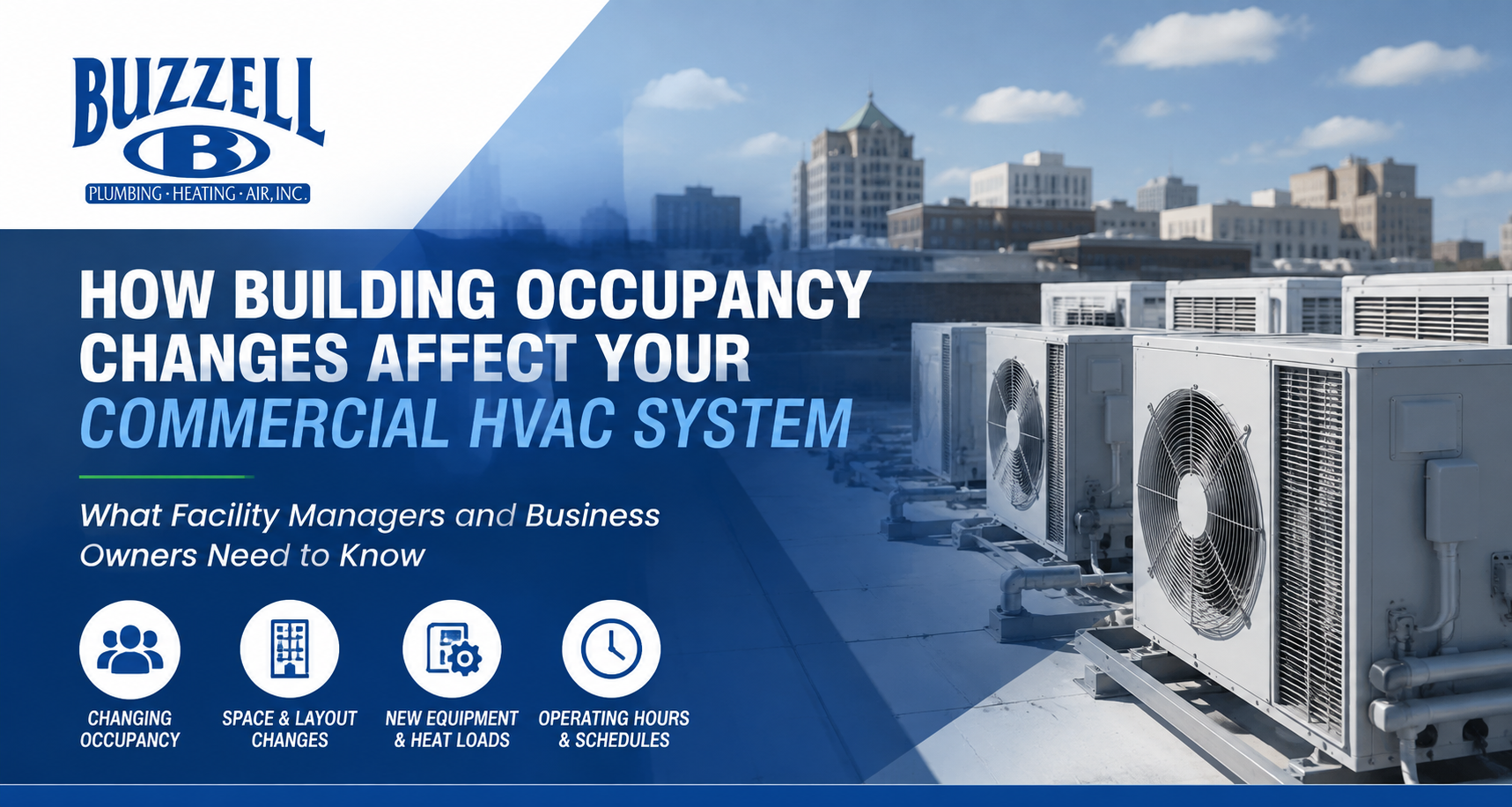
Commercial buildings rarely stay exactly the same. Businesses grow, employees move into new areas, rooms are repurposed, operating hours change, and new equipment is added. Even relatively small changes to how a building is used can affect the demands placed on its heating, cooling, and ventilation systems.
Your commercial HVAC system was designed around specific conditions, including building size, occupancy levels, equipment loads, operating schedules, and the purpose of each space. When those conditions change, the HVAC system may no longer perform as efficiently or effectively as it once did.
Understanding how occupancy and building use affect HVAC performance can help facility managers and business owners identify potential problems before they lead to uncomfortable spaces, rising energy costs, or premature equipment wear.
Why Occupancy Matters to Commercial HVAC
Every person inside a commercial building contributes heat and moisture to the indoor environment. Computers, lighting, appliances, machinery, and other equipment add additional heat.
An HVAC system must account for these factors when maintaining indoor temperatures and ventilation.
For example, an office originally designed for 20 employees may have very different HVAC requirements if the same space eventually accommodates 40 employees. The system now has to manage additional body heat, equipment, and ventilation requirements without any change in the building's square footage.
Changes in occupancy can be especially important in facilities such as offices, retail stores, restaurants, healthcare facilities, nursing homes, schools, and other buildings where the number of occupants can vary considerably throughout the day.
Building Renovations Can Change Airflow
Adding walls, offices, conference rooms, storage areas, or other interior spaces can significantly change airflow throughout a commercial building.
Existing supply and return vents were positioned based on the building's original layout. When walls are added or rooms are reconfigured, those vents may no longer distribute conditioned air effectively.
A newly constructed office, for example, might have inadequate airflow because the original HVAC design treated that area as part of a larger open space. Other areas may receive more conditioned air than they need.
These changes can result in hot and cold spots, poor air circulation, uncomfortable employees or customers, and longer HVAC run times.
Whenever a commercial facility undergoes a significant renovation, the HVAC system should be evaluated as part of the project.
Adding Employees Increases HVAC Demand
Business growth is usually a positive development, but a growing workforce can create additional HVAC demands.
More employees typically mean more computers, monitors, lighting, printers, and other equipment operating throughout the building. All of these items generate heat.
A larger workforce can also increase ventilation requirements. Commercial HVAC systems help introduce outdoor air and circulate indoor air throughout occupied spaces. If occupancy increases substantially, the building's ventilation strategy may need to be reviewed.
Some signs that increased occupancy is affecting HVAC performance include:
- Rooms becoming warmer during peak business hours
- Certain areas taking longer to reach the desired temperature
- HVAC equipment running more frequently
- Increasing energy costs
- Stuffy or uncomfortable indoor conditions
- Frequent employee complaints about temperature
These symptoms do not necessarily mean the HVAC equipment needs to be replaced. Airflow adjustments, controls, zoning, maintenance, or other improvements may help the system better accommodate the building's current use.
New Equipment Can Affect Heating and Cooling Loads
People aren't the only source of additional heat inside a commercial facility.
Businesses frequently add equipment without considering how it may affect HVAC performance. Servers, commercial kitchen equipment, manufacturing machinery, medical equipment, refrigerators, computers, and other devices can generate significant amounts of heat.
This is particularly important when equipment is concentrated in one area.
A room that previously functioned as storage might later become a server room or workspace filled with electronics. The existing HVAC design may not have been intended to handle the new heat load.
Facilities planning equipment upgrades or major changes in operations should consider HVAC requirements before installation rather than waiting until comfort or temperature problems appear.
Longer Operating Hours Change HVAC Requirements
Changes to your business schedule can also affect HVAC performance and energy consumption.
A system programmed around an eight-hour workday may need to operate considerably longer if a facility expands into evening shifts, weekend operations, or 24-hour service.
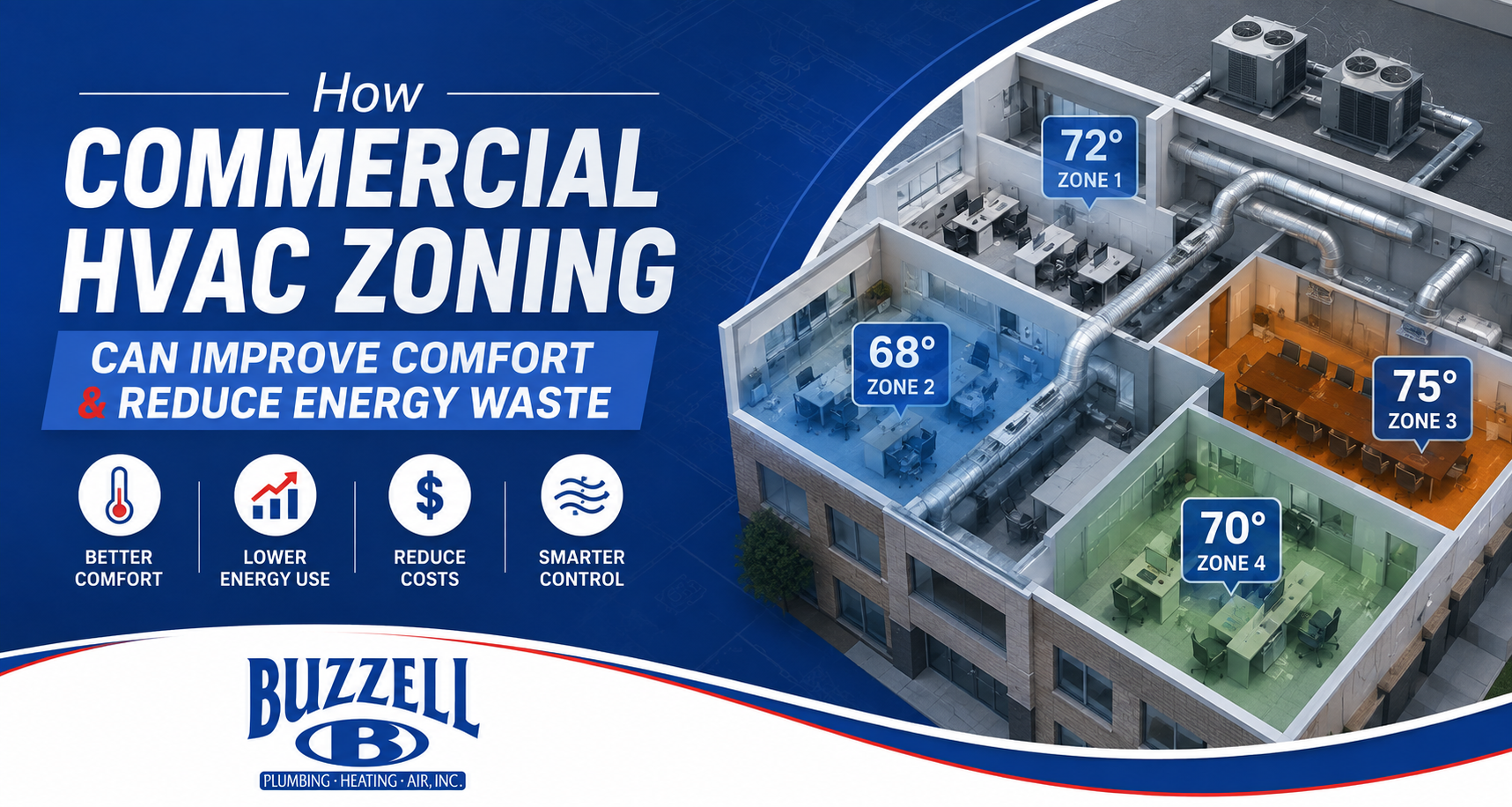
Simply extending the existing HVAC schedule may not always be the most efficient approach. Building automation, programmable controls, zoning, and scheduling strategies can help match HVAC operation to actual occupancy.
For example, areas that are empty during evening hours may not require the same level of heating or cooling as occupied portions of the facility.
Reviewing HVAC controls after operating schedules change can help businesses maintain comfort without conditioning unused areas unnecessarily.
Watch for Hot and Cold Spots
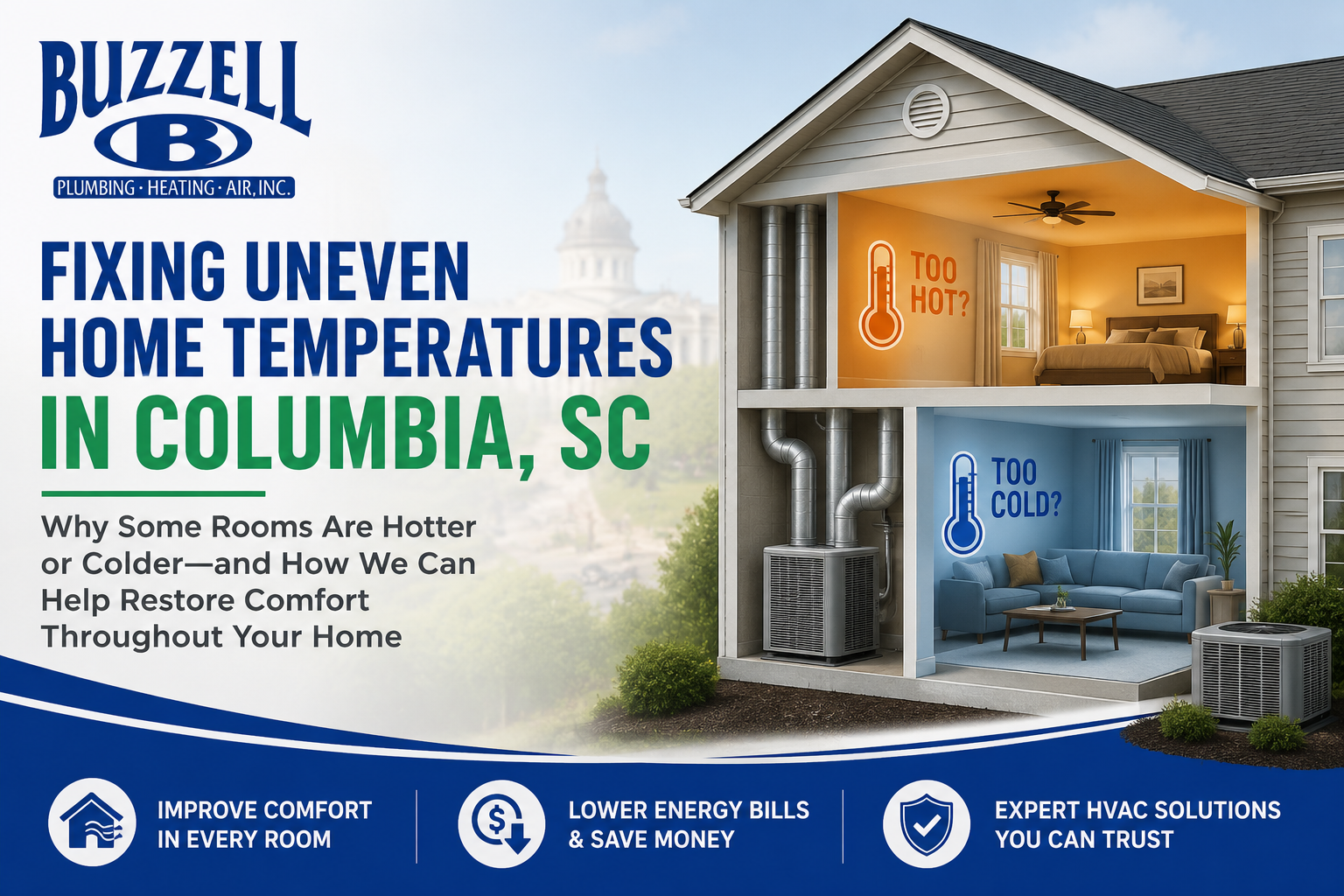
Uneven temperatures are one of the most noticeable signs that building use and HVAC performance may no longer be aligned.
Hot and cold spots can develop because of airflow restrictions, layout changes, equipment loads, ductwork issues, thermostat placement, zoning problems, or changes in occupancy.
Instead of continually adjusting the thermostat to compensate, facility managers should investigate why the temperature differences are occurring.
Lowering the thermostat because one room feels warm could cause other areas to become excessively cold while forcing the HVAC equipment to work harder.
A professional commercial HVAC evaluation can help determine whether airflow adjustments, duct modifications, controls, equipment changes, or other solutions are appropriate.
Increased Energy Bills Can Signal a Problem
Energy costs naturally fluctuate throughout the year, but unexplained increases can indicate that your HVAC system is working harder than necessary.
If occupancy or building use has changed, the system may run longer to maintain the desired temperature. Poor airflow or inefficient scheduling can increase energy consumption even further.
Comparing current utility bills with historical energy usage can help facility managers identify unusual patterns.
Preventive HVAC maintenance is also important. Dirty filters, worn components, blocked coils, control problems, and other maintenance issues can compound the additional demand created by occupancy changes.
Keeping equipment properly maintained allows the system to operate as efficiently as possible under current building conditions.
When Should Your Commercial HVAC System Be Evaluated?
You don't have to wait for an HVAC failure before evaluating how well your system matches your facility's needs.
Consider scheduling a professional assessment after significant changes such as:
- Major renovations or layout changes
- Significant increases or decreases in employees
- Business expansions
- New machinery or heat-producing equipment
- Changes in operating hours
- Converting rooms to different uses
- Persistent hot or cold spots
- Unexpected increases in energy consumption
An HVAC professional can evaluate equipment performance, airflow, controls, ductwork, ventilation, and overall system capacity to determine whether improvements are needed.
In some cases, relatively minor adjustments may solve the problem. Other facilities may benefit from equipment upgrades, zoning modifications, control improvements, or system replacement.
Plan HVAC Changes Alongside Business Changes
HVAC planning should be part of the conversation whenever a commercial facility changes.
Including your HVAC contractor early in renovation, expansion, or equipment installation projects can help identify potential heating, cooling, and ventilation concerns before work is completed. This can reduce the likelihood of discovering afterward that a newly renovated area isn't receiving adequate airflow or that existing equipment cannot efficiently handle the additional load.
Planning ahead can also make it easier to identify solutions that support future growth rather than simply addressing today's immediate needs.
Keep Your Commercial HVAC System Ready for Change
Your building may look similar from the outside, but what happens inside can change considerably over time. More employees, new equipment, renovated spaces, and longer operating hours can all affect HVAC performance.
Regular maintenance and professional system evaluations can help ensure your HVAC equipment continues to meet the needs of your facility as your business evolves.
Buzzell Plumbing, Heating & Air has served businesses throughout Middle Georgia since 1974. Our experienced team provides commercial HVAC installation, repair, maintenance, indoor air quality solutions, and other services designed to help businesses maintain reliable indoor comfort.
If your facility has recently expanded, renovated, or changed how its space is used, contact Buzzell Plumbing, Heating & Air to schedule a commercial HVAC evaluation and make sure your system is prepared to support your building's current needs.