What Is the Best Central Heating and Air Conditioning System for a Commercial Building?
Choosing a new heating and cooling system for a commercial property is a major decision. The equipment you select affects much more than indoor temperature. It can influence energy costs, employee and customer comfort, maintenance expenses, indoor air quality, and even the amount of disruption your business experiences when equipment needs service.
That makes the question, “what is the best central heating and air conditioning system?” more complicated than simply choosing a particular brand or type of equipment.
For commercial buildings, the best HVAC system is generally the one that is properly sized and designed for the property, provides reliable heating and cooling, operates efficiently, and can meet the building’s demands without creating unnecessary operating costs.
Understanding your options and the factors that influence HVAC performance can help you make a better long-term investment.
What Is the Best Central Heating and Air Conditioning System?
There is no single central HVAC system that is best for every commercial building.
A small professional office has very different heating and cooling requirements than a restaurant, retail store, warehouse, medical office, or large multi-story facility. Even businesses with similar square footage can require different solutions depending on occupancy, insulation, windows, operating hours, equipment inside the building, and how individual spaces are used.
That is why choosing commercial HVAC equipment should start with an evaluation of the property rather than a specific model.
An HVAC professional can determine the heating and cooling requirements of the building and recommend equipment that provides the right combination of capacity, efficiency, reliability, and control.
Common Types of Commercial Heating and Cooling Systems
There are several types of HVAC systems that may work well for commercial properties. The right choice depends on the building and its individual needs.
Packaged Rooftop Systems
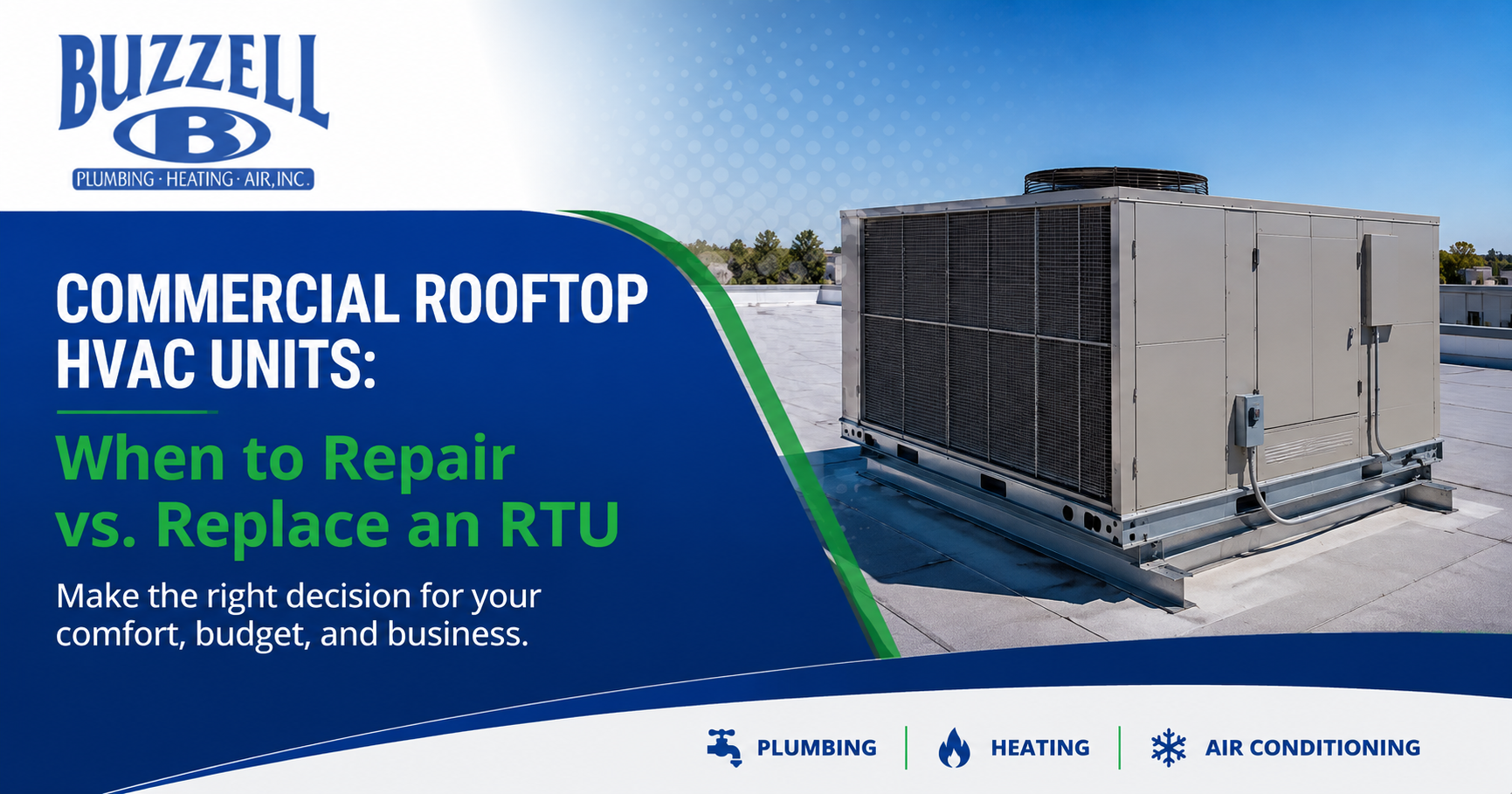
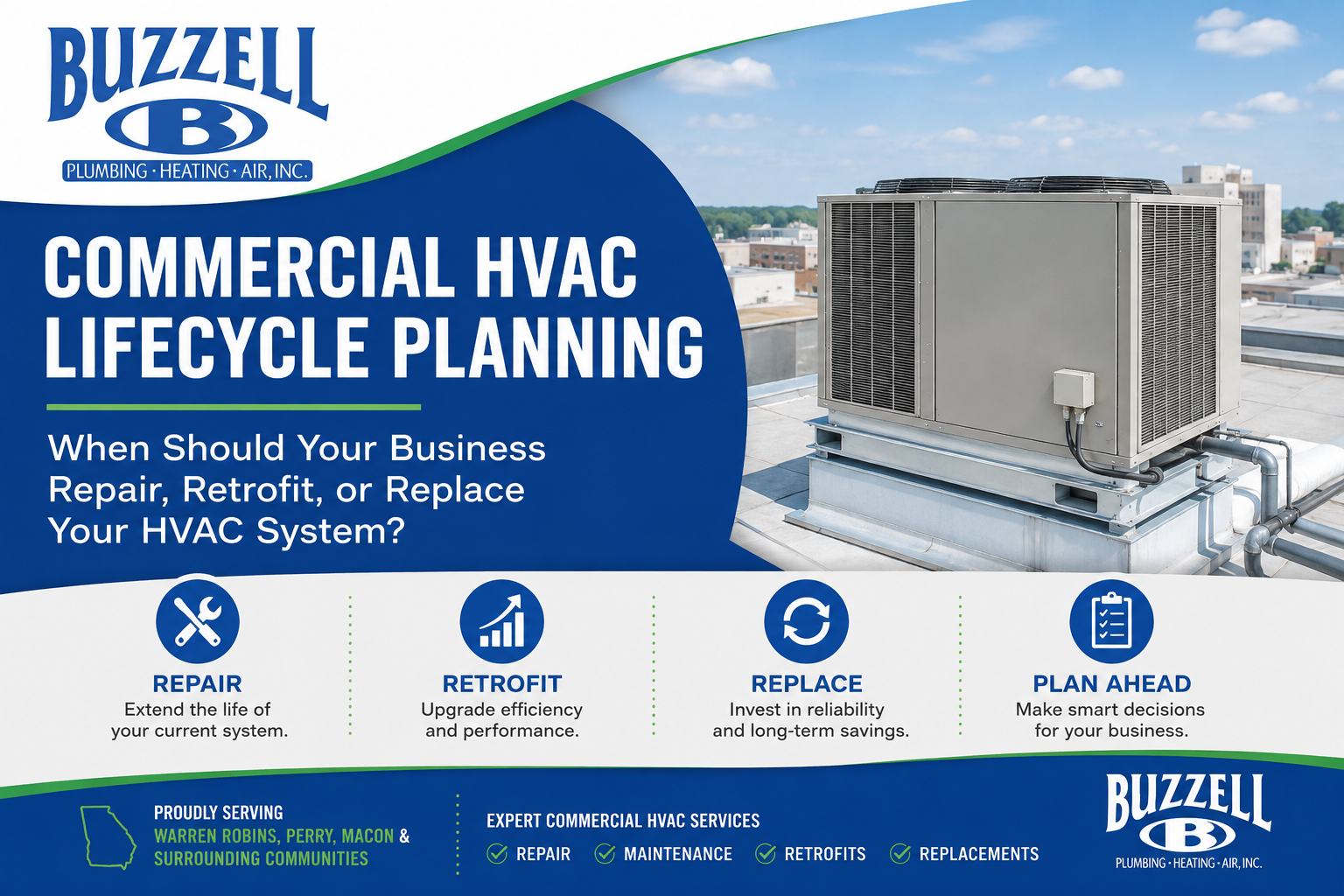
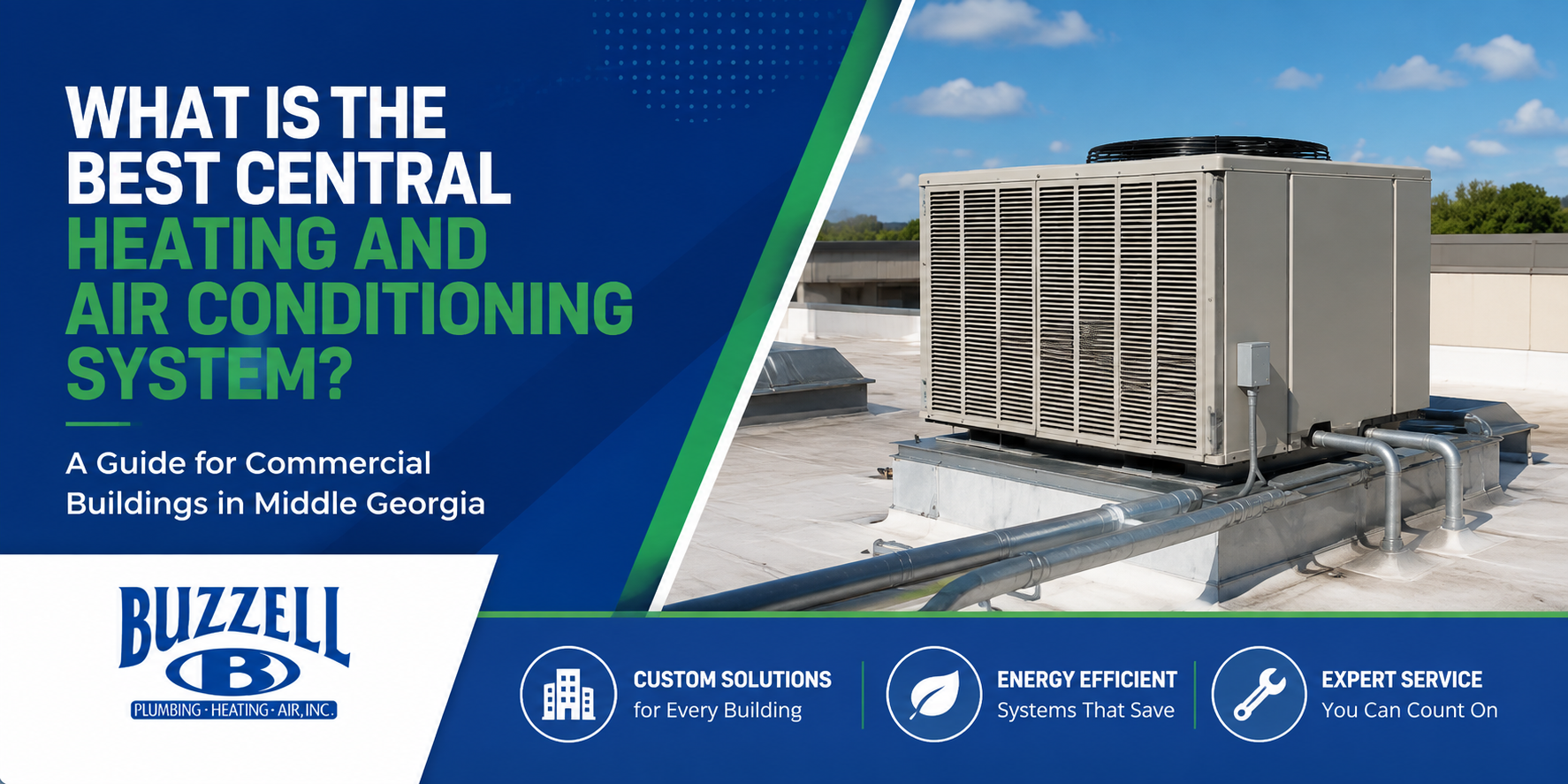
Packaged rooftop units are commonly used in commercial buildings because the primary HVAC components can be housed together in equipment installed on the roof.
This arrangement can save valuable indoor space and provide convenient access for maintenance. Rooftop systems can also be configured to serve different portions of a building, making them useful for many offices, retail properties, restaurants, and other commercial facilities.
Split HVAC Systems
Split systems separate indoor and outdoor HVAC components. They can be a practical solution for smaller commercial buildings or properties where different areas require separate temperature control.
Depending on the building, multiple systems may be installed to create individual comfort zones.
Heat Pump Systems
Heat pumps provide both heating and cooling from a single system. Instead of generating heat in the same way as a traditional furnace, a heat pump transfers heat between indoor and outdoor environments.
Modern commercial heat pump systems can provide an efficient option in climates with relatively mild winters, making them worth considering for many Middle Georgia businesses.
Variable Refrigerant Flow Systems
Variable refrigerant flow, or VRF, systems allow heating and cooling output to adjust based on the needs of different areas within a building.
The ability to create multiple zones can make these systems attractive for commercial properties where occupancy and temperature requirements vary throughout the day.
Consider the Size and Layout of Your Building
System sizing is one of the most important parts of choosing commercial HVAC equipment.
Buying a larger HVAC system does not automatically provide better comfort. Equipment should be sized according to the actual heating and cooling load of the property.
An oversized system may cycle on and off frequently, which can affect efficiency, humidity management, and equipment wear. An undersized system may run excessively while struggling to maintain comfortable temperatures.
Commercial HVAC sizing can consider factors such as square footage, ceiling height, insulation, windows, orientation, occupancy, lighting, heat-producing equipment, and the way different portions of the building are used.
The layout matters as well. A property with conference rooms, private offices, open workspaces, server rooms, and customer areas may benefit from greater zoning capabilities than a large open warehouse.
Look Beyond the Initial Purchase Price
Upfront equipment cost is important, but it should not be the only factor considered when determining the best central heating and air conditioning system for your business.
Commercial HVAC equipment can operate for thousands of hours over its service life. Energy consumption, maintenance requirements, potential repairs, and expected equipment longevity can significantly affect the total cost of ownership.
A less expensive system that consumes considerably more energy or requires frequent repairs may ultimately cost more than a higher-quality, more efficient option.
Businesses should consider both the initial investment and anticipated long-term operating expenses when comparing systems.
Prioritize Energy Efficiency
Heating and cooling can represent a substantial portion of a commercial building’s energy consumption, especially during the hot Georgia summer.
High-efficiency HVAC equipment can help reduce unnecessary energy use while maintaining comfortable indoor conditions. Newer systems may also incorporate variable-speed technology, advanced controls, improved compressors, and other features that allow equipment to better match output to the building’s actual demand.
The building itself also plays a role in efficiency. Ductwork condition, insulation, air leaks, thermostat settings, and maintenance practices can all influence HVAC performance.
Installing efficient equipment is most effective when the entire HVAC system is operating as intended.
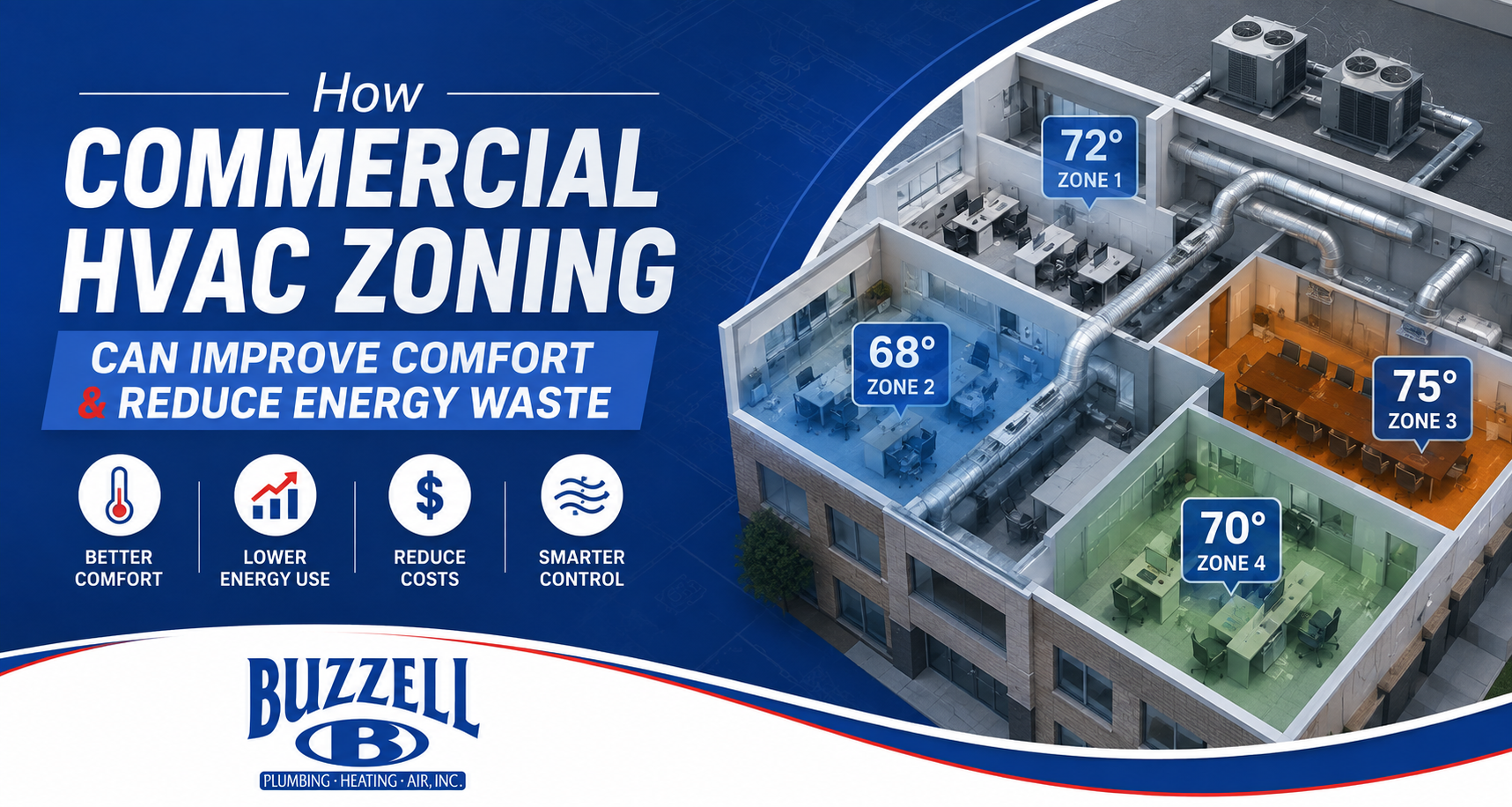
Think About Zoning and Temperature Control
Not every part of a commercial building requires the same amount of heating or cooling.
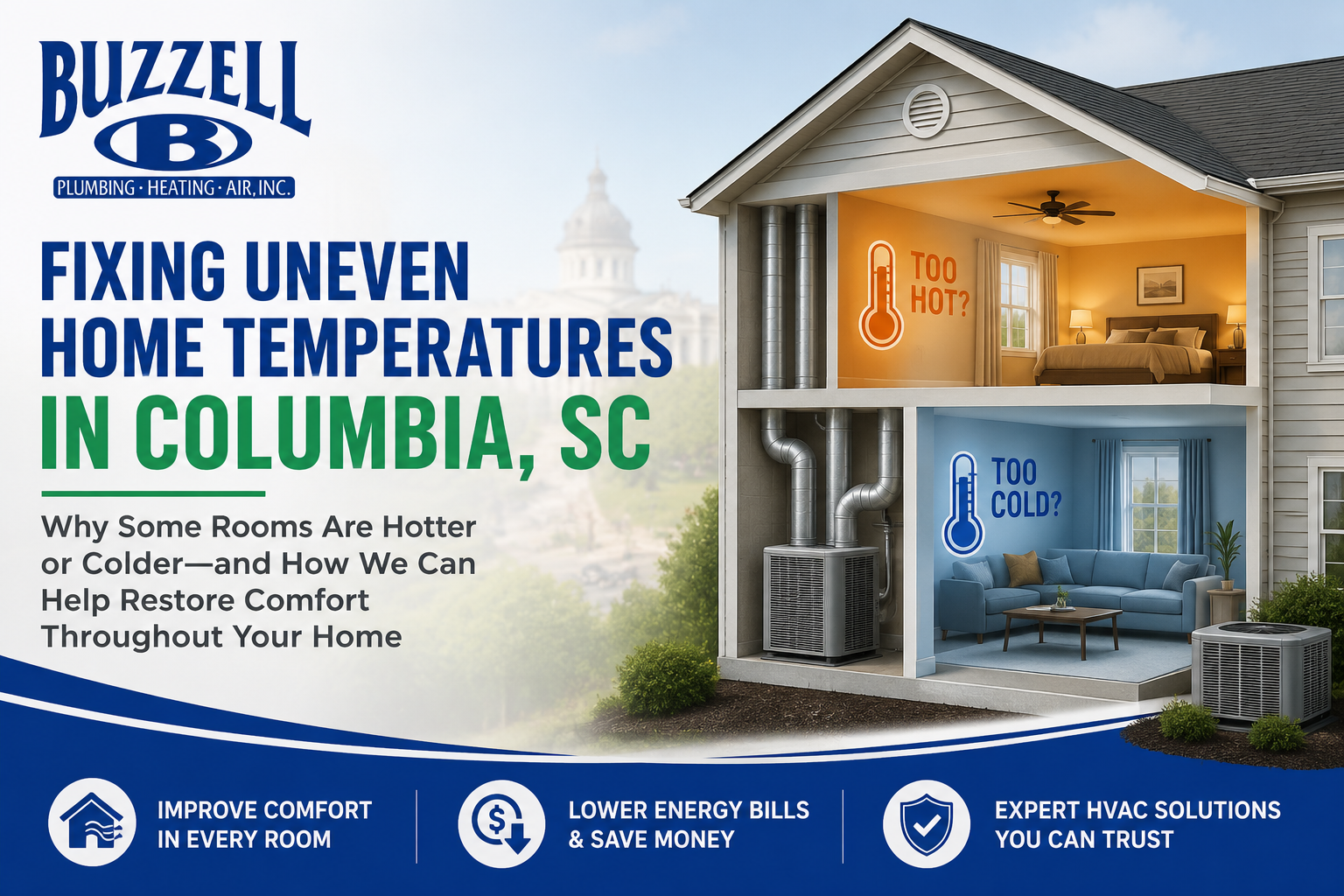
A packed conference room can become warm quickly, while an unused storage room may require very little conditioning. Areas with large windows may receive significant solar heat, while interior offices experience entirely different conditions.
Zoning allows businesses to manage these differences more effectively.
Depending on the HVAC design, individual areas can have separate thermostats or controls. This can improve occupant comfort while reducing the need to heat or cool spaces unnecessarily.
For buildings with varying occupancy levels or multiple types of workspaces, zoning capabilities should be an important part of the HVAC selection process.
Don't Overlook Maintenance Requirements
Even the best commercial HVAC system needs ongoing maintenance.
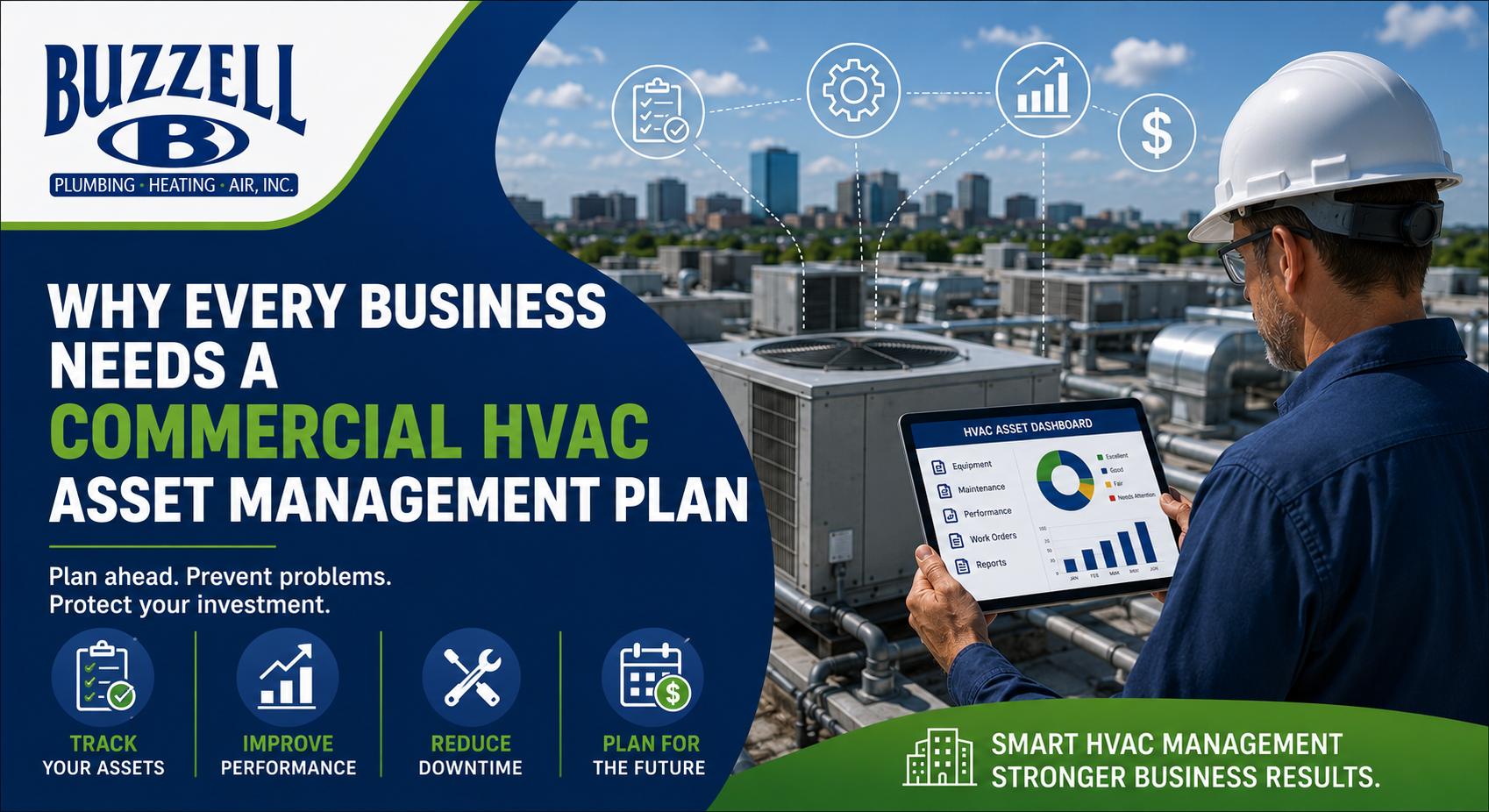
Filters need replacement, components need inspection, drains need to remain clear, electrical connections should be checked, and heating and cooling performance should be monitored over time.
Preventive maintenance can also identify developing problems before they become larger repairs or unexpected equipment failures.
When choosing a new system, consider how easily the equipment can be accessed and maintained, the availability of replacement components, and whether experienced technicians can service the equipment.
A reliable maintenance strategy should be part of the HVAC investment from the beginning.
Should You Replace or Continue Repairing Your Current HVAC System?
A new HVAC system is not always necessary simply because existing equipment needs a repair.
However, replacement may become worth considering when an aging system requires increasingly frequent service, struggles to maintain comfortable temperatures, uses excessive energy, or experiences major component failures.
Businesses should compare the expected repair cost with the age, condition, efficiency, and remaining useful life of the equipment.
An HVAC professional can evaluate the existing system and help determine whether repairing, upgrading, or replacing it makes the most financial sense.
Choosing the Right Commercial HVAC System in Middle Georgia
Middle Georgia's long, hot summers place significant demands on commercial air conditioning systems. Businesses need equipment capable of maintaining consistent temperatures while managing energy consumption and humidity throughout extended periods of operation.
Choosing the right system starts with understanding the building.
Buzzell Plumbing, Heating & Air provides commercial HVAC services for both existing facilities and new construction projects. Our team evaluates the needs of each property and develops customized solutions designed around efficient, reliable temperature control.
We provide commercial heating and air conditioning installation, repair, service, indoor air quality solutions, maintenance agreements, and HVAC support for new construction.
Instead of simply asking, “what is the best central heating and air conditioning system?”, ask which system is best for your specific building, operating needs, and long-term goals.
Buzzell Plumbing, Heating & Air can help you evaluate your options and choose a commercial HVAC solution built to keep your business comfortable and operating efficiently. Contact us today!