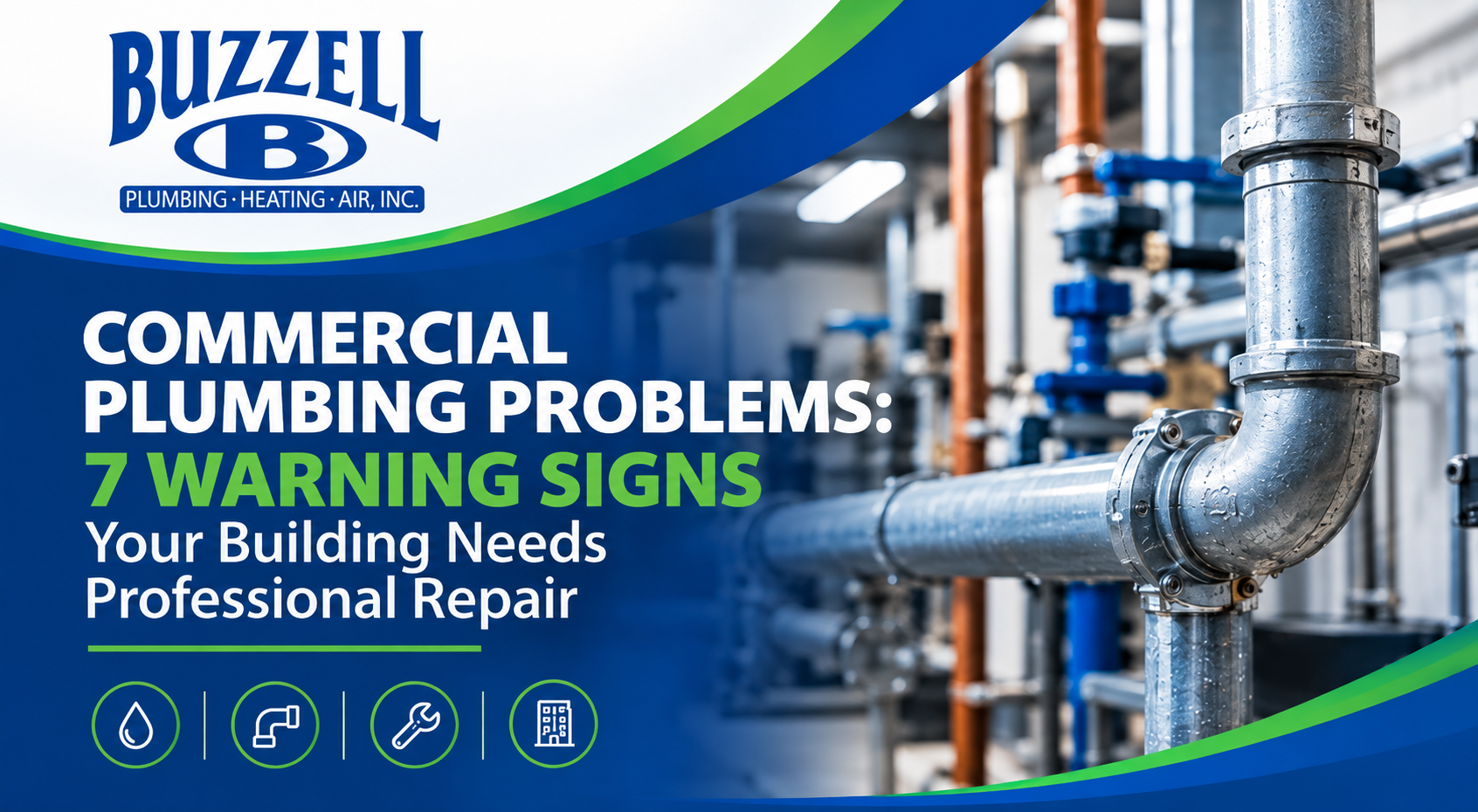
Commercial Plumbing Problems: 7 Warning Signs Your Building Needs Professional Repair
Commercial plumbing systems experience significant daily demands. From restrooms and breakrooms to kitchens and water heaters, businesses depend on reliable plumbing to maintain operations, support employees, and provide a comfortable environment for customers. When something goes wrong, even a relatively minor issue can lead to expensive repairs, water damage, or unexpected interruptions.
Unlike residential plumbing, commercial systems often serve more people, operate for longer hours, and support specialized equipment. This makes identifying potential problems early especially important for business owners and facility managers.
Understanding the warning signs of commercial plumbing problems can help you determine when professional attention is necessary. Here are seven indicators that your building may need commercial plumbing repair and why addressing them promptly can protect your property and operations.
Why Commercial Plumbing Problems Should Never Be Ignored
A leaking pipe or slow drain might seem like a manageable inconvenience, but commercial plumbing problems can quickly affect multiple areas of a building. Depending on the severity, businesses may experience restroom closures, equipment disruptions, property damage, or increased operating expenses.
Commercial plumbing systems also contain interconnected components. A blockage in a main drain line, for example, can affect several fixtures throughout a facility rather than a single sink or toilet.
Regular inspections and timely repairs help businesses identify developing problems before they require more extensive work. Recognizing the following warning signs is an important part of maintaining a dependable plumbing system.
7 Warning Signs Your Commercial Plumbing System Needs Repair
1. Recurring Drain Clogs and Slow Drainage
Occasional drainage problems can happen in any building, but repeated clogs often indicate an underlying issue.
Commercial kitchens, restrooms, and other high-use areas can experience buildup from grease, debris, soap residue, and other materials. Over time, these substances may restrict water flow and create recurring drainage problems.
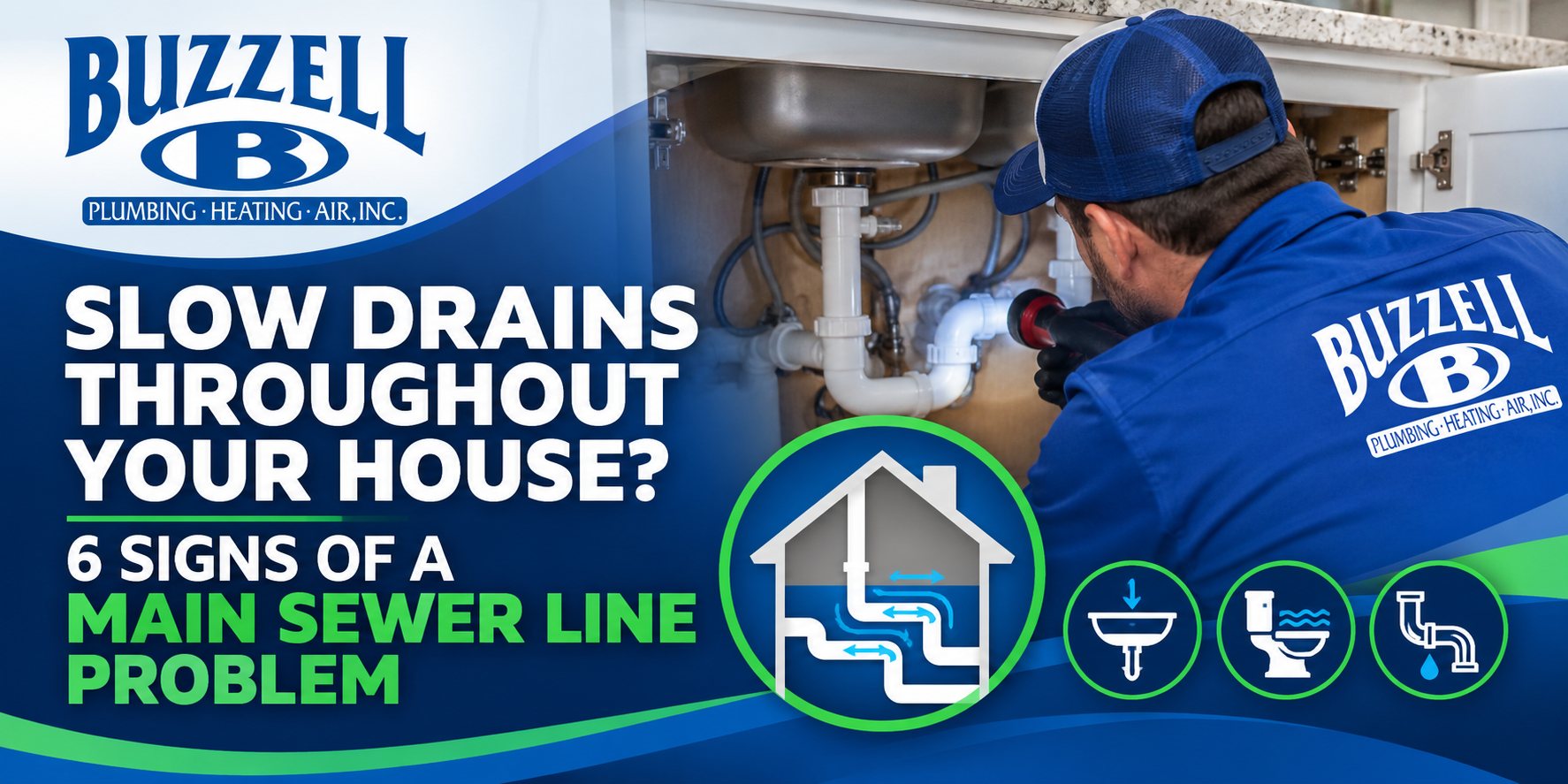
Warning signs include sinks that drain slowly, standing water around floor drains, frequent toilet backups, or multiple fixtures experiencing drainage issues simultaneously. Repeatedly clearing a blockage without addressing its cause may provide only temporary relief. Professional drain inspections can help identify restrictions, damaged piping, or other problems affecting the system.
2. Unexpected Increases in Water Bills
An unexplained increase in water consumption may indicate a hidden plumbing problem.
Leaking pipes, malfunctioning fixtures, and continuously running toilets can waste substantial amounts of water over time. In larger commercial buildings, these problems may go unnoticed because plumbing components are located behind walls, above ceilings, or in utility areas.
Business owners should compare water usage across several billing periods while accounting for changes in occupancy and operating hours. If consumption increases without an obvious explanation, a professional plumbing inspection can help identify potential leaks or inefficient fixtures.
Buzzell's commercial plumbing services include leak detection, pipe inspections, water pressure testing, and fixture evaluations to help businesses identify developing issues.
3. Inconsistent or Low Water Pressure
Reliable water pressure is essential for restrooms, kitchens, cleaning equipment, and other commercial operations. When pressure becomes inconsistent, employees may notice weak faucet flow, slow fixture operation, or reduced performance from water-dependent equipment.
Several issues can contribute to water pressure problems, including pipe corrosion, hidden leaks, partially closed valves, mineral buildup, and supply line restrictions. Pressure fluctuations affecting multiple fixtures may indicate a broader system issue that requires professional diagnosis.
Ignoring these changes can allow existing problems to worsen and interfere with equipment that depends on consistent water delivery.
4. Water Stains, Leaks, or Unexplained Moisture
Visible water damage is one of the clearest indicators that a commercial plumbing system needs attention.
Water stains on ceilings, damp drywall, unexplained puddles, or moisture around plumbing fixtures may indicate leaking supply lines, drain connections, or deteriorating components. Even small leaks can create significant problems when they remain undetected. Prolonged moisture exposure may damage flooring, walls, insulation, and other building materials.
Property managers should pay particular attention to mechanical rooms, restrooms, utility closets, and areas containing concealed plumbing.
If you notice unexplained moisture, scheduling professional leak detection can help identify the source before additional damage occurs.
5. Sewer Odors or Recurring Backups
Unpleasant sewer odors inside a commercial building should never be dismissed as a normal plumbing inconvenience. These odors may result from dry drain traps, blocked vent piping, damaged sewer lines, or other drainage system problems.
Recurring backups can indicate more serious restrictions within the building's drainage infrastructure.
Businesses may notice unpleasant smells near floor drains, wastewater backing up into fixtures, or gurgling sounds when nearby plumbing equipment operates. For additional information about drainage warning signs, explore Buzzell's plumbing blog for information about common plumbing problems and their potential causes.
Sewer backups can create sanitation concerns and interrupt building operations. Prompt professional evaluation is important, particularly when multiple fixtures are affected.
6. Unreliable Hot Water Supply
Commercial buildings frequently depend on hot water for cleaning, sanitation, food preparation, and employee facilities.
When a water heater struggles to maintain appropriate temperatures, businesses may experience inconsistent hot water, extended recovery times, or insufficient supply during periods of high demand.
Potential causes include malfunctioning heating components, sediment accumulation, thermostat problems, and circulation system issues.
Some buildings may also have water heating equipment that no longer meets their operational requirements.
Buzzell provides commercial plumbing repair for water heaters, including problems involving heating elements, thermostats, pressure relief valves, and recirculation systems.
Evaluating equipment performance can help determine whether repairs, maintenance, or replacement would provide the most practical long-term solution.
7. Aging Plumbing Fixtures and Frequent Repairs
Commercial plumbing fixtures experience considerable wear, particularly in buildings with high occupancy or extended operating hours.
Toilets that frequently run, faucets that leak, deteriorating valves, and repeatedly malfunctioning fixtures may indicate that individual components are approaching the end of their useful life.
Although repairs can extend equipment lifespan, frequent service calls may eventually become less economical than replacement.
Facility managers should consider fixture age, repair frequency, water efficiency, and overall condition when evaluating plumbing upgrades.
For businesses planning renovations or system improvements, Buzzell offers commercial plumbing installation, including replacement fixtures, water heaters, piping upgrades, and plumbing improvements for remodeled spaces.
How Commercial Plumbing Problems Affect Business Operations
The financial impact of plumbing problems often extends beyond the immediate repair.
A significant leak can damage building materials, merchandise, or equipment. Drainage failures may temporarily close restrooms or kitchens, while unreliable hot water can interfere with essential business activities.
Repeated plumbing problems can also increase maintenance expenses and create frustration for employees, customers, and tenants.
For restaurants, healthcare facilities, offices, and retail properties, dependable plumbing supports daily operations and helps maintain appropriate building conditions.
Addressing problems early gives businesses a better opportunity to schedule repairs before equipment failures cause major disruptions.
When Should You Call a Commercial Plumber?
Some plumbing concerns require immediate attention, while others should be evaluated before they develop into larger problems.
Active leaks, wastewater backups, widespread drainage failures, and complete hot water loss in facilities that depend on it generally warrant prompt professional service.
Other warning signs, such as gradually declining water pressure or recurring fixture problems, should also be investigated rather than repeatedly ignored. A qualified commercial plumber can inspect the affected components, identify potential causes, and recommend repairs appropriate for the building's plumbing system.
For facilities experiencing repeated problems, a comprehensive plumbing evaluation may reveal opportunities for improvements beyond the immediate repair.
How Preventive Plumbing Maintenance Helps Avoid Unexpected Repairs
Although not every plumbing failure can be prevented, routine maintenance can reduce the likelihood of unexpected problems.
Preventive plumbing maintenance may include inspecting supply lines, evaluating drain performance, checking water pressure, testing valves, examining fixtures, and servicing commercial water heaters.
These evaluations help identify worn components, developing leaks, and potential restrictions before they cause significant disruptions.
The appropriate maintenance frequency depends on building size, plumbing system age, occupancy, and operating demands. High-use facilities may require more frequent inspections than smaller commercial properties.
Buzzell offers commercial plumbing maintenance and service to help Middle Georgia businesses maintain reliable plumbing performance and plan necessary repairs.
Commercial Plumbing Repair in Warner Robins and Macon, GA
Commercial plumbing problems can affect productivity, property conditions, and operating costs when they go unresolved. Recognizing warning signs such as recurring clogs, unexplained water consumption, pressure fluctuations, leaks, and unreliable hot water allows businesses to take action before minor issues become major disruptions.
Since 1974, Buzzell Plumbing, Heating & Air has served businesses throughout Middle Georgia with dependable plumbing solutions.
Whether your facility needs leak detection, drain repairs, water heater service, or preventive maintenance, Buzzell's experienced team can help identify problems and restore reliable system operation.
Keep your business running with dependable commercial plumbing services. Contact Buzzell Plumbing, Heating & Air to schedule commercial plumbing repair in Warner Robins, Macon, or the surrounding Middle Georgia area.