Why Is My Heat Pump Blowing Cold Air? Common Causes for Georgia Homeowners
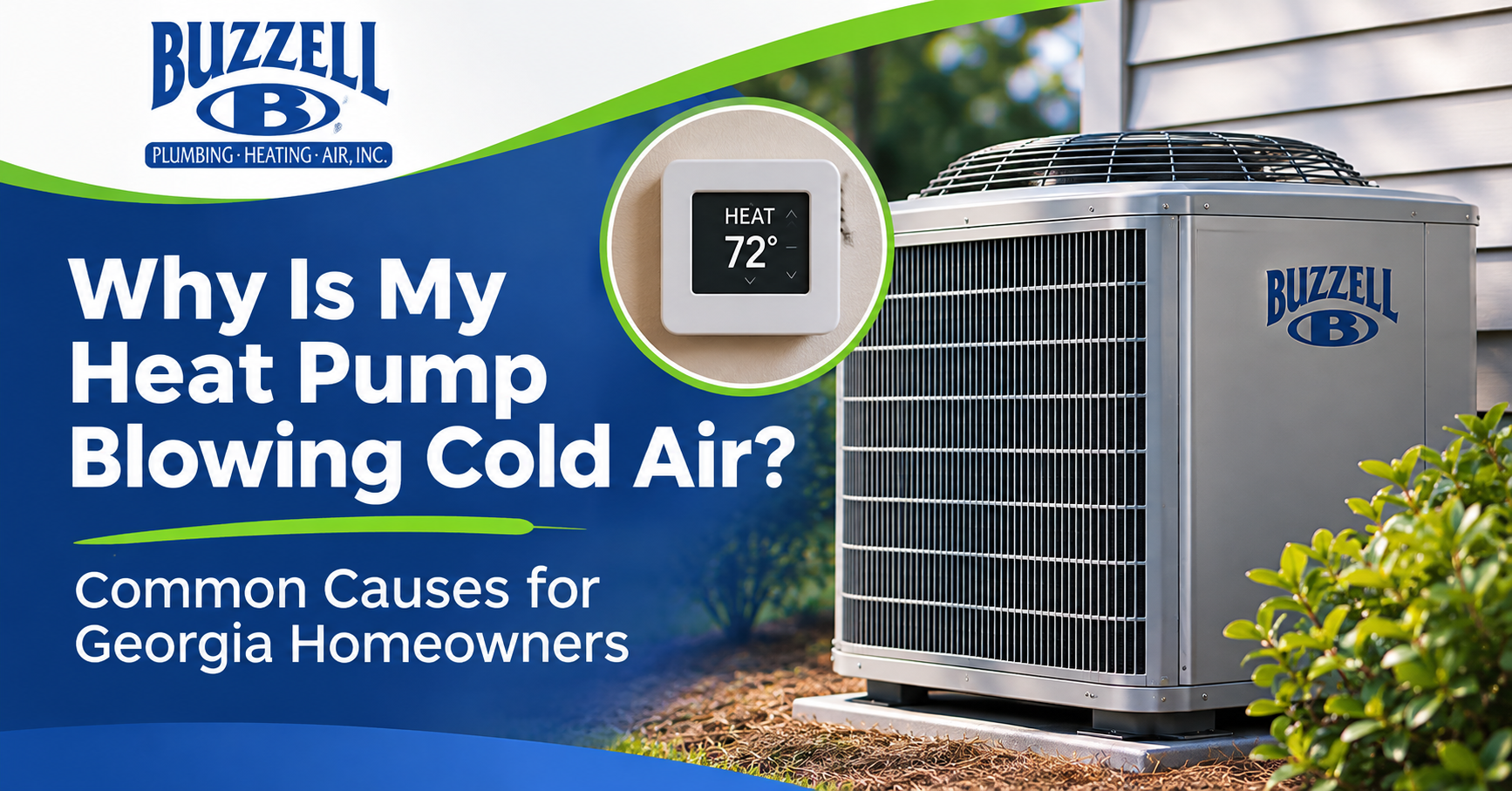
When temperatures drop in Middle Georgia, homeowners rely on their heating systems to maintain a comfortable indoor environment. But what happens when your heat pump starts blowing cold air instead of keeping your home warm?
A heat pump blowing cold air can be frustrating, especially when your thermostat is set to heat and your home isn't reaching the desired temperature. While some cool airflow is normal during certain operating conditions, persistent cold air may indicate an issue requiring professional attention.
Understanding why your heat pump isn't heating properly can help you recognize potential problems, avoid unnecessary repairs, and determine when to contact a professional for heating repair in Warner Robins, GA.
Is It Normal for a Heat Pump to Blow Cool Air?
Unlike traditional furnaces that generate heat, heat pumps transfer heat from the outdoor air into your home. Even when outdoor temperatures feel cold, a properly functioning heat pump can extract available heat and use it to warm your living spaces.
However, heat pumps typically deliver air at a lower temperature than gas furnaces. This means the air coming from your vents may feel lukewarm rather than noticeably hot.
There are also situations when a heat pump may temporarily produce cooler airflow, particularly during its defrost cycle.
The important distinction is whether your system continues maintaining the temperature you've selected on your thermostat.
If your home is becoming increasingly uncomfortable or the system runs continuously without providing adequate warmth, there may be an underlying problem.
1. Your Heat Pump Is Running a Defrost Cycle
One of the most common reasons a heat pump temporarily blows cooler air is its defrost cycle.
During colder weather, moisture can freeze on the outdoor unit's coils. Because ice buildup interferes with heat transfer, heat pumps periodically enter a defrost cycle to remove accumulated frost.
During this process, the system temporarily switches operating modes to warm the outdoor coil. Most systems use auxiliary heat to help maintain indoor comfort during defrost.
You may notice:
- A temporary change in the temperature of air coming from your vents
- Steam rising from the outdoor unit
- A brief change in operating sounds
- The outdoor fan stopping temporarily
These conditions can be normal during defrost.
However, if your heat pump repeatedly enters defrost mode, remains covered in heavy ice, or struggles to restore indoor temperatures, professional service may be necessary.
2. Incorrect Thermostat Settings
Sometimes, the explanation for a heat pump blowing cold air is relatively simple.
Your thermostat controls how and when your heating system operates. Incorrect settings can cause the system to circulate air without providing the heating you expect.
Start by checking that your thermostat is set to HEAT rather than COOL.
Next, examine the fan setting. When the fan is set to ON, the blower may continue circulating air even when the heat pump isn't actively heating. This can make the air coming through your vents feel cooler.
Switching the fan setting to AUTO allows the blower to operate according to the system's heating cycle.
You should also verify that your desired temperature is higher than the current indoor temperature.
If these adjustments don't resolve the issue, the thermostat or another system component may require professional evaluation.
3. Dirty Air Filters Are Restricting Airflow
A clogged air filter can significantly affect your heat pump's heating performance.
As dust, pet hair, and other particles accumulate, the filter becomes increasingly restrictive. Reduced airflow makes it more difficult for your HVAC system to distribute conditioned air throughout your home.
Restricted airflow can contribute to:
- Inconsistent indoor temperatures
- Longer heating cycles
- Reduced heating efficiency
- Increased equipment strain
- Frozen coils under certain conditions
Homeowners should inspect their filters regularly and replace them according to manufacturer recommendations and household conditions.
For additional guidance on maintaining heating and cooling equipment, read Buzzell's article, How Often Should You Service Your HVAC System in Georgia?.
4. Low Refrigerant Levels or Refrigerant Leaks
Refrigerant plays an essential role in transferring heat between your heat pump's indoor and outdoor components.
When refrigerant levels are too low, the system may struggle to absorb and transfer enough heat to maintain comfortable indoor temperatures.
Potential warning signs include reduced heating performance, unusually long operating cycles, ice accumulation, and unexpected increases in electricity consumption.
Because refrigerant circulates through a sealed system, low levels generally indicate a leak or an incorrect charge rather than normal consumption.
A qualified HVAC technician can inspect the system, locate potential leaks, make appropriate repairs, and verify the correct refrigerant charge.
Simply adding refrigerant without addressing the underlying problem may allow the issue to return.
5. Problems With the Outdoor Heat Pump Unit
Your outdoor unit plays a critical role in heating your home, even during winter.
When airflow around the unit becomes restricted, the system may struggle to extract heat efficiently.
Leaves, dirt, vegetation, and other debris can interfere with normal operation. Heavy ice accumulation can also prevent proper heat transfer.
Homeowners can visually inspect the area around their outdoor unit and ensure surrounding vegetation and loose debris aren't obstructing airflow.
However, persistent ice buildup, unusual mechanical noises, or an outdoor fan that isn't operating normally should be evaluated by an HVAC professional.
Avoid attempting to remove ice with sharp objects or opening electrical equipment.
6. Malfunctioning Reversing Valve or Other Components
Heat pumps rely on several mechanical and electrical components to switch between heating and cooling.
One important component is the reversing valve, which changes the direction of refrigerant flow depending on the selected operating mode.
If the reversing valve malfunctions, your heat pump may struggle to switch into heating mode or may fail to deliver adequate warmth.
Other potential causes include:
- Faulty temperature sensors
- Electrical control problems
- Compressor issues
- Defective auxiliary heating components
- Malfunctioning defrost controls
These problems can produce similar symptoms, making accurate diagnosis important.
Buzzell Plumbing, Heating & Air provides professional heating repair services throughout Middle Georgia to identify equipment problems and restore reliable operation.
How Georgia's Winter Weather Affects Heat Pump Performance
Although Middle Georgia generally experiences milder winters than northern states, occasional freezing temperatures can still affect heat pump performance.
As outdoor temperatures decrease, heat pumps must work harder to extract available heat. Depending on the system's design, heating capacity may decline as temperatures fall.
Many systems include auxiliary heating to provide additional warmth when outdoor conditions become particularly challenging.
However, auxiliary heat should operate according to the system's controls and heating requirements.
If your heat pump frequently struggles to maintain indoor temperatures during relatively mild weather, the problem may involve equipment condition, airflow, system sizing, or another issue.
Routine heating maintenance helps identify developing problems before they lead to unexpected breakdowns.
When Should You Call for Heat Pump Repair?
Not every instance of cool airflow indicates a serious problem. However, certain warning signs suggest your heating system needs professional attention.
Consider scheduling service when:
- Your heat pump continuously blows cold air while heating is requested.
- Indoor temperatures keep dropping despite thermostat adjustments.
- The outdoor unit develops persistent or excessive ice buildup.
- Your heating system makes unusual noises.
- Your electricity bills increase unexpectedly.
- The system frequently shuts off or struggles to complete heating cycles.
Addressing these symptoms early can help prevent additional equipment strain and restore dependable comfort.
Preventing Heat Pump Problems With Regular Maintenance
Preventive maintenance is one of the most effective ways to support reliable heat pump operation throughout the year.
During professional heating maintenance, technicians can inspect electrical components, evaluate airflow, check refrigerant system performance, assess controls, and identify developing mechanical concerns.
Regular inspections also provide opportunities to correct minor problems before they become more disruptive.
Buzzell offers residential heating maintenance services designed to support equipment efficiency, reliability, and long-term performance.
Homeowners can also explore Buzzell's HVAC maintenance agreements for scheduled seasonal service.
Get Professional Heat Pump Repair in Warner Robins and Macon, GA
A heat pump blowing cold air doesn't always mean your heating system needs replacement. Sometimes the cause is a normal operating cycle or a simple thermostat setting. Other situations require professional diagnosis and repair.
If your heat pump isn't keeping your home comfortable, Buzzell Plumbing, Heating & Air can help.
Serving Warner Robins, Macon, Perry, Bonaire, Byron, Centerville, and surrounding Middle Georgia communities, Buzzell provides heating repair, maintenance, and HVAC services for residential customers.
Don't let a heating problem leave your home uncomfortable. Contact Buzzell Plumbing, Heating & Air today to schedule professional heat pump service and restore dependable heating performance.
Internal links reference Buzzell's verified heating repair, heating service, maintenance promotion, and blog pages. The related HVAC maintenance article is linked through the blog archive because its individual article URL was not verified.