Why Your Summer Energy Bills Keep Rising Even When Your HVAC System Seems Fine
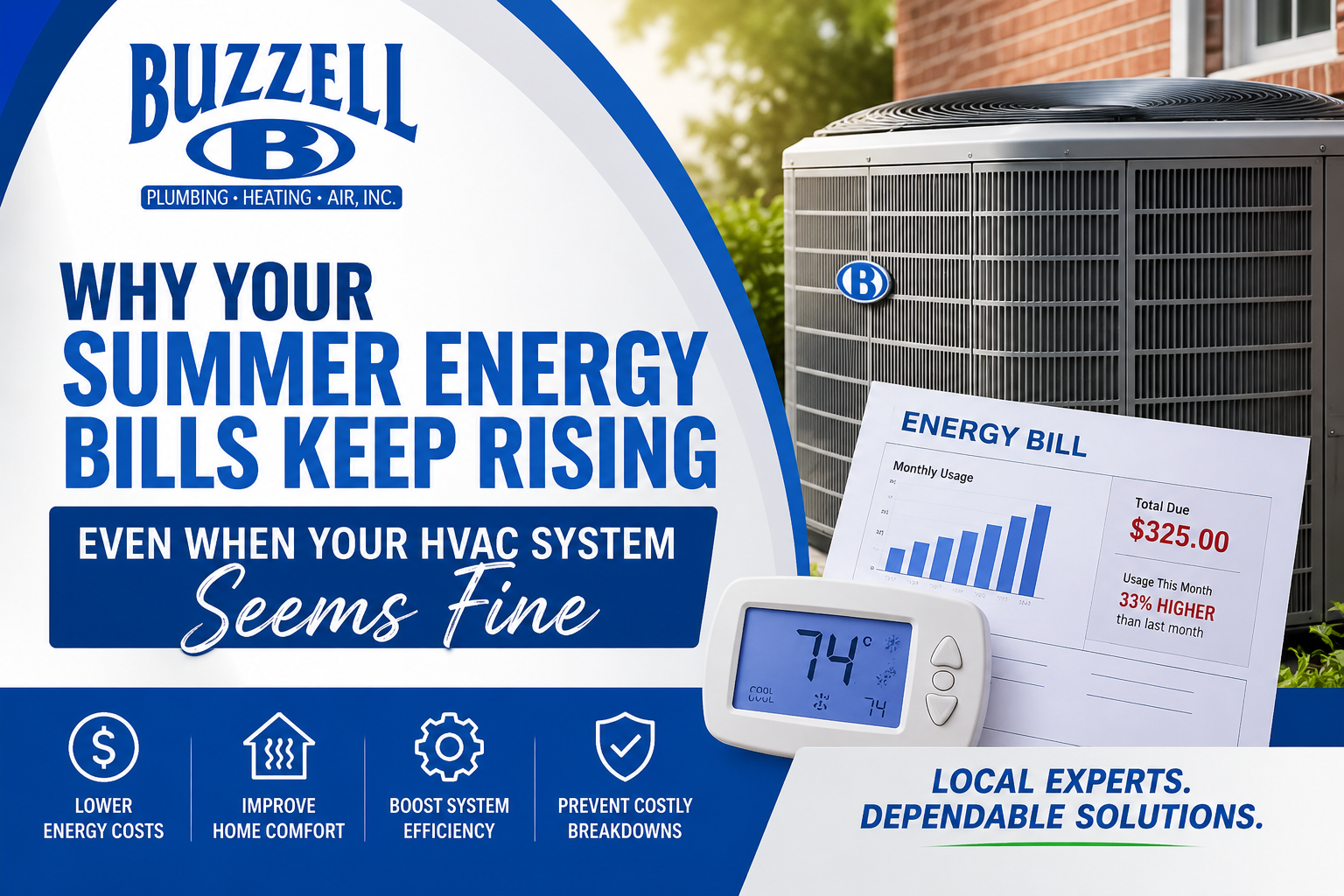
As temperatures climb across Middle Georgia, many homeowners notice something frustrating when they open their utility bills: cooling costs are significantly higher than expected. What's even more confusing is that the air conditioner appears to be working normally. The system turns on, cool air comes from the vents, and the home stays comfortable. So why are energy bills continuing to rise?
The reality is that an HVAC system does not have to completely break down to become less efficient. In many cases, hidden performance issues gradually force the system to work harder and longer to achieve the same results. Over time, this extra strain increases energy consumption, shortens equipment lifespan, and can eventually lead to costly repairs.
Understanding the common causes of rising summer energy bills can help homeowners identify problems early and improve overall system performance.
Your HVAC System Can Lose Efficiency Without Failing
Many people assume that if their air conditioner is cooling the home, everything is working as it should. However, HVAC systems naturally lose efficiency over time due to wear and tear, dirt buildup, and aging components.
Even small issues can make a significant difference in how much energy your system consumes. A unit that once cooled your home quickly may now run longer cycles to maintain the same temperature. Because the decline often happens gradually, many homeowners don't notice the reduced efficiency until energy costs begin climbing.
Regular maintenance and inspections help identify these issues before they become major problems.
Dirty Air Filters Restrict Airflow
One of the most common causes of reduced HVAC efficiency is a dirty air filter.
Air filters are designed to capture dust, pollen, pet dander, and other airborne particles. As these contaminants accumulate, airflow becomes restricted. When airflow is reduced, your system must work harder to move conditioned air throughout the home.
The result is longer run times, increased energy usage, and unnecessary strain on system components.
Depending on the type of filter and household conditions, filters should typically be checked every month and replaced as needed. Homes with pets, allergy concerns, or higher dust levels may require more frequent changes.
A simple filter replacement can often improve efficiency and lower cooling costs.
Dirty Coils Make Cooling More Expensive
Your air conditioning system relies on evaporator and condenser coils to transfer heat effectively. Over time, dirt and debris can accumulate on these coils, reducing their ability to absorb and release heat.
When this happens, the system must operate longer to achieve the desired indoor temperature.
Outdoor condenser units are particularly vulnerable during the summer months. Grass clippings, leaves, dirt, and other debris can block airflow around the unit and reduce performance.
Routine professional maintenance includes coil cleaning and inspection to ensure the system can operate at peak efficiency.
Leaky Ductwork Wastes Conditioned Air
Many homeowners focus on the air conditioner itself while overlooking the ductwork that delivers cooled air throughout the home.
If ducts develop leaks, gaps, or disconnected sections, conditioned air can escape into attics, crawl spaces, or wall cavities before it ever reaches living areas. This means the HVAC system must run longer to compensate for the lost air.
According to industry estimates, some homes lose a significant percentage of conditioned air through duct leakage alone.
Signs of ductwork issues may include:
- Uneven temperatures between rooms
- Weak airflow from certain vents
- Excessive dust accumulation
- Higher-than-normal energy bills
Professional duct inspections can identify hidden air loss and help restore system efficiency.
Thermostat Issues Can Increase Cooling Costs
Sometimes the problem isn't the HVAC equipment at all. The thermostat may be causing the system to run more than necessary.
Incorrect thermostat settings, outdated models, or poor thermostat placement can all impact efficiency. For example, a thermostat located near windows or heat-producing appliances may receive inaccurate temperature readings, causing the system to cool unnecessarily.
Programmable and smart thermostats can help homeowners reduce energy consumption by automatically adjusting temperatures based on occupancy and schedules.
Even small temperature adjustments can lead to noticeable savings over the course of a long Georgia summer.
Aging Systems Naturally Become Less Efficient
Like any major mechanical system, air conditioners lose efficiency as they age.
As components wear down, motors become less effective, refrigerant systems may not perform as efficiently, and overall cooling capacity can decline. While routine maintenance helps extend equipment life, even well-maintained systems eventually reach a point where operating costs increase.
Older HVAC systems may also lack many of the energy-saving features found in newer equipment.
If your air conditioner is more than 10 to 15 years old and energy bills continue to rise despite regular maintenance, it may be worth evaluating replacement options. A newer high-efficiency system can often provide improved comfort while reducing monthly utility expenses.
Georgia Heat and Humidity Create Additional Challenges
Homeowners in Warner Robins and throughout Middle Georgia face unique cooling challenges due to the region's hot, humid climate.
Humidity plays a major role in indoor comfort. When humidity levels are high, the air feels warmer than it actually is, causing homeowners to lower thermostat settings in an effort to stay comfortable.
At the same time, the HVAC system must work harder to remove moisture from the air while also cooling the home.
Extended periods of extreme heat place additional strain on air conditioning equipment and can expose underlying efficiency issues that may not be noticeable during milder weather.
This is one reason why preventative maintenance is especially important before peak summer temperatures arrive.
Small Problems Often Become Expensive Problems
Many HVAC issues start small and gradually worsen over time.
A slightly dirty coil, minor refrigerant issue, failing capacitor, or loose electrical connection may not immediately affect comfort. However, these problems can reduce efficiency and increase energy usage long before they cause a system breakdown.
Ignoring these warning signs often leads to larger repair bills later.
Routine inspections allow HVAC professionals to identify developing issues early, helping homeowners avoid emergency repairs during the hottest months of the year.
How Professional HVAC Maintenance Helps Lower Energy Bills
Preventative maintenance remains one of the most effective ways to control cooling costs and improve system performance.
During a professional maintenance visit, technicians typically inspect key components, clean critical system parts, verify proper airflow, check refrigerant levels, test electrical connections, and identify potential issues before they become serious.
Benefits of routine maintenance may include:
- Improved energy efficiency
- Lower monthly utility costs
- Reduced risk of breakdowns
- Better indoor comfort
- Longer equipment lifespan
- Improved system reliability
These benefits often outweigh the cost of maintenance by helping homeowners avoid larger repairs and excessive energy consumption.
Don't Ignore Rising Energy Bills
A rising utility bill is often one of the first signs that something isn't operating as efficiently as it should. Even if your HVAC system appears to be cooling normally, hidden issues could be causing unnecessary energy waste and placing additional strain on equipment.
Addressing small efficiency problems early can help improve comfort, lower cooling costs, and extend the life of your HVAC system.
If you've noticed your summer energy bills climbing despite normal usage, a professional HVAC inspection can help identify the cause and ensure your system is operating as efficiently as possible throughout the cooling season.