Garbage Disposal Backing Up into Sink Causes, Solutions, and Prevention
A clogged sink, with water and debris backing up into the basin, can be unpleasant and inconvenient. This issue often stems from a malfunctioning garbage disposal unit designed to grind food waste into small particles that can easily pass through the plumbing system. When this appliance becomes clogged or fails to operate properly, it can cause a backup, leading to a messy and potentially unsanitary situation in your kitchen.
In the Warner Robins and Macon areas of Georgia, homeowners may encounter this problem due to various factors, including improper garbage disposal usage, aging plumbing systems, or even external issues like tree root intrusion into sewer lines. Fortunately, Buzzell Plumbing is here to provide comprehensive guidance on identifying the root causes, implementing effective solutions, and preventing future occurrences of garbage disposal backups.
Understanding the Garbage Disposal Mechanism
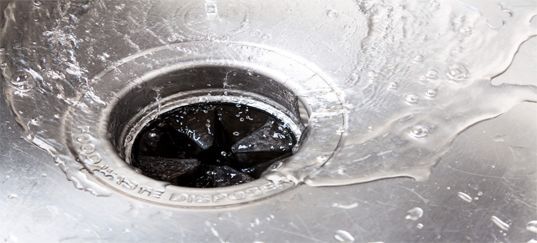
Before delving into the causes and solutions for backed-up garbage disposal, it's essential to understand how this appliance functions. A garbage disposal unit is typically installed under the kitchen sink and connected to the drain pipe. It consists of a motor-driven grinding chamber with spinning impellers or blades that shred food waste into small particles. These particles are then flushed down the drain with the help of running water.
The Role of Plumbing Vents
An often overlooked aspect of a properly functioning plumbing system is the presence of vents. These vents are crucial in maintaining adequate air pressure within the pipes, allowing for smooth drainage and preventing vacuums that can hinder water flow. If a plumbing vent becomes blocked or malfunctions, it can disrupt the drainage process and contribute to backups, including those in the garbage disposal.
The Importance of Proper Maintenance
Like any household appliance, garbage disposals require regular maintenance to ensure optimal performance and longevity. Neglecting proper care and maintenance can lead to a buildup of debris, dull blades, and other issues that can ultimately result in clogs and backups. Homeowners should follow the manufacturer's recommendations for cleaning and maintaining their garbage disposal units.
Common Causes of Garbage Disposal Backups
There are several reasons why garbage disposal may back up in the sink. Understanding these causes is the first step in effectively identifying and resolving the issue.
Improper Food Disposal Habits
One of the most common culprits behind garbage disposal backups is improper food disposal habits. While these units are designed to handle certain types of food waste, several items should never be put down the disposal.
Fibrous or Stringy Foods
Fibrous or stringy foods, such as celery, asparagus, or corn husks, can easily wrap around the impellers or blades, causing them to become jammed or tangled. This can prevent the disposal from functioning properly and lead to clogs and backups.
Hard or Tough Items
Hard items like bones, fruit pits, or nutshells can dull or damage the garbage disposal blades, reducing efficiency and increasing clogs' likelihood.
Grease, Oil, and Fat
While liquid, when poured down the drain, grease, oil, and fat can solidify as they cool, creating stubborn clogs in the pipes and disposal unit. These substances should never be put down in garbage disposal.
Starchy Foods and Expandable Materials
Starchy foods like pasta, rice, and potatoes and expandable materials like bread and coffee grounds can swell up and create blockages in the pipes and disposal unit.
Mechanical Failures or Malfunctions
In addition to improper food disposal habits, mechanical failures or malfunctions within the garbage disposal can also contribute to backups.
Dull or Damaged Blades
Over time, the impellers or blades within the garbage disposal can become dull or damaged, reducing their ability to grind food waste effectively. This can lead to clogs and backups as the disposal struggles to process the waste.
Motor Issues
The motor that powers the garbage disposal can experience problems due to age, wear and tear, or electrical issues. A malfunctioning motor may cause the disposal to run inefficiently or stop working altogether, leading to backups.
Clogged or Blocked Drains
Even if the garbage disposal is functioning properly, clogs or blockages in the drain pipes can cause water and waste to go back into the sink. Various factors, including the buildup of grease, hair, or other debris in the pipes, can cause these clogs.
External Factors
In some cases, the cause of a garbage disposal backup may be outside the home's immediate plumbing system.
Tree Root Intrusion
In areas like Warner Robins and Macon, where mature trees are abundant, tree roots can sometimes infiltrate and damage sewer lines, causing blockages and backups that can affect the entire plumbing system, including the garbage disposal.
Municipal Sewer Line Issues
Occasionally, problems with municipal sewer lines or sewage treatment facilities can cause backups that may manifest in your home's plumbing system, leading to issues like a backed-up garbage disposal.
DIY Solutions for Garbage Disposal Backups
Sometimes, minor garbage disposal backups can be resolved through simple do-it-yourself (DIY) solutions. However, it's important to exercise caution and prioritize safety when attempting any DIY repairs.
Safety Precautions
Before attempting any DIY solutions, taking the necessary safety precautions is crucial.
- Unplug the Garbage Disposal: To prevent accidental activation and potential injury, always unplug the garbage disposal or turn off the circuit breaker that supplies power to the unit.
- Wear Protective Gear: When working with plumbing issues, it's recommended to wear protective gear like gloves and safety glasses to avoid exposure to potentially harmful substances or debris.
- Clear the Work Area: Ensure that the area around the sink is clear of any clutter or obstructions to provide a safe and accessible workspace.
Using a Plunger
One of the simplest DIY solutions for backed-up garbage disposal is to use a plunger. This tried-and-true method can sometimes dislodge minor clogs or blockages.
- Use a sink plunger (flat cup design) rather than a toilet plunger (flange design).
- Fill the sink with a few inches of water to create a seal for the plunger.
- Plunge vigorously for several minutes, allowing the suction to dislodge debris or clogs.
- Run hot water down the drain to flush out any loosened material.
Using Natural Cleaners
If a plunger doesn't resolve the issue, you can use natural cleaners to help break down and dislodge clogs. Avoid harsh chemical cleaners, which can harm your plumbing system and the environment.
- Baking Soda and Vinegar: Mix equal parts baking soda and vinegar to create a fizzing reaction that can help dissolve clogs. Pour the mixture down the drain, sit for 30 minutes, and then flush with hot water.
- Enzymatic Cleaners: Enzymatic cleaners contain natural enzymes that break down organic matter, making them effective for dissolving food waste clogs.
Removing Obstructions Manually
If you can see or feel an obstruction in the garbage disposal, you can remove it manually. However, exercise extreme caution and only attempt this if you are confident in your ability to do so safely.
- Use a pair of tongs or pliers carefully to remove any visible debris or obstructions from the disposal.
- If the blades or impellers are jammed, you can use an Allen or disposal wrench to rotate the blades and manually dislodge the obstruction.
Resetting the Garbage Disposal
Many garbage disposals have a reset button that can be used to clear minor jams or issues. This button is typically located on the bottom or side of the disposal unit.
- Locate the reset button and press it firmly.
- If the disposal was jammed or overloaded, resetting it may restore proper function.
When to Call a Professional
While DIY solutions can be effective for minor clogs or blockages, there are situations where it's advisable to seek professional assistance from a qualified plumber.
- If the clog or backup persists despite your DIY efforts, it may indicate a more severe issue that requires professional attention.
- If you suspect a mechanical failure or malfunction within the garbage disposal unit, it's best to have a professional diagnose, repair, or replace the unit as needed.
- If the backup is caused by external factors like tree root intrusion or municipal sewer line issues, a professional plumber will have the necessary tools and expertise to identify and address the root cause.
In the Warner Robins and Macon areas, homeowners can rely on Buzzell Plumbing's expertise for all their garbage disposal backup and repair needs. Our experienced professionals are equipped with the latest tools and techniques to diagnose and resolve even the most complex plumbing issues.
Professional Garbage Disposal Repair and Replacement Services
While DIY solutions can be effective in some cases, there are situations where professional intervention is necessary to resolve garbage disposal backups and ensure the long-term health of your plumbing system. Buzzell Plumbing offers comprehensive garbage disposal repair and replacement services to Warner Robins and Macon homeowners.
Diagnosis and Repair
Our team of experienced plumbers begins by conducting a thorough inspection and diagnosis of the issue. We use advanced tools and techniques to identify the root cause of the backup, whether it's a clogged drain, a mechanical failure within the disposal unit, or an external factor like tree root intrusion.
Once the cause has been identified, our plumbers will provide you with a detailed explanation of the problem and recommend the most appropriate course of action. We pride ourselves on our transparency and commitment to providing cost-effective solutions tailored to your needs.
If repair is possible and economically viable, our technicians will undertake the necessary steps to restore your garbage disposal to proper working condition. This may involve clearing clogs, replacing worn or damaged components, or addressing any underlying issues within the plumbing system.
Replacement and Installation
In cases where repair is not feasible or cost-effective, our team can assist you with replacing and installing a new garbage disposal unit. We work with top-quality brands and models to ensure you receive a reliable and efficient unit that meets your needs and budget. Our technicians are trained in the proper installation techniques, ensuring that your new garbage disposal is seamlessly integrated into your plumbing system and functions optimally from day one.
Our team maintains open communication throughout the repair or replacement process, keeping you informed at every step. We understand the importance of minimizing disruptions to your daily routine, so we strive to complete our work efficiently and with minimal inconvenience to you and your household.
Preventive Maintenance and Inspections
In addition to repair and replacement services, Buzzell Plumbing offers preventive maintenance and inspection services for garbage disposals. Regular maintenance can extend the lifespan of your disposal unit, identify potential issues before they escalate, and ensure optimal performance over time.
Our preventive maintenance services typically include:
- Thorough cleaning and inspection of the disposal unit
- Sharpening or replacing dull or damaged blades
- Lubrication of moving parts
- Testing for proper operation and drainage
- Identification and addressing of any potential issues or concerns
By scheduling regular maintenance visits, you can proactively address minor problems before they lead to more significant and costly issues, such as backups or complete system failures.
Best Practices for Garbage Disposal Usage and Maintenance
While professional services are invaluable in addressing garbage disposal backups and ensuring the overall health of your plumbing system, there are also several best practices that homeowners can follow to minimize the risk of clogs and backups in the first place.
Proper Food Waste Disposal
One of the most important aspects of maintaining a well-functioning garbage disposal is understanding what can and cannot be put down the drain. By following these guidelines, you can significantly reduce the likelihood of clogs and backups:
- Avoid putting fibrous or stringy foods like celery, asparagus, or corn husks down the disposal, as they can wrap around the blades and cause jams.
- Refrain from disposing of hard items such as bones, fruit pits, or nutshells, as they can dull or damage the blades.
- Never pour grease, oil, or fat down the disposal, as these substances can solidify and create stubborn clogs in the pipes.
- Limit the amount of starchy foods like pasta, rice, and potatoes that you dispose of, as they can expand and cause blockages.
- Avoid putting expandable materials like bread or coffee grounds down the disposal, as they can swell and create clogs.
Proper Usage Techniques
In addition to being mindful of what goes down the disposal, it's also important to follow proper usage techniques to ensure optimal performance and longevity:
- Always run cold water while operating the garbage disposal to help flush waste particles through the pipes.
- Allow the disposal to run for a few seconds after grinding is complete to ensure all waste has been flushed through the system.
- Avoid overloading the disposal with too much waste at once, as this can cause jams or overheating.
- Never put non-food items like glass, plastic, or metal down the disposal, as they can cause severe damage to the unit.
Regular Cleaning and Maintenance
To keep your garbage disposal functioning at its best, it's important to incorporate regular cleaning and maintenance into your routine:
- Periodically grind up ice cubes or citrus peels in the disposal to help sharpen the blades and remove buildup.
- Use a disposal cleaner or a baking soda and vinegar solution to deodorize and remove residue from the unit.
- Inspect the disposal regularly for any wear or damage, such as leaks, unusual noises, or reduced grinding power.
- Consider scheduling professional maintenance visits to ensure your disposal operates optimally and to catch any potential issues early.
Following these best practices for garbage disposal usage and maintenance can significantly reduce the risk of clogs, backups, and other plumbing issues, ensuring a smooth-running and efficient kitchen sink for years to come.
The Importance of Professional Plumbing Services
While DIY solutions and preventive measures can help address and avoid garbage disposal backups, there are situations where professional plumbing services are essential. At Buzzell Plumbing, we understand the unique challenges faced by homeowners in the Warner Robins and Macon areas and are committed to providing tailored solutions that meet your specific needs.
Expertise and Experience
Our team of highly trained and experienced plumbers has the knowledge and skills necessary to diagnose and resolve even the most complex plumbing issues. With years of experience in the industry, we have encountered and successfully addressed a wide range of garbage disposal backups and other plumbing problems.
We stay up-to-date with the latest industry trends, techniques, and technologies, ensuring we can provide our customers with the most effective and efficient solutions. Our expertise extends beyond garbage disposals, allowing us to identify and address any underlying or related issues within your plumbing system.
Comprehensive Services
At Buzzell Plumbing, we offer a comprehensive range of plumbing services to meet the diverse needs of our customers. In addition to garbage disposal repair and replacement, we provide services such as:
- Drain cleaning and unclogging
- Sewer line repair and replacement
- Water heater installation and maintenance
- Leak detection and repair
- Bathroom and kitchen remodeling
- Backflow prevention and testing
By offering a wide range of services under one roof, we can provide our customers with a seamless and convenient experience, addressing all their plumbing needs with a single point of contact.
Customer-Focused Approach
At the core of our business philosophy is a commitment to exceptional customer service. We understand that plumbing issues can be disruptive and stressful, so we strive to provide a hassle-free experience from start to finish.
Our team of professionals is dedicated to clear communication, keeping you informed throughout the entire process and ensuring you understand the problem, the proposed solution, and the associated costs. We take the time to listen to your concerns and tailor our services to meet your specific needs and preferences.
Prompt and Reliable Service
When it comes to plumbing emergencies, time is of the essence. That's why Buzzell Plumbing offers prompt and reliable service, with our team available 24/7 to respond to your needs. Whether you're dealing with a backed-up garbage disposal, a burst pipe, or any other plumbing emergency, we will dispatch our technicians to your location as quickly as possible to mitigate any potential damage and restore your plumbing system to proper working order.
In non-emergency situations, we prioritize convenience and work around your schedule to minimize disruptions to your daily routine. Our technicians arrive on time, fully equipped with the necessary tools and materials to complete the job efficiently and effectively.
When you choose Buzzell Plumbing for your garbage disposal backup and other plumbing needs, you can rest assured that you're in capable hands. Our commitment to excellence, expertise, and customer-focused approach ensures that you receive the highest-quality service and long-lasting solutions.
Garbage disposal backups can be a frustrating and messy problem for homeowners, but with the right knowledge and approach, they can be effectively addressed and prevented. By understanding the common causes, implementing DIY solutions when appropriate, and seeking professional assistance when necessary, you can maintain a smooth-running and efficient plumbing system in your home.
At
Buzzell Plumbing, we are dedicated to providing comprehensive and reliable plumbing services to Warner Robins and Macon, GA, residents. Our team of experienced professionals is equipped with the expertise and resources necessary to diagnose and resolve garbage disposal backups and a wide range of other plumbing issues.
Whether you need garbage disposal repair or replacement, drain cleaning, sewer line maintenance, or any other plumbing service, we are here to help. Our commitment to exceptional customer service, prompt and reliable service, and tailored solutions ensures you receive the highest quality service and long-lasting results.
Keep backed-up garbage disposal from disrupting your daily routine. Contact Buzzell Plumbing today to schedule an appointment or to learn more about our services. Together, we can restore the convenience and peace of mind you deserve in your home's plumbing system.