Pipeline Perspectives: Knowing When It's Time to Relocate Your Sewer Lines in Warner Robins and Macon, GA

July 10, 2024

Maintaining a well-functioning residential plumbing system is a complex undertaking, with the sewer line being a crucial component that demands vigilant monitoring. As a trusted local provider in Warner Robins and Macon, GA, Buzzell Plumbing specializes in comprehensive plumbing solutions, including sewer line relocation. With decades of experience, our team understands the intricacies of recognizing when to relocate these vital conduits, ensuring your home's plumbing operates seamlessly.


Signs That You May Need to Relocate Your Sewer Lines


Identifying the need for sewer line relocation can be daunting for homeowners. However, several telltale signs can indicate that it's time to take action. Despite regular maintenance, persistent clogs could signify a more profound issue, such as faulty pipe layout, tree root intrusion, or severe pipe damage. Ignoring these warning signals can lead to more significant problems, like sewage backups, which can pose serious health risks and cause property damage.


Another red flag is the presence of slow-draining sinks, tubs, or toilets, particularly during periods of high water usage or heavy rainfall. These issues could stem from a sewer line no longer functioning optimally, potentially due to cracks, blockages, or improper installation.


If your home is older or has recently undertaken renovations or additions, it's crucial to assess whether these changes have impacted the placement of your sewer lines. Alterations to the property's layout might necessitate relocating the lines to accommodate the new structure and ensure your plumbing system continues running smoothly.


Addressing Recurring Clogs and Backups


Recurrent clogs and sewage backups are among the most evident signs that your sewer line requires attention. While a one-time clog might be resolved with a simple plunging or snaking, frequent occurrences indicate a more severe underlying problem. In such cases, relocating the sewer line could be the most effective solution, eliminating the root cause of the persistent clogs and preventing future backups.


Slow Drains and Water Pressure Issues


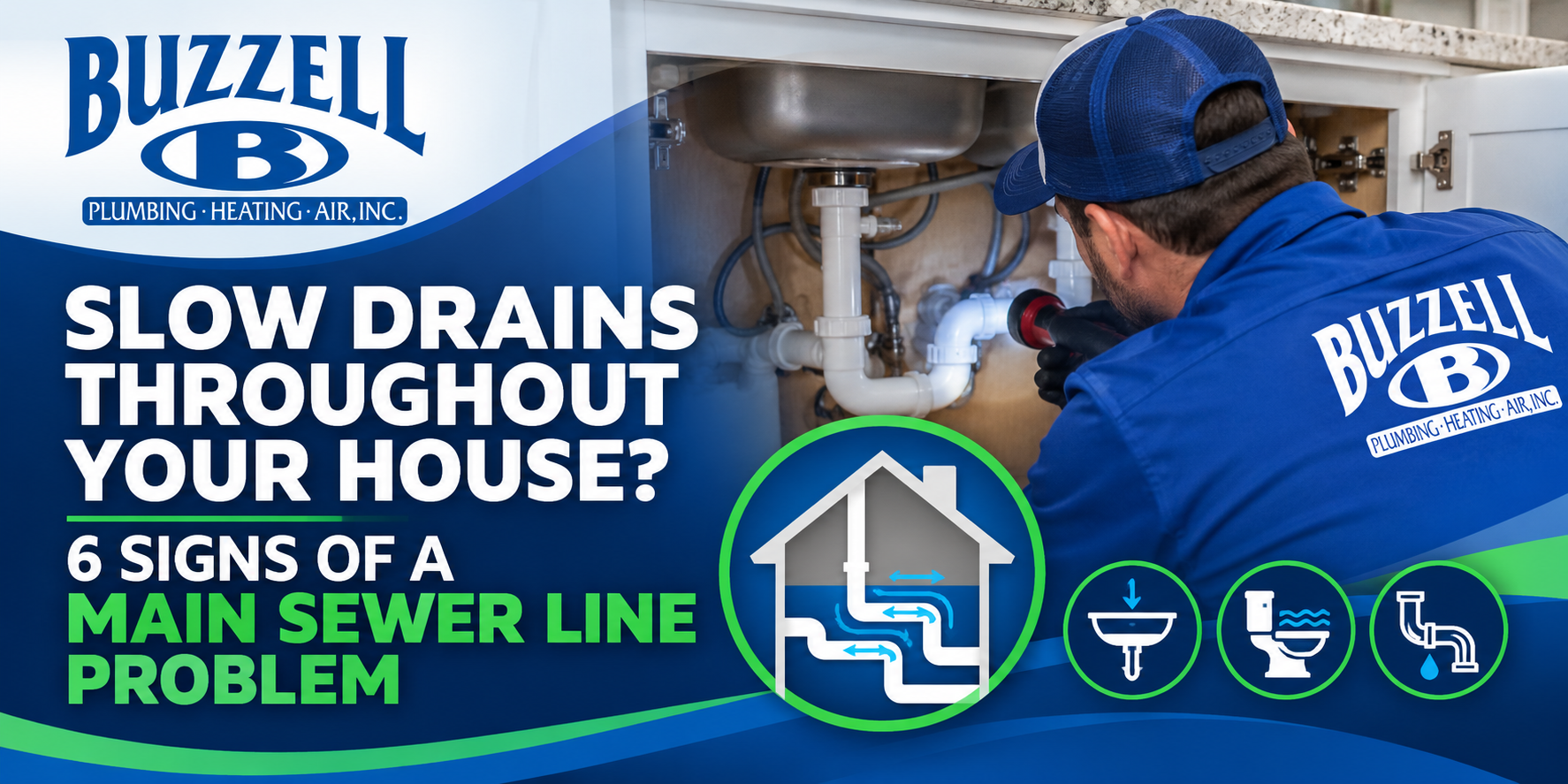
Slow-draining sinks, tubs, or toilets can be frustrating and may signal a problem with your sewer line. If multiple fixtures exhibit this issue, particularly during periods of high water usage or heavy rainfall, it could indicate a blockage or restriction in the sewer line. Additionally, fluctuating or decreasing water pressure can sometimes be traced back to a leaky sewer pipe, necessitating a thorough inspection and potential relocation.


Age and Condition of Existing Sewer Lines


The age and condition of your home's sewer lines play a crucial role in determining the need for relocation. Older homes, particularly those built before the widespread adoption of modern plumbing materials like PVC, may have sewer lines made of materials more susceptible to damage, such as cast iron or clay. These materials can corrode, crack, or become infiltrated by tree roots over time, leading to leaks, blockages, and other issues that may warrant a complete line replacement.


Reasons for Sewer Line Relocation


While persistent clogs and backups are often the most obvious indicators that sewer line relocation is necessary, several other factors can also contribute to the need for this undertaking. One common reason is home renovations or additions that alter the property's layout, potentially disrupting the existing sewer line placement.


For instance, if you plan to construct a new addition or swimming pool, the excavation and construction work could interfere with or damage your current sewer lines. In such cases, relocating the lines to accommodate the new structure becomes essential to maintain a properly functioning plumbing system.


Another scenario that might necessitate sewer line relocation is a change in land use or zoning regulations in your area. If new municipal codes or standards are implemented, your existing sewer lines may no longer comply, requiring updates or relocation to meet the new requirements.


Home Renovations and Additions


Undertaking significant home renovations or constructing new additions can often necessitate sewer line relocation. As your property's layout changes, the existing sewer line placement may need to be revised or could even be obstructed by the new structures. In such cases, relocating the lines to accommodate the changes and ensure proper drainage becomes crucial.


Soil Conditions and Environmental Factors


The soil conditions and environmental factors in Warner Robins and Macon, GA, can also play a role in determining the need for sewer line relocation. Certain soil types, such as expansive clay or sandy soils, can shift and move over time, potentially causing damage to underground pipes. Additionally, areas with a high water table or frequent flooding may increase the risk of sewer line failure, making relocation a prudent choice.


Compliance with Local Regulations


As municipalities update their building codes and plumbing regulations, older homes may need to bring their sewer lines up to current standards. This could involve relocating the lines to meet new depth, slope, or material specifications requirements. Failure to comply with these regulations can result in fines or other penalties, making sewer line relocation a necessary investment to ensure your home's plumbing system is up to code.


The Process of Relocating Sewer Lines


Relocating sewer lines is a complex undertaking that requires careful planning and execution. It typically begins with a thorough inspection of your existing sewer line, often involving the use of specialized cameras or other diagnostic tools. This inspection helps identify the exact location and extent of any issues and the most appropriate course of action.


Once the need for relocation has been established, Buzzell Plumbing's experienced professionals will work with you to develop a comprehensive plan. This plan will consider factors such as the new sewer line route, the depth and slope requirements, and any potential obstacles or challenges that may need to be addressed.


Trenchless Technology for Minimal Disruption


At Buzzell Plumbing, we prioritize minimizing disruption to your property during sewer line relocation projects. One of the techniques we employ is trenchless technology, which allows us to install new sewer lines with minimal excavation. This method involves creating small access points and using specialized equipment to pull or bore the new pipe into place, significantly reducing the need for extensive digging and landscaping restoration.


Compliance with Local Regulations


Ensuring compliance with local regulations is crucial to any sewer line relocation project. Our team stays up-to-date with the latest plumbing codes and ordinances in Warner Robins and Macon, GA, ensuring that all work is performed in accordance with these standards. This protects your investment and ensures the safety and longevity of your new sewer line installation.


Skilled Professionals for Efficient Execution


At Buzzell Plumbing, we understand that sewer line relocation is a complex and critical task requiring skilled professionals' expertise. Our highly trained and experienced plumbers are equipped with the latest tools and techniques, ensuring that your project is executed efficiently, safely, and with minimal disruption to your daily routine.

The Benefits of Professional Sewer Line Relocation


Investing in professional sewer line relocation services from Buzzell Plumbing can provide numerous long-term benefits for your home and plumbing system. By addressing issues proactively and ensuring proper sewer line placement, you can significantly reduce the risk of future plumbing problems, such as clogs, backups, and water damage.
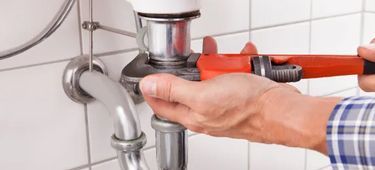
Sewer line

Increased Property Value


A well-functioning and up-to-date plumbing system can significantly enhance your property's value. By relocating your sewer lines to accommodate renovations, additions, or comply with local regulations, you're not only improving the functionality of your home but also making it more attractive to potential buyers in the future.


Enhanced Plumbing System Efficiency


Properly placed sewer lines can contribute to the overall efficiency of your plumbing system. With optimal drainage and flow, you'll experience fewer issues with slow drains, backups, or water pressure fluctuations, ensuring a seamless and hassle-free plumbing experience.


Peace of Mind and Reduced Maintenance Costs


By addressing sewer line issues proactively through relocation, you can enjoy greater peace of mind knowing that your plumbing system is operating at its best. Additionally, by preventing future problems, you can potentially save on costly repairs and maintenance down the line, making sewer line relocation a wise investment in the long run.


Choosing Buzzell Plumbing for Your Sewer Line Needs


Regarding sewer line relocation in Warner Robins and Macon, GA, homeowners can trust Buzzell Plumbing to deliver exceptional service and quality workmanship. With decades of experience in the plumbing industry, our team has the expertise and knowledge to tackle even the most complex sewer line projects.


Expertise and Customer Service Excellence


At Buzzell Plumbing, we pride ourselves on our commitment to excellence in technical expertise and customer service. Our plumbers are highly trained and certified, ensuring that they have the skills and knowledge to handle any sewer line relocation project with precision and professionalism.


Additionally, we prioritize open communication and transparency throughout the process, keeping you informed and

addressing any concerns or questions you may have.


State-of-the-Art Plumbing Technology


Buzzell Plumbing utilizes state-of-the-art plumbing technology and equipment to deliver the best possible results. From advanced diagnostic tools to trenchless installation techniques, we leverage the latest innovations in the industry to ensure efficient, minimally invasive, and long-lasting solutions for your sewer line needs.


Recognizing when it's time to relocate your sewer lines is crucial for maintaining a well-functioning plumbing system and preventing costly repairs or property damage. By addressing persistent clogs, backups, or issues caused by renovations or aging infrastructure, you can proactively safeguard your home and ensure a seamless plumbing experience.


At Buzzell Plumbing, we understand the complexities involved in sewer line relocation. We are dedicated to providing our customers in Warner Robins and Macon, GA, with exceptional service and quality workmanship. Our experienced professionals are equipped with the latest plumbing technology and techniques, ensuring efficient and minimally invasive solutions tailored to your specific needs.


Don't wait for a plumbing crisis to strike. Contact Buzzell Plumbing today to discuss your options for sewer line relocation and other plumbing services in Warner Robins and Macon, GA. Visit our website or call us to schedule a consultation and ensure your plumbing system is optimal for today's needs.


Concerned about your home's sewer lines? Don't wait for a crisis. Contact Buzzell Plumbing today to discuss your options for sewer line relocation and other plumbing services in Warner Robins and Macon, GA.
By Lauren Scott June 8, 2026
Summer energy bills rising even though your HVAC system seems fine? Learn the hidden causes of cooling inefficiency and how homeowners can reduce costs.
By Lauren Scott June 3, 2026
The Hidden Cost of Deferred Commercial HVAC Maintenance For many businesses, HVAC maintenance is easy to push down the priority list. As long as the system is heating and cooling the building, it may seem like there is no urgent reason to schedule service. However, delaying routine commercial HVAC maintenance often creates costs that far exceed the price of preventive care. What starts as a minor issue can quickly develop into a major repair, unexpected downtime, rising energy bills, or even premature equipment replacement. For commercial facilities, the financial impact of deferred maintenance extends well beyond the HVAC system itself. Understanding these hidden costs can help business owners and facility managers make more informed decisions about protecting their buildings and budgets. Small Problems Become Expensive Repairs Commercial HVAC systems are complex pieces of equipment with numerous moving parts that operate for long hours throughout the year. Over time, components naturally experience wear and tear. Routine maintenance is designed to identify and address small issues before they become significant problems. A worn belt, dirty coil, clogged drain line, or failing electrical connection may not immediately affect system performance, but these issues rarely improve on their own. Without regular inspections, minor concerns can place additional strain on other components, leading to larger failures and more expensive repairs. A simple maintenance visit that could have corrected a small issue may ultimately prevent a costly emergency service call or equipment breakdown. Rising Energy Costs Often Go Unnoticed One of the most common hidden expenses associated with deferred HVAC maintenance is increased energy consumption. When HVAC systems are not properly maintained, they must work harder to deliver the same level of comfort. Dirty filters restrict airflow, debris-covered coils reduce heat transfer efficiency, and improperly calibrated controls can cause equipment to run longer than necessary. These inefficiencies may seem insignificant on a daily basis, but they add up over time. Businesses often experience higher utility costs without realizing that neglected maintenance is contributing to the problem. For facilities with large rooftop units, multiple zones, or extensive operating hours, even small efficiency losses can translate into substantial annual energy expenses. Unexpected Downtime Disrupts Business Operations Few facility issues are more disruptive than an unexpected HVAC failure. When heating or cooling systems stop working, the consequences often extend beyond occupant comfort. Employees may struggle to remain productive in uncomfortable temperatures. Customers may choose to leave or avoid returning. Sensitive equipment, inventory, or technology may be exposed to conditions outside recommended operating ranges. For healthcare facilities, retail locations, office buildings, warehouses, and manufacturing environments, HVAC downtime can create significant operational challenges. Emergency repairs are typically more expensive than scheduled maintenance and often occur at the least convenient times. Preventive maintenance helps reduce the likelihood of these unexpected disruptions while improving overall system reliability. Equipment Lifespan Can Be Significantly Reduced Commercial HVAC systems represent a substantial capital investment. Business owners naturally want to maximize the lifespan of their equipment before replacement becomes necessary. Deferred maintenance can shorten that lifespan considerably. When systems operate under constant strain due to dirty components, airflow restrictions, refrigerant issues, or neglected mechanical wear, critical equipment ages more rapidly. Compressors, motors, fans, and other major components are forced to work harder than intended. As a result, businesses may find themselves replacing expensive equipment years earlier than expected. A well-maintained commercial HVAC system often delivers better performance and remains operational longer, helping organizations maximize their return on investment. Indoor Air Quality Can Suffer Today's businesses place increasing importance on creating healthy, comfortable indoor environments for employees, customers, and visitors. HVAC systems play a critical role in maintaining indoor air quality. When maintenance is neglected, dust, debris, allergens, and other contaminants can accumulate within the system and circulate throughout the building. Poor ventilation, dirty filters, and neglected components may contribute to uncomfortable indoor conditions and reduced air quality. In office environments, this can impact employee comfort and satisfaction. In healthcare, education, and customer-facing facilities, indoor air quality concerns can affect both occupants and business reputation. Routine maintenance helps ensure HVAC systems continue supporting a cleaner and healthier indoor environment. Budgeting Becomes More Difficult One of the advantages of preventive maintenance is predictability. Scheduled maintenance programs allow facility managers and business owners to plan for service costs throughout the year. Deferred maintenance often produces the opposite result. Instead of manageable maintenance expenses, businesses face unexpected repair bills, emergency service calls, equipment failures, and potential replacement costs. These unplanned expenses can place strain on operational budgets and complicate long-term facility planning. Organizations that invest in regular maintenance often experience fewer financial surprises and greater control over their building-related expenses. Compliance and Safety Concerns May Increase Depending on the industry, HVAC system performance may influence compliance requirements, safety standards, or operational regulations. Temperature control, ventilation, humidity management, and indoor air quality can all play important roles in maintaining compliant facilities. When maintenance is delayed, businesses may increase the risk of operational issues that affect these requirements. Routine inspections help identify concerns before they create larger compliance, safety, or operational challenges. A Proactive Approach Delivers Long-Term Value Commercial HVAC maintenance is often viewed as an expense, but in reality, it is an investment in the performance, efficiency, and longevity of a building's critical systems. By addressing small issues early, improving energy efficiency, reducing downtime, extending equipment life, and supporting occupant comfort, preventive maintenance can help businesses avoid many of the hidden costs associated with neglect. The goal is not simply to keep equipment running today. It is to ensure reliable performance, predictable operating costs, and long-term value for years to come. Protect Your Commercial HVAC Investment  Your HVAC system is one of the most important assets in your facility. Routine maintenance can help reduce costly repairs, improve efficiency, and keep your building operating at its best. Buzzell provides commercial HVAC maintenance, repair, and system support services designed to help businesses maximize performance while minimizing unexpected disruptions. Contact our team today to learn how a proactive maintenance strategy can help protect your facility and your bottom line.
By Lauren Scott May 27, 2026
For many businesses, commercial HVAC systems operate quietly in the background until something goes wrong. As long as the building stays comfortable, it is easy to assume the system is running efficiently. However, commercial HVAC problems often develop gradually over time, leading to higher energy bills, expensive repairs, reduced comfort, and unnecessary strain on equipment. An inefficient HVAC system can quietly increase operational costs month after month. For office buildings, retail spaces, warehouses, restaurants, medical facilities, and industrial properties, these costs can add up quickly. Recognizing the warning signs early can help businesses reduce expenses, improve system performance, and avoid major disruptions. Rising Utility Bills Without Increased Usage One of the clearest signs your commercial HVAC system may be costing too much is a noticeable increase in energy bills without major changes in building occupancy or usage. Commercial HVAC systems account for a significant portion of a building’s energy consumption. When components become dirty, worn, or outdated, the system must work harder to maintain the desired temperature. This increased workload leads directly to higher operating costs. Several issues can contribute to declining efficiency, including: Dirty Coils and Filters Dust and debris restrict airflow and reduce heat transfer efficiency. This forces HVAC units to run longer cycles to achieve the same level of cooling or heating. Aging Equipment Older rooftop units and HVAC systems naturally lose efficiency over time. Even if they still function, they may consume far more energy than newer commercial systems. Refrigerant Problems Low refrigerant levels or leaks reduce cooling performance and place additional stress on compressors and other components. Faulty Thermostats or Controls Inaccurate temperature readings or outdated building controls can cause systems to overrun unnecessarily. If utility costs continue climbing despite normal business operations, it may be time for a commercial HVAC inspection. Frequent Repairs and Service Calls Occasional HVAC repairs are normal, especially in large commercial buildings. However, frequent breakdowns often indicate larger underlying issues. Businesses that repeatedly pay for emergency service calls may actually spend more over time than they would on system upgrades or proactive maintenance. Recurring repairs can also create operational disruptions that affect employees, customers, and tenants. Common warning signs include: Constant thermostat issues Repeated refrigerant leaks Electrical failures Blower motor problems Compressor issues Frequent system shutdowns Uneven heating or cooling As HVAC systems age, components wear out faster and become less reliable. In many cases, businesses continue investing in repairs without realizing how much downtime and inefficiency are costing them. Tracking repair frequency and maintenance expenses can help determine whether a system is becoming financially inefficient. Uneven Temperatures Throughout the Building Hot and cold spots throughout a commercial property are often signs of airflow or HVAC performance problems. Employees working in uncomfortable conditions may become distracted or less productive, while customers may view inconsistent temperatures as a reflection of poor building maintenance. In certain industries such as healthcare, hospitality, or food service, temperature control is especially important. Uneven temperatures can result from: Ductwork Leaks or Restrictions Damaged or poorly sealed ductwork allows conditioned air to escape before reaching occupied spaces. Failing HVAC Components Blower motors, dampers, and compressors that are not operating properly can reduce airflow and temperature consistency. Improper System Sizing Commercial buildings that have undergone renovations or occupancy changes may have HVAC systems that no longer match the building’s needs. Poor Building Automation Settings Incorrect zoning or scheduling settings can create temperature imbalances across different areas of the property. When certain rooms consistently feel warmer or cooler than others, the HVAC system may be operating inefficiently and wasting energy. HVAC Systems Running Constantly Commercial HVAC systems should cycle on and off throughout the day based on building demand. If units seem to run constantly without reaching the desired temperature, this often points to efficiency issues. Continuous operation increases wear and tear on equipment while significantly increasing energy consumption. Potential causes include: Dirty evaporator or condenser coils Refrigerant leaks Airflow restrictions Failing compressors Poor insulation within the building Thermostat calibration issues Constant operation may temporarily maintain comfort levels, but it places excessive strain on the system and shortens equipment lifespan. Poor Indoor Air Quality Commercial HVAC systems do more than regulate temperature. They also play a major role in indoor air quality. When ventilation systems are not functioning properly, businesses may notice: Increased dust buildup Stale or musty odors Excess humidity Employee complaints about allergies or headaches Poor airflow Mold or mildew concerns Dirty filters, clogged ducts, poor ventilation, and neglected maintenance can all contribute to unhealthy indoor environments. Poor indoor air quality can negatively impact employee wellness, customer experience, and even overall productivity. Businesses that prioritize HVAC maintenance often see improvements in both comfort and operational performance. Your Commercial HVAC System Is Nearing the End of Its Lifespan Most commercial HVAC systems have a general lifespan of 15 to 20 years depending on maintenance, usage, and environmental conditions. As systems age, they become less efficient and more expensive to maintain. Older commercial units often: Require more frequent repairs Consume more energy Struggle to maintain consistent temperatures Use outdated refrigerants Lack modern efficiency features While replacing a commercial HVAC system is a major investment, continuing to operate an outdated system can become even more expensive over time. Modern commercial HVAC systems offer improved energy efficiency, better building controls, enhanced zoning capabilities, and lower operating costs. Businesses that upgrade aging equipment often experience long-term savings through reduced utility bills and fewer repair expenses. The Value of Proactive Commercial HVAC Maintenance Many costly HVAC issues can be prevented through routine maintenance and regular inspections. Preventative maintenance helps businesses: Identify problems early Improve energy efficiency Extend equipment lifespan Reduce emergency repairs Maintain consistent indoor comfort Improve indoor air quality Lower long-term operating costs Routine commercial HVAC maintenance typically includes filter replacements, coil cleaning, refrigerant checks, electrical inspections, airflow testing, thermostat calibration, and system performance evaluations. Rather than waiting for a major breakdown, proactive maintenance allows businesses to address smaller issues before they become expensive disruptions. Final Thoughts Commercial HVAC systems are one of the most important operational components in any business facility. When systems become inefficient, businesses often pay the price through higher energy bills, recurring repairs, reduced comfort, and unexpected downtime. Warning signs such as rising utility costs, uneven temperatures, constant system operation, and poor indoor air quality should never be ignored. Addressing these issues early can help businesses improve efficiency, protect equipment, and reduce long-term expenses. Regular commercial HVAC maintenance and system evaluations provide valuable insight into how well equipment is performing and whether improvements may be needed. Investing in HVAC efficiency today can help businesses avoid much larger costs in the future. 
By Lauren Scott May 21, 2026
Learn how often Georgia homeowners should service their HVAC systems to improve efficiency, prevent breakdowns, lower energy bills, and extend equipment lifespan.
By Lauren Scott May 14, 2026
Stay cool this summer with expert AC repair in Warner Robins, GA. Learn the top warning signs your air conditioner may need professional service.
energy myths that make your utility bills higher
May 5, 2026
Learn how to lower utility bills by avoiding common energy myths. Discover simple, practical tips to reduce energy waste and cut monthly costs.
Raindrops on a window with a blurred green background of foliage.
By Buzzell Plumbing September 18, 2025
Excess moisture forces your AC to work harder to keep your home cool, which can reduce efficiency, increase energy costs and shorten the lifespan of your system.
Bathroom with a dark wooden vanity, glass shower, and a mosaic accent tile.
By Buzzell September 18, 2025
While the occasional sound may seem harmless, bubbling can actually be a sign of an underlying issue in your drain or vent system.
Mold growth on a light-colored surface, with patches of black and grey discoloration.
By Buzzell August 20, 2025
Mold is attracted to moisture, which can linger inside your ducts if there’s excess condensation. Oftentimes, this is the result of a leak within the ductwork.
A plumber in white gloves using a wrench to adjust a sink drain pipe under a black and white sink.
By Buzzell August 20, 2025
Although these items are commonly found in bathrooms, that doesn’t mean they should be flushed. These products don’t break down like toilet paper and can clogs.