Proven Strategies to Extend the Lifespan of Your HVAC System

January 8, 2024

As a homeowner in Warner Robins, GA, or Macon, GA, you rely on your HVAC system to provide comfort throughout the year. However, HVAC systems have a limited lifespan, and with proper care and maintenance, they can succeed prematurely, leaving you comfortable and facing costly repairs or replacements. To help you maximize the lifespan of your HVAC system, Buzzell Plumbing, a trusted local expert, has compiled a list of proven strategies. By implementing these strategies, you can extend the life of your HVAC system, improve energy efficiency, and maintain optimal indoor air quality.


Table of Contents


  1. Schedule Regular Maintenance

    ● Annual Tune-Ups
    ● Professional Assistance

  2. Keep Air Filters Clean

    ● Importance of Clean Air Filters
    ● Frequency of Filter Replacement

  3. Ensure Proper Airflow Around the Outdoor Unit

    ● Clearing Debris and Vegetation
    ● Maintaining Adequate Clearance

  4. Optimize Your Thermostat Settings

    ● Installing a Smart Thermostat
    ● Proper Temperature Settings

  5. Upgrade Home Insulation

    ● Sealing Air Leaks
    ● Insulating Walls and Attic

  6. Monitor and Address Potential Leaks

    ● Refrigerant Leaks
    ● Other Types of Leaks

  7. Use Alternative Cooling Methods

    ● Utilizing Ceiling Fans
    ● Implementing Black-out Curtains and Blinds


1. Schedule Regular Maintenance


Regular maintenance is essential for extending the lifespan of your HVAC system. By scheduling annual tune-ups and seeking professional assistance, you can prevent potential issues and ensure your system operates efficiently.


Annual Tune-Ups


Scheduling annual tune-ups for your HVAC system is crucial. A professional HVAC technician should conduct these tune-ups before the cooling and heating seasons. During these tune-ups, the technician will perform a comprehensive inspection, clean the system, and make necessary adjustments. They will also check refrigerant levels, inspect electrical connections, and ensure your system is performing at its peak.


Professional Assistance


Seeking professional assistance is vital for maintaining your HVAC system's longevity. Professional HVAC technicians have the expertise and knowledge to identify and address potential issues before they become major problems. They can also provide valuable advice on optimizing your system's performance and offer tailored solutions to improve energy efficiency.


2. Keep Air Filters Clean

Keeping your air filters clean is a simple yet effective way to extend the lifespan of your HVAC system. Air filters are crucial in maintaining good indoor air quality and preventing dust and debris from entering your system.


Importance of Clean Air Filters


Dirty air filters can obstruct airflow, forcing your HVAC system to work harder to maintain the desired temperature. This increased workload can lead to excessive wear and tear on the system, reducing its lifespan. Regularly cleaning or replacing air filters ensures proper airflow, improves energy efficiency, and reduces strain on your HVAC system.


Frequency of Filter Replacement


The frequency of air filter replacement depends on various factors, including the size of your home, the type of filter used, and the level of air pollution in your area. As a general guideline, replacing disposable filters every 30-60 days and cleaning reusable filters regularly is recommended. Visual inspections, such as excessive dirt accumulation, can also help determine when a filter needs replacement.


3. Ensure Proper Airflow Around the Outdoor Unit


Proper airflow around the outdoor unit is essential for efficiently operating your HVAC system. By clearing debris and vegetation and maintaining adequate clearance, you can extend the lifespan of your system.


Clearing Debris and Vegetation


Regularly inspect and clear any debris or vegetation around your outdoor unit. Leaves, grass clippings, and other debris can obstruct airflow, reducing your system's efficiency. Clean the area around the unit and remove any obstructions to ensure optimal performance.


Maintaining Adequate Clearance


Maintaining sufficient clearance around your outdoor unit is crucial. Aim for at least one foot of space on all sides of the unit, but two to three feet of clearance is even better. This clearance allows for proper airflow and prevents obstructions that can strain your system. Follow the manufacturer's instructions for specific clearance requirements.


4. Optimize Your Thermostat Settings


Optimizing your thermostat settings can significantly impact the lifespan of your HVAC system. Installing a smart thermostat and setting appropriate temperature levels can reduce strain on your system and improve energy efficiency.


Installing a Smart Thermostat


Consider installing a smart thermostat in your home. Smart thermostats offer advanced features such as temperature and humidity-based controls, scheduling options, and remote access. These features allow you to create energy-saving schedules, adjust settings away from home, and optimize your HVAC system's performance.


Proper Temperature Settings


Setting appropriate temperature levels on your thermostat is essential for extending your HVAC system's lifespan. Avoid extreme temperature settings that force your system to work harder. Instead, aim for moderate settings that maintain a comfortable indoor temperature while minimizing strain on your unit. Utilize programmable features to adjust temperature settings based on your schedule, conserving energy when the house is unoccupied.


5. Upgrade Home Insulation


Upgrading your home's insulation is another effective strategy for extending the lifespan of your HVAC system. Proper insulation helps maintain a consistent indoor temperature, reducing the workload on your system.


Sealing Air Leaks


Air leaks can lead to energy loss and strain on your HVAC system. Identify and seal air leaks around windows, doors, and other areas where conditioned air can escape. Use caulk, weatherstripping, or expanding foam to seal gaps and improve energy efficiency.


Insulating Walls and Attic


Insufficient insulation in your walls and attic can result in heat gain or loss, making your HVAC system work harder. Consider adding insulation to these areas to improve energy efficiency and reduce strain on your system. Consult a professional to determine your home's appropriate insulation type and thickness.


6. Monitor and Address Potential Leaks


Monitoring your HVAC system for potential leaks is crucial for maintaining its efficiency and extending its lifespan. Regular inspections can help identify refrigerant leaks and other leaks impacting your system's performance.


Refrigerant Leaks


Refrigerant is essential for cooling your home, and leaks can significantly affect your system's efficiency. Visual inspections for oil traces, soap bubbles, or electronic leak detectors can help detect refrigerant leaks. If you suspect a refrigerant leak, contact a professional HVAC technician to address the issue promptly.


Other Types of Leaks


In addition to refrigerant leaks, your HVAC system can experience leaks in other components, such as the air ducts or condensate drain line. Regularly check for water leaks or moisture accumulation and address them promptly to prevent damage and maintain optimal performance.


  7. Use Alternative Cooling Methods


Utilizing alternative cooling methods can reduce the workload on your HVAC system and extend its lifespan. Implementing ceiling fans, black-out curtains, and blinds can help maintain a comfortable indoor environment while reducing reliance on your AC unit.


Utilizing Ceiling Fans


Ceiling fans provide additional air circulation and can create a breeze that makes a room feel cooler. Using ceiling fans in conjunction with your HVAC system allows you to set higher temperature levels while maintaining comfort. This reduces the strain on your AC unit and can lead to energy savings and an extended lifespan for your system.


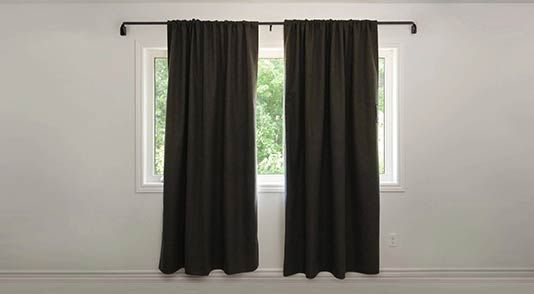
Implementing Black-out Curtains and Blinds

Black-out curtains and blinds help block sunlight and reduce heat gain during hot summer days. By preventing excessive heat from entering your home, you can reduce the workload on your HVAC system. These window coverings also provide insulation, helping to maintain a consistent indoor temperature.

By implementing these proven strategies, you can extend the lifespan of your HVAC system, improve energy efficiency, and maintain optimal indoor air quality.

Regular maintenance, clean air filters, proper airflow around the outdoor unit, optimized thermostat settings, upgraded home insulation, monitoring for leaks, and utilizing alternative cooling methods all play a crucial role in maximizing the lifespan of your HVAC system. For professional HVAC maintenance services and expert assistance in extending your HVAC system's lifespan, contact Buzzell Plumbing. With their commitment to quality service and cost-effective solutions, they are the trusted local experts in Warner Robins, GA, and Macon, GA.
 Extend Lifespan of HVAC

Contact Buzzell Plumbing today to schedule proactive HVAC maintenance and ensure the longevity of your HVAC system. With their experienced technicians and comprehensive maintenance services, you can trust Buzzell Plumbing to keep your HVAC system running efficiently and effectively. Extend the lifespan of your HVAC system and enjoy a comfortable home environment for years to come.
By Anel Ganic June 30, 2026
Wondering why your upstairs is always hot? Learn the common causes of uneven cooling and how Buzzell Plumbing, Heating & Air can restore comfort.
By Lauren Scott June 18, 2026
Why is your toilet gurgling? Learn the common plumbing issues behind bubbling toilets, warning signs to watch for, and when to call a plumber.
By Lauren Scott June 8, 2026
Summer energy bills rising even though your HVAC system seems fine? Learn the hidden causes of cooling inefficiency and how homeowners can reduce costs.
By Lauren Scott June 3, 2026
The Hidden Cost of Deferred Commercial HVAC Maintenance For many businesses, HVAC maintenance is easy to push down the priority list. As long as the system is heating and cooling the building, it may seem like there is no urgent reason to schedule service. However, delaying routine commercial HVAC maintenance often creates costs that far exceed the price of preventive care. What starts as a minor issue can quickly develop into a major repair, unexpected downtime, rising energy bills, or even premature equipment replacement. For commercial facilities, the financial impact of deferred maintenance extends well beyond the HVAC system itself. Understanding these hidden costs can help business owners and facility managers make more informed decisions about protecting their buildings and budgets. Small Problems Become Expensive Repairs Commercial HVAC systems are complex pieces of equipment with numerous moving parts that operate for long hours throughout the year. Over time, components naturally experience wear and tear. Routine maintenance is designed to identify and address small issues before they become significant problems. A worn belt, dirty coil, clogged drain line, or failing electrical connection may not immediately affect system performance, but these issues rarely improve on their own. Without regular inspections, minor concerns can place additional strain on other components, leading to larger failures and more expensive repairs. A simple maintenance visit that could have corrected a small issue may ultimately prevent a costly emergency service call or equipment breakdown. Rising Energy Costs Often Go Unnoticed One of the most common hidden expenses associated with deferred HVAC maintenance is increased energy consumption. When HVAC systems are not properly maintained, they must work harder to deliver the same level of comfort. Dirty filters restrict airflow, debris-covered coils reduce heat transfer efficiency, and improperly calibrated controls can cause equipment to run longer than necessary. These inefficiencies may seem insignificant on a daily basis, but they add up over time. Businesses often experience higher utility costs without realizing that neglected maintenance is contributing to the problem. For facilities with large rooftop units, multiple zones, or extensive operating hours, even small efficiency losses can translate into substantial annual energy expenses. Unexpected Downtime Disrupts Business Operations Few facility issues are more disruptive than an unexpected HVAC failure. When heating or cooling systems stop working, the consequences often extend beyond occupant comfort. Employees may struggle to remain productive in uncomfortable temperatures. Customers may choose to leave or avoid returning. Sensitive equipment, inventory, or technology may be exposed to conditions outside recommended operating ranges. For healthcare facilities, retail locations, office buildings, warehouses, and manufacturing environments, HVAC downtime can create significant operational challenges. Emergency repairs are typically more expensive than scheduled maintenance and often occur at the least convenient times. Preventive maintenance helps reduce the likelihood of these unexpected disruptions while improving overall system reliability. Equipment Lifespan Can Be Significantly Reduced Commercial HVAC systems represent a substantial capital investment. Business owners naturally want to maximize the lifespan of their equipment before replacement becomes necessary. Deferred maintenance can shorten that lifespan considerably. When systems operate under constant strain due to dirty components, airflow restrictions, refrigerant issues, or neglected mechanical wear, critical equipment ages more rapidly. Compressors, motors, fans, and other major components are forced to work harder than intended. As a result, businesses may find themselves replacing expensive equipment years earlier than expected. A well-maintained commercial HVAC system often delivers better performance and remains operational longer, helping organizations maximize their return on investment. Indoor Air Quality Can Suffer Today's businesses place increasing importance on creating healthy, comfortable indoor environments for employees, customers, and visitors. HVAC systems play a critical role in maintaining indoor air quality. When maintenance is neglected, dust, debris, allergens, and other contaminants can accumulate within the system and circulate throughout the building. Poor ventilation, dirty filters, and neglected components may contribute to uncomfortable indoor conditions and reduced air quality. In office environments, this can impact employee comfort and satisfaction. In healthcare, education, and customer-facing facilities, indoor air quality concerns can affect both occupants and business reputation. Routine maintenance helps ensure HVAC systems continue supporting a cleaner and healthier indoor environment. Budgeting Becomes More Difficult One of the advantages of preventive maintenance is predictability. Scheduled maintenance programs allow facility managers and business owners to plan for service costs throughout the year. Deferred maintenance often produces the opposite result. Instead of manageable maintenance expenses, businesses face unexpected repair bills, emergency service calls, equipment failures, and potential replacement costs. These unplanned expenses can place strain on operational budgets and complicate long-term facility planning. Organizations that invest in regular maintenance often experience fewer financial surprises and greater control over their building-related expenses. Compliance and Safety Concerns May Increase Depending on the industry, HVAC system performance may influence compliance requirements, safety standards, or operational regulations. Temperature control, ventilation, humidity management, and indoor air quality can all play important roles in maintaining compliant facilities. When maintenance is delayed, businesses may increase the risk of operational issues that affect these requirements. Routine inspections help identify concerns before they create larger compliance, safety, or operational challenges. A Proactive Approach Delivers Long-Term Value Commercial HVAC maintenance is often viewed as an expense, but in reality, it is an investment in the performance, efficiency, and longevity of a building's critical systems. By addressing small issues early, improving energy efficiency, reducing downtime, extending equipment life, and supporting occupant comfort, preventive maintenance can help businesses avoid many of the hidden costs associated with neglect. The goal is not simply to keep equipment running today. It is to ensure reliable performance, predictable operating costs, and long-term value for years to come. Protect Your Commercial HVAC Investment  Your HVAC system is one of the most important assets in your facility. Routine maintenance can help reduce costly repairs, improve efficiency, and keep your building operating at its best. Buzzell provides commercial HVAC maintenance, repair, and system support services designed to help businesses maximize performance while minimizing unexpected disruptions. Contact our team today to learn how a proactive maintenance strategy can help protect your facility and your bottom line.
By Lauren Scott May 27, 2026
Reduce costly downtime and energy waste by learning the warning signs of an inefficient commercial HVAC system before repairs become expensive.
By Lauren Scott May 21, 2026
Learn how often Georgia homeowners should service their HVAC systems to improve efficiency, prevent breakdowns, lower energy bills, and extend equipment lifespan.
By Lauren Scott May 14, 2026
Stay cool this summer with expert AC repair in Warner Robins, GA. Learn the top warning signs your air conditioner may need professional service.
energy myths that make your utility bills higher
May 5, 2026
Learn how to lower utility bills by avoiding common energy myths. Discover simple, practical tips to reduce energy waste and cut monthly costs.
Raindrops on a window with a blurred green background of foliage.
By Buzzell Plumbing September 18, 2025
Excess moisture forces your AC to work harder to keep your home cool, which can reduce efficiency, increase energy costs and shorten the lifespan of your system.
Bathroom with a dark wooden vanity, glass shower, and a mosaic accent tile.
By Buzzell September 18, 2025
While the occasional sound may seem harmless, bubbling can actually be a sign of an underlying issue in your drain or vent system.