Say Goodbye to Laundry Room Leaks and Clogs: Expert Plumbing Advice in Warner Robins and Macon, GA

July 19, 2024

Dealing with laundry room plumbing issues can be a real headache. Whether it's a persistent leak or a stubborn clog, these issues can disrupt your daily routine and potentially lead to costly water damage if not addressed promptly. This is where Buzzell Plumbing, a locally trusted name with the expertise and tools to handle even the most challenging laundry room plumbing problems, comes in.

Common Causes of Laundry Room Plumbing Issues


To effectively combat laundry room plumbing issues, it's essential to understand their root causes. One of the primary culprits behind leaks is aging or damaged hoses connected to washing machines. Over time, these hoses can crack, deteriorate, or become loose, allowing water to escape and create a mess. Overloading washing machines with excessive clothing or using too much detergent can also contribute to leaks, as the increased pressure and suds may force water to seep out.


On the other hand, clogs often stem from a buildup of hair, soap scum, and other debris in drain pipes. In the bathroom, hair from showers and baths can accumulate, while in the kitchen, food particles and grease can find their way into sink drains, gradually obstructing water flow. Even small objects like jewelry or toys can fall into drains, leading to unexpected blockages. While these issues may seem minor inconveniences initially, ignoring them can have severe consequences. Persistent leaks can lead to water damage, mold growth, and even structural issues, while clogged drains can cause backups and flooding, potentially resulting in costly repairs.


Preventative Maintenance: The Key to Avoiding Plumbing Headaches


The adage "an ounce of prevention is worth a pound of cure" rings true regarding laundry room plumbing. By adopting a proactive approach and implementing preventative maintenance measures, homeowners can significantly reduce the risk of leaks and clogs, saving themselves time, money, and frustration in the long run.


One of the simplest yet most effective preventative measures is to inspect hose connections and replace aging or worn-out hoses regularly. Buzzell Plumbing recommends replacing washing machine hoses every three to five years, even if they appear in good condition, as the risk of failure increases with age.


Another crucial step is to avoid overloading washing machines and use the correct type and amount of detergent. Overloading can strain the machine and increase the likelihood of leaks, while excessive detergent can contribute to clogs and backups. Buzzell Plumbing's technicians can provide guidance on proper loading and detergent usage based on your washing machine's specific make and model.


In addition to these preventative measures, Buzzell Plumbing offers comprehensive maintenance services tailored to each homeowner's unique needs. Their skilled technicians can perform routine inspections, identify potential issues before they escalate, and recommend appropriate solutions to keep your laundry room plumbing operating at peak efficiency.


Benefits of Upgrading Your Laundry Room Plumbing


While preventative maintenance is essential, there may come a time when upgrading your laundry room plumbing becomes necessary. Older plumbing fixtures and appliances pose a higher risk of leaks and clogs and can be less water-efficient, leading to higher utility bills.


While preventative maintenance is crucial, there may come a time when upgrading your laundry room plumbing becomes necessary. Older plumbing fixtures and appliances pose a higher risk of leaks and clogs and can be less water-efficient, leading to higher utility bills. However, modern plumbing solutions offer numerous benefits that can enhance the functionality and longevity of your laundry room. Buzzell Plumbing specializes in installing high-efficiency washing machines that use significantly less water per cycle, reducing environmental impact and lowering water bills.


Additionally, they can recommend and install durable, leak-proof hoses designed to withstand the demands of modern washing machines. These hoses are often reinforced with braided stainless steel or constructed from specialized materials that resist cracking and deterioration, providing added peace of mind.


Buzzell Plumbing also offers cutting-edge plumbing technologies, such as flood-prevention systems that automatically shut off water flow in case of a leak, minimizing potential damage. These innovative solutions protect your home and qualify you for insurance discounts, further offsetting the cost of upgrades.


Preventative Maintenance Tips


Maintaining a well-functioning laundry room plumbing system prevents leaks, clogs, and other plumbing issues that can lead to costly repairs and water damage. By implementing preventative maintenance measures, homeowners in Warner Robins and Macon, GA, can proactively address potential problems before they escalate.


One of the most effective preventative measures is regularly inspecting and replacing aging or worn-out hoses connected to your washing machine. Over time, these hoses can crack, deteriorate, or become loose, allowing water to escape and create a mess. Buzzell Plumbing recommends replacing washing machine hoses every three to five years, even if they appear in good condition, as the risk of failure increases with age.


Another crucial step is to avoid overloading your washing machine and use the correct type and amount of detergent. Overloading can strain the machine and increase the likelihood of leaks, while excessive detergent can contribute to clogs and backups. Buzzell Plumbing's technicians can provide guidance on proper loading and detergent usage based on your washing machine's specific make and model.


In addition to these preventative measures, Buzzell Plumbing offers comprehensive maintenance services tailored to each homeowner's unique needs. Their skilled technicians can perform routine inspections, identify potential issues before they escalate, and recommend appropriate solutions to keep your laundry room plumbing operating at peak efficiency.


Regular cleaning and maintenance of your drains is also essential to prevent clogs and backups. This can involve using drain cleaners or natural solutions like baking soda and vinegar to break down buildup and using drain snakes or plungers to clear minor blockages. However, it's best to seek professional assistance from Buzzell Plumbing for more severe or persistent clogs to avoid further damage to your plumbing system.


By taking a proactive approach and implementing these preventative maintenance tips, homeowners can significantly reduce the risk of leaks, clogs, and other plumbing issues in their laundry rooms. Not only does this help avoid the inconvenience and potential damage caused by these problems, but it can also extend the lifespan of your plumbing fixtures and appliances, saving you money in the long run.


Upgrading Your Laundry Room Plumbing

While preventative maintenance is crucial for maintaining a well-functioning laundry room plumbing system, there may come a time when upgrading your fixtures and appliances becomes necessary. Older plumbing components and washing machines pose a higher risk of leaks and clogs and can be less water-efficient, leading to higher utility bills and increased environmental impact.

 Laundry Room Plumbing

Fortunately, modern plumbing solutions offer numerous benefits that can enhance your laundry room's functionality, efficiency, and longevity. Buzzell Plumbing, a trusted name in Warner Robins and Macon, GA, specializes in upgrading laundry room plumbing systems with the latest technologies and high-quality components.


One of the most significant upgrades Buzzell Plumbing recommends is the installation of high-efficiency washing machines. These modern appliances use significantly less water per cycle than older models, resulting in substantial water and energy savings over time. Not only does this reduce your environmental footprint, but it can also lead to lower utility bills, offsetting the initial cost of the upgrade.


In addition to high-efficiency washing machines, Buzzell Plumbing can also recommend and install durable, leak-proof hoses designed to withstand the demands of modern washing machines. These hoses are often reinforced with braided stainless steel or constructed from specialized materials that resist cracking and deterioration, providing added peace of mind and longevity.


For added protection against leaks and water damage, Buzzell Plumbing offers cutting-edge plumbing technologies such as flood-prevention systems. These innovative solutions automatically shut off water flow in case of a leak, minimizing potential damage and providing an extra layer of security for your home. In some cases, installing these systems can even qualify homeowners for insurance discounts, further offsetting the upgrade cost.


Upgrading your laundry room plumbing is not only a wise investment in the long-term functionality and efficiency of your home, but it can also enhance your overall peace of mind. By partnering with Buzzell Plumbing, you can rest assured that your laundry room plumbing system is equipped with the latest technologies and high-quality components, reducing the risk of leaks, clogs, and other plumbing issues that can lead to costly repairs and water damage.


What to Do When Leaks or Clogs Occur


Despite your best efforts at preventative maintenance and upgrading your laundry room plumbing, leaks and clogs can still occur. When faced with these issues, it's crucial to promptly mitigate potential damage and prevent the problem from escalating. Buzzell Plumbing, a trusted plumbing service provider in Warner Robins and Macon, GA, recommends following these steps:


  1. Identify the Source: If you notice a leak, try to locate its origin. Is it coming from the washing machine, the drain, or a nearby pipe? Pinpointing the source will help you take appropriate action and provide valuable information to the plumbing professionals.
  2. Stop the Water Flow: Once you've identified the source of the leak, immediately shut off the water supply to that area. This may involve turning off the main water valve to your home or locating and closing individual shut-off valves near the affected appliance or fixture.
  3. Mitigate Damage: If the leak has already caused water damage, act quickly to remove excess water and dry out the affected areas. This may involve using towels, mops, or even a wet/dry vacuum to prevent further damage and potential mold growth.
  4. Call Buzzell Plumbing: While some minor clogs can be addressed with DIY methods like plungers or drain snakes, persistent or severe clogs often require professional intervention. Buzzell Plumbing's skilled technicians have the tools and expertise to locate and clear even the most stubborn blockages, ensuring your drains are flowing freely again.
  5. Seek Permanent Solutions: Once the immediate issue has been addressed, Buzzell Plumbing can work with you to identify and implement long-term solutions. This may involve replacing aging or damaged plumbing components, upgrading to more efficient fixtures, or implementing preventative maintenance plans tailored to your home's specific needs.


By acting swiftly and enlisting the help of Buzzell Plumbing's experts, you can minimize the impact of leaks and clogs, protect your home from further damage, and enjoy the peace of mind that comes with a well-functioning laundry room plumbing system.


It's important to note that attempting to repair leaks or clear severe clogs on your own can sometimes lead to further damage or exacerbate the issue. Buzzell Plumbing's technicians are equipped with the latest tools and techniques to diagnose and address the root cause of the problem, ensuring a lasting solution.


Additionally, Buzzell Plumbing offers emergency plumbing services for those unexpected situations where a leak or clog simply cannot wait. Their prompt response times and commitment to customer satisfaction ensure that your plumbing emergency is addressed promptly and professionally, minimizing the disruption to your daily routine.


Why Choose Buzzell Plumbing


When it comes to addressing laundry room plumbing issues in Warner Robins and Macon, GA, homeowners have a trusted partner in Buzzell Plumbing. With years of experience and a commitment to excellence, Buzzell Plumbing has established itself as a leading provider of plumbing services in the region.


One key reason to choose Buzzell Plumbing is its team of highly skilled and knowledgeable technicians. These professionals are trained to handle a wide range of plumbing issues, from minor leaks and clogs to more complex problems involving aging or outdated plumbing systems. They stay up-to-date with the latest industry trends, techniques, and technologies, ensuring that they can provide the most effective solutions for your laundry room plumbing needs.


Don't let laundry room plumbing issues disrupt your daily routine or lead to costly water damage. Take proactive steps to maintain your plumbing, and when issues arise, trust the experts at Buzzell Plumbing to provide reliable, efficient, and cost-effective solutions.


Are you tired of dealing with laundry room leaks and clogs? Call Buzzell Plumbing today. Our skilled technicians will help you say goodbye to these common issues and ensure your laundry room plumbing is efficient, reliable, and long-lasting.
By Lauren Scott June 8, 2026
Summer energy bills rising even though your HVAC system seems fine? Learn the hidden causes of cooling inefficiency and how homeowners can reduce costs.
By Lauren Scott June 3, 2026
The Hidden Cost of Deferred Commercial HVAC Maintenance For many businesses, HVAC maintenance is easy to push down the priority list. As long as the system is heating and cooling the building, it may seem like there is no urgent reason to schedule service. However, delaying routine commercial HVAC maintenance often creates costs that far exceed the price of preventive care. What starts as a minor issue can quickly develop into a major repair, unexpected downtime, rising energy bills, or even premature equipment replacement. For commercial facilities, the financial impact of deferred maintenance extends well beyond the HVAC system itself. Understanding these hidden costs can help business owners and facility managers make more informed decisions about protecting their buildings and budgets. Small Problems Become Expensive Repairs Commercial HVAC systems are complex pieces of equipment with numerous moving parts that operate for long hours throughout the year. Over time, components naturally experience wear and tear. Routine maintenance is designed to identify and address small issues before they become significant problems. A worn belt, dirty coil, clogged drain line, or failing electrical connection may not immediately affect system performance, but these issues rarely improve on their own. Without regular inspections, minor concerns can place additional strain on other components, leading to larger failures and more expensive repairs. A simple maintenance visit that could have corrected a small issue may ultimately prevent a costly emergency service call or equipment breakdown. Rising Energy Costs Often Go Unnoticed One of the most common hidden expenses associated with deferred HVAC maintenance is increased energy consumption. When HVAC systems are not properly maintained, they must work harder to deliver the same level of comfort. Dirty filters restrict airflow, debris-covered coils reduce heat transfer efficiency, and improperly calibrated controls can cause equipment to run longer than necessary. These inefficiencies may seem insignificant on a daily basis, but they add up over time. Businesses often experience higher utility costs without realizing that neglected maintenance is contributing to the problem. For facilities with large rooftop units, multiple zones, or extensive operating hours, even small efficiency losses can translate into substantial annual energy expenses. Unexpected Downtime Disrupts Business Operations Few facility issues are more disruptive than an unexpected HVAC failure. When heating or cooling systems stop working, the consequences often extend beyond occupant comfort. Employees may struggle to remain productive in uncomfortable temperatures. Customers may choose to leave or avoid returning. Sensitive equipment, inventory, or technology may be exposed to conditions outside recommended operating ranges. For healthcare facilities, retail locations, office buildings, warehouses, and manufacturing environments, HVAC downtime can create significant operational challenges. Emergency repairs are typically more expensive than scheduled maintenance and often occur at the least convenient times. Preventive maintenance helps reduce the likelihood of these unexpected disruptions while improving overall system reliability. Equipment Lifespan Can Be Significantly Reduced Commercial HVAC systems represent a substantial capital investment. Business owners naturally want to maximize the lifespan of their equipment before replacement becomes necessary. Deferred maintenance can shorten that lifespan considerably. When systems operate under constant strain due to dirty components, airflow restrictions, refrigerant issues, or neglected mechanical wear, critical equipment ages more rapidly. Compressors, motors, fans, and other major components are forced to work harder than intended. As a result, businesses may find themselves replacing expensive equipment years earlier than expected. A well-maintained commercial HVAC system often delivers better performance and remains operational longer, helping organizations maximize their return on investment. Indoor Air Quality Can Suffer Today's businesses place increasing importance on creating healthy, comfortable indoor environments for employees, customers, and visitors. HVAC systems play a critical role in maintaining indoor air quality. When maintenance is neglected, dust, debris, allergens, and other contaminants can accumulate within the system and circulate throughout the building. Poor ventilation, dirty filters, and neglected components may contribute to uncomfortable indoor conditions and reduced air quality. In office environments, this can impact employee comfort and satisfaction. In healthcare, education, and customer-facing facilities, indoor air quality concerns can affect both occupants and business reputation. Routine maintenance helps ensure HVAC systems continue supporting a cleaner and healthier indoor environment. Budgeting Becomes More Difficult One of the advantages of preventive maintenance is predictability. Scheduled maintenance programs allow facility managers and business owners to plan for service costs throughout the year. Deferred maintenance often produces the opposite result. Instead of manageable maintenance expenses, businesses face unexpected repair bills, emergency service calls, equipment failures, and potential replacement costs. These unplanned expenses can place strain on operational budgets and complicate long-term facility planning. Organizations that invest in regular maintenance often experience fewer financial surprises and greater control over their building-related expenses. Compliance and Safety Concerns May Increase Depending on the industry, HVAC system performance may influence compliance requirements, safety standards, or operational regulations. Temperature control, ventilation, humidity management, and indoor air quality can all play important roles in maintaining compliant facilities. When maintenance is delayed, businesses may increase the risk of operational issues that affect these requirements. Routine inspections help identify concerns before they create larger compliance, safety, or operational challenges. A Proactive Approach Delivers Long-Term Value Commercial HVAC maintenance is often viewed as an expense, but in reality, it is an investment in the performance, efficiency, and longevity of a building's critical systems. By addressing small issues early, improving energy efficiency, reducing downtime, extending equipment life, and supporting occupant comfort, preventive maintenance can help businesses avoid many of the hidden costs associated with neglect. The goal is not simply to keep equipment running today. It is to ensure reliable performance, predictable operating costs, and long-term value for years to come. Protect Your Commercial HVAC Investment  Your HVAC system is one of the most important assets in your facility. Routine maintenance can help reduce costly repairs, improve efficiency, and keep your building operating at its best. Buzzell provides commercial HVAC maintenance, repair, and system support services designed to help businesses maximize performance while minimizing unexpected disruptions. Contact our team today to learn how a proactive maintenance strategy can help protect your facility and your bottom line.
By Lauren Scott May 27, 2026
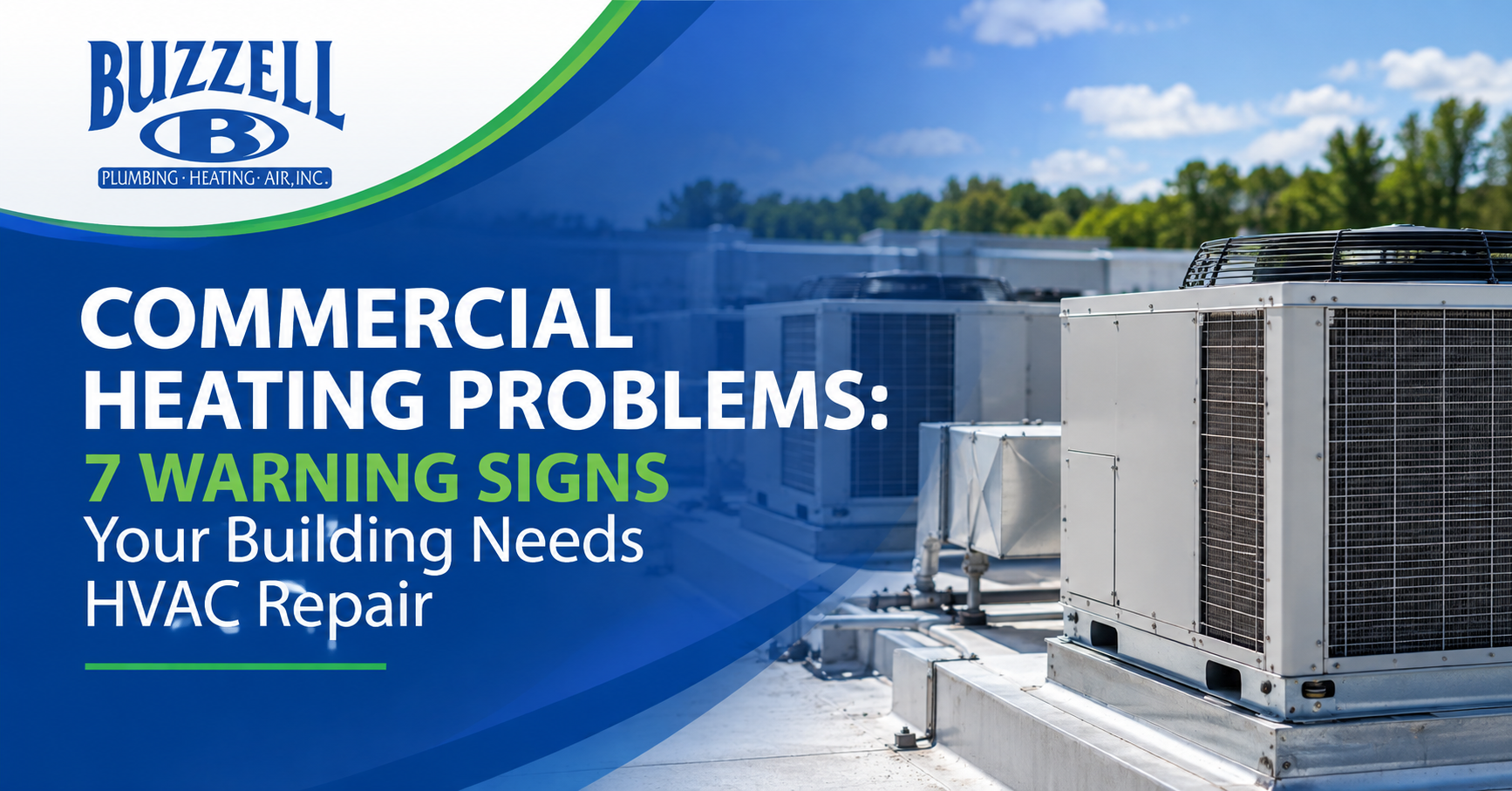
For many businesses, commercial HVAC systems operate quietly in the background until something goes wrong. As long as the building stays comfortable, it is easy to assume the system is running efficiently. However, commercial HVAC problems often develop gradually over time, leading to higher energy bills, expensive repairs, reduced comfort, and unnecessary strain on equipment. An inefficient HVAC system can quietly increase operational costs month after month. For office buildings, retail spaces, warehouses, restaurants, medical facilities, and industrial properties, these costs can add up quickly. Recognizing the warning signs early can help businesses reduce expenses, improve system performance, and avoid major disruptions. Rising Utility Bills Without Increased Usage One of the clearest signs your commercial HVAC system may be costing too much is a noticeable increase in energy bills without major changes in building occupancy or usage. Commercial HVAC systems account for a significant portion of a building’s energy consumption. When components become dirty, worn, or outdated, the system must work harder to maintain the desired temperature. This increased workload leads directly to higher operating costs. Several issues can contribute to declining efficiency, including: Dirty Coils and Filters Dust and debris restrict airflow and reduce heat transfer efficiency. This forces HVAC units to run longer cycles to achieve the same level of cooling or heating. Aging Equipment Older rooftop units and HVAC systems naturally lose efficiency over time. Even if they still function, they may consume far more energy than newer commercial systems. Refrigerant Problems Low refrigerant levels or leaks reduce cooling performance and place additional stress on compressors and other components. Faulty Thermostats or Controls Inaccurate temperature readings or outdated building controls can cause systems to overrun unnecessarily. If utility costs continue climbing despite normal business operations, it may be time for a commercial HVAC inspection. Frequent Repairs and Service Calls Occasional HVAC repairs are normal, especially in large commercial buildings. However, frequent breakdowns often indicate larger underlying issues. Businesses that repeatedly pay for emergency service calls may actually spend more over time than they would on system upgrades or proactive maintenance. Recurring repairs can also create operational disruptions that affect employees, customers, and tenants. Common warning signs include: Constant thermostat issues Repeated refrigerant leaks Electrical failures Blower motor problems Compressor issues Frequent system shutdowns Uneven heating or cooling As HVAC systems age, components wear out faster and become less reliable. In many cases, businesses continue investing in repairs without realizing how much downtime and inefficiency are costing them. Tracking repair frequency and maintenance expenses can help determine whether a system is becoming financially inefficient. Uneven Temperatures Throughout the Building Hot and cold spots throughout a commercial property are often signs of airflow or HVAC performance problems. Employees working in uncomfortable conditions may become distracted or less productive, while customers may view inconsistent temperatures as a reflection of poor building maintenance. In certain industries such as healthcare, hospitality, or food service, temperature control is especially important. Uneven temperatures can result from: Ductwork Leaks or Restrictions Damaged or poorly sealed ductwork allows conditioned air to escape before reaching occupied spaces. Failing HVAC Components Blower motors, dampers, and compressors that are not operating properly can reduce airflow and temperature consistency. Improper System Sizing Commercial buildings that have undergone renovations or occupancy changes may have HVAC systems that no longer match the building’s needs. Poor Building Automation Settings Incorrect zoning or scheduling settings can create temperature imbalances across different areas of the property. When certain rooms consistently feel warmer or cooler than others, the HVAC system may be operating inefficiently and wasting energy. HVAC Systems Running Constantly Commercial HVAC systems should cycle on and off throughout the day based on building demand. If units seem to run constantly without reaching the desired temperature, this often points to efficiency issues. Continuous operation increases wear and tear on equipment while significantly increasing energy consumption. Potential causes include: Dirty evaporator or condenser coils Refrigerant leaks Airflow restrictions Failing compressors Poor insulation within the building Thermostat calibration issues Constant operation may temporarily maintain comfort levels, but it places excessive strain on the system and shortens equipment lifespan. Poor Indoor Air Quality Commercial HVAC systems do more than regulate temperature. They also play a major role in indoor air quality. When ventilation systems are not functioning properly, businesses may notice: Increased dust buildup Stale or musty odors Excess humidity Employee complaints about allergies or headaches Poor airflow Mold or mildew concerns Dirty filters, clogged ducts, poor ventilation, and neglected maintenance can all contribute to unhealthy indoor environments. Poor indoor air quality can negatively impact employee wellness, customer experience, and even overall productivity. Businesses that prioritize HVAC maintenance often see improvements in both comfort and operational performance. Your Commercial HVAC System Is Nearing the End of Its Lifespan Most commercial HVAC systems have a general lifespan of 15 to 20 years depending on maintenance, usage, and environmental conditions. As systems age, they become less efficient and more expensive to maintain. Older commercial units often: Require more frequent repairs Consume more energy Struggle to maintain consistent temperatures Use outdated refrigerants Lack modern efficiency features While replacing a commercial HVAC system is a major investment, continuing to operate an outdated system can become even more expensive over time. Modern commercial HVAC systems offer improved energy efficiency, better building controls, enhanced zoning capabilities, and lower operating costs. Businesses that upgrade aging equipment often experience long-term savings through reduced utility bills and fewer repair expenses. The Value of Proactive Commercial HVAC Maintenance Many costly HVAC issues can be prevented through routine maintenance and regular inspections. Preventative maintenance helps businesses: Identify problems early Improve energy efficiency Extend equipment lifespan Reduce emergency repairs Maintain consistent indoor comfort Improve indoor air quality Lower long-term operating costs Routine commercial HVAC maintenance typically includes filter replacements, coil cleaning, refrigerant checks, electrical inspections, airflow testing, thermostat calibration, and system performance evaluations. Rather than waiting for a major breakdown, proactive maintenance allows businesses to address smaller issues before they become expensive disruptions. Final Thoughts Commercial HVAC systems are one of the most important operational components in any business facility. When systems become inefficient, businesses often pay the price through higher energy bills, recurring repairs, reduced comfort, and unexpected downtime. Warning signs such as rising utility costs, uneven temperatures, constant system operation, and poor indoor air quality should never be ignored. Addressing these issues early can help businesses improve efficiency, protect equipment, and reduce long-term expenses. Regular commercial HVAC maintenance and system evaluations provide valuable insight into how well equipment is performing and whether improvements may be needed. Investing in HVAC efficiency today can help businesses avoid much larger costs in the future. 
By Lauren Scott May 21, 2026
Learn how often Georgia homeowners should service their HVAC systems to improve efficiency, prevent breakdowns, lower energy bills, and extend equipment lifespan.
By Lauren Scott May 14, 2026
Stay cool this summer with expert AC repair in Warner Robins, GA. Learn the top warning signs your air conditioner may need professional service.
energy myths that make your utility bills higher
May 5, 2026
Learn how to lower utility bills by avoiding common energy myths. Discover simple, practical tips to reduce energy waste and cut monthly costs.
Raindrops on a window with a blurred green background of foliage.
By Buzzell Plumbing September 18, 2025
Excess moisture forces your AC to work harder to keep your home cool, which can reduce efficiency, increase energy costs and shorten the lifespan of your system.
Bathroom with a dark wooden vanity, glass shower, and a mosaic accent tile.
By Buzzell September 18, 2025
While the occasional sound may seem harmless, bubbling can actually be a sign of an underlying issue in your drain or vent system.
Mold growth on a light-colored surface, with patches of black and grey discoloration.
By Buzzell August 20, 2025
Mold is attracted to moisture, which can linger inside your ducts if there’s excess condensation. Oftentimes, this is the result of a leak within the ductwork.
A plumber in white gloves using a wrench to adjust a sink drain pipe under a black and white sink.
By Buzzell August 20, 2025
Although these items are commonly found in bathrooms, that doesn’t mean they should be flushed. These products don’t break down like toilet paper and can clogs.