The Dangers of Sewage Backup and How to Deal with It

April 4, 2024

Sewage backup can be a distressing and potentially hazardous problem for homeowners. When the sewer system fails, sewage doesn't flow as it should, resulting in a backup that can lead to significant property damage and pose serious health risks. In this article, we shall delve into the causes, health hazards, signs of sewage backup, the immediate steps to take when a backup occurs, and the importance of professional cleanup services. We'll also discuss preventive measures to apply and how to handle insurance claims, along with community resources and support.


Sewage Backup: Understanding the Risks and Consequences


A sewage backup occurs when wastewater reverses and flows back into your home via toilets, sinks, and drains. This is not an issue to be taken lightly. The water from a sewage backup, often called "black water," is heavily contaminated with numerous harmful substances, including bacteria, viruses, fungi, and parasites. Contact with, or even proximity to, this contaminated water can pose serious health threats.


Common Causes of Sewage Backup: Identifying Potential Culprits in Your Plumbing System


Understanding the causes of sewage backup can help prevent its occurrence. Several factors can contribute to a sewage backup.


Blocked Sewer Lines


One of the most common causes of sewage backup is blocked sewer lines. These blockages often result from improper disposal of fats, oils, grease, and non-flushable items like diapers and wipes.


Tree Root Intrusions


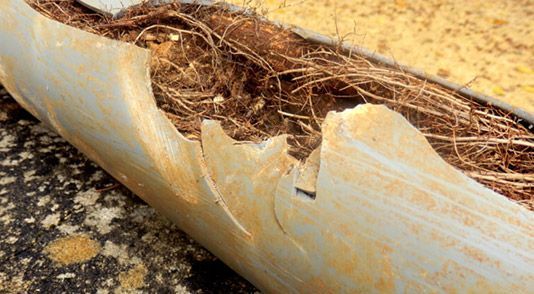
Tree roots can infiltrate sewer lines, causing significant blockages. As roots seek moisture, they can grow into the joints of the sewer pipes, leading to cracks and blockages over time.


Aging Pipes and Corrosion


Older sewer systems can be prone to corrosion and deterioration, leading to leaks or complete pipe collapse. These problems can cause significant backups and may require extensive repairs or even replacement of the sewer lines.


Health Hazards Associated with Sewage Backup: Recognizing the Importance of Prompt Action


Exposure to sewage can lead to many health issues, primarily due to the harmful bacteria and toxins it contains.


Bacterial Contamination


Sewage water is teeming with harmful bacteria such as E. coli and salmonella. These bacteria can cause illnesses ranging from minor skin infections to serious gastrointestinal issues.


Mold and Mildew Growth


The damp conditions a sewage backup creates provide the perfect environment for mold and mildew to thrive. Mold exposure can lead to respiratory problems, allergic reactions, and other health issues.


Respiratory Issues and Allergies


The odors and gasses released by a sewage backup can irritate the respiratory system, potentially exacerbating asthma and allergies


Signs of Sewage Backup: Knowing When to Take Action


Recognizing the early signs of a sewage backup is crucial to mitigate the damage and health risks.


Foul Odors


A strong, unpleasant odor emanating from your drains or fixtures is often a sign of a sewage backup.


Slow Draining Fixtures


If your sinks, bathtubs, or toilets are draining more slowly than usual, this could indicate a blockage in your sewer line.


Water Backup in Drains and Toilets


If you notice water backing up into your drains or toilets or water pooling around the base of your toilets, this is a strong indication of a sewage backup.


Immediate Steps to Take: Mitigating Damage and Ensuring Safety


In the event of a sewage backup, immediate action is crucial to mitigate the damage and ensure the safety of your household.


Turning Off the Water Supply


Firstly, stop using all water fixtures and turn off the main water supply to prevent further wastewater from entering your home's drainage system.


Avoiding Contact with Contaminated Water


Avoid direct contact with sewage water. If you must enter the affected area, wear protective clothing, including rubber gloves and boots, and avoid touching your face.


Calling Professional Help


Contact a professional sewage cleanup service as soon as possible. These experts have the training and equipment to safely clean and disinfect the affected area, reducing the risk of health hazards.


Professional Sewage Cleanup Services: The Importance of Expertise and Equipment


Cleaning up after a sewage backup is not a task for the untrained. It requires professional expertise and specialized equipment to ensure a thorough and safe cleanup.


Emergency Response Teams


Professional sewage cleanup services offer rapid response to emergencies, often available 24/7. They can quickly assess the situation, contain the affected area, and begin cleaning.


Water Extraction and Sanitization


Professionals can efficiently extract the sewage water from your property using powerful pumps and vacuums. They will then thoroughly sanitize the area using industrial-grade disinfectants to kill any remaining bacteria and other harmful substances.


Restoration and Repairs


Once the area is cleaned and sanitized, the restoration process can begin. This may involve repairing or replacing damaged walls, floors, and other structures. Some professional cleanup services also offer mold remediation to prevent future mold growth.


Preventing Sewage Backup: Proactive Measures to Safeguard Your Property


Prevention is always better than cure. Here are some measures to prevent sewage backups in your home.


Regular Plumbing Inspections


Routine inspections of your plumbing system can help identify potential issues before they escalate. This includes checking for blockages, tree root intrusions, and signs of pipe deterioration.


Tree Root Removal


If you have trees near your home, consider having their roots professionally inspected and removed if they pose a risk to your sewer lines.


Installing Backwater Valves


A backwater valve is installed in a sewer line that allows sewage to flow out of your home but prevents it from flowing back in. This can be particularly useful in areas prone to heavy rain and floods.


Dealing with Insurance Claims: Navigating the Process for Coverage and Compensation

If a sewage backup occurs in your home, contact your homeowner's insurance provider immediately. They can guide you through the claims process and help you understand what damages are covered under your policy.

Insurance Claims

Documenting Damage


Take photographs of the affected area and any damaged items for documentation. This will be useful when filing your insurance claim.


Communicating with Insurance Adjusters


An insurance adjuster will typically visit your property to assess the damage. It is important to communicate effectively with the adjuster and provide all necessary documentation to support your claim.


Understanding Policy Coverage


Not all homeowner's insurance policies cover sewage backup damage. It's important to review your policy and understand what is covered. In some cases, you may need to purchase additional coverage.


Community Resources and Support: Seeking Assistance and Guidance


Your local health department, nonprofit organizations, and support groups can provide valuable resources and assistance after a sewage backup.


Local Health Departments


Your local health department can provide guidelines on properly cleaning up after a sewage backup to minimize health risks. They may also offer resources for testing your home for bacteria and mold after the cleanup.


Nonprofit Organizations


Several nonprofit organizations offer disaster relief services, including cleaning supplies, financial assistance, and volunteer cleanup crews.


Support Groups


Dealing with a sewage backup can be a stressful and emotionally draining experience. Support groups can provide a platform to share your experiences, gain emotional support, and receive practical advice and resources.


Taking Control of Sewage Backup Risks with Buzzell Plumbing


Understanding and addressing the dangers of sewage backup is critical. You can prevent sewage backups and safeguard your property by taking proactive measures. However, if a backup does occur, it's crucial to act promptly and engage professional cleanup services to mitigate health risks and property damage.


At
Buzzell Plumbing, we are committed to helping homeowners in Warner Robins and Macon, GA, tackle sewage backup issues. Our team of experts is available for 24-hour HVAC repair and other services, providing prompt and professional assistance when you need it most. If you're facing a sewage backup issue, please get in touch with us. We're here to help.
By Anel Ganic June 30, 2026
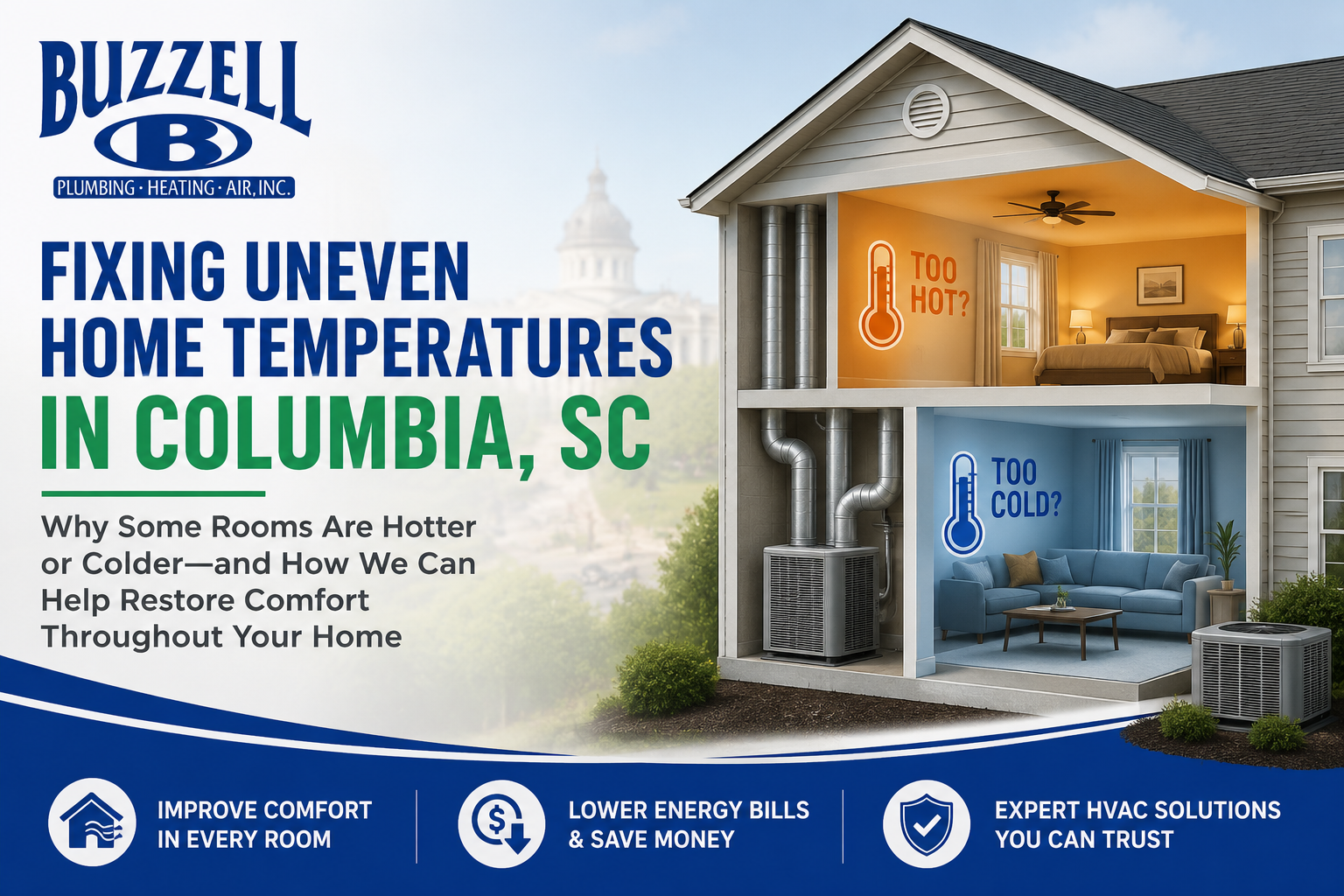
Wondering why your upstairs is always hot? Learn the common causes of uneven cooling and how Buzzell Plumbing, Heating & Air can restore comfort.
By Lauren Scott June 18, 2026
Why is your toilet gurgling? Learn the common plumbing issues behind bubbling toilets, warning signs to watch for, and when to call a plumber.
By Lauren Scott June 8, 2026
Summer energy bills rising even though your HVAC system seems fine? Learn the hidden causes of cooling inefficiency and how homeowners can reduce costs.
By Lauren Scott June 3, 2026
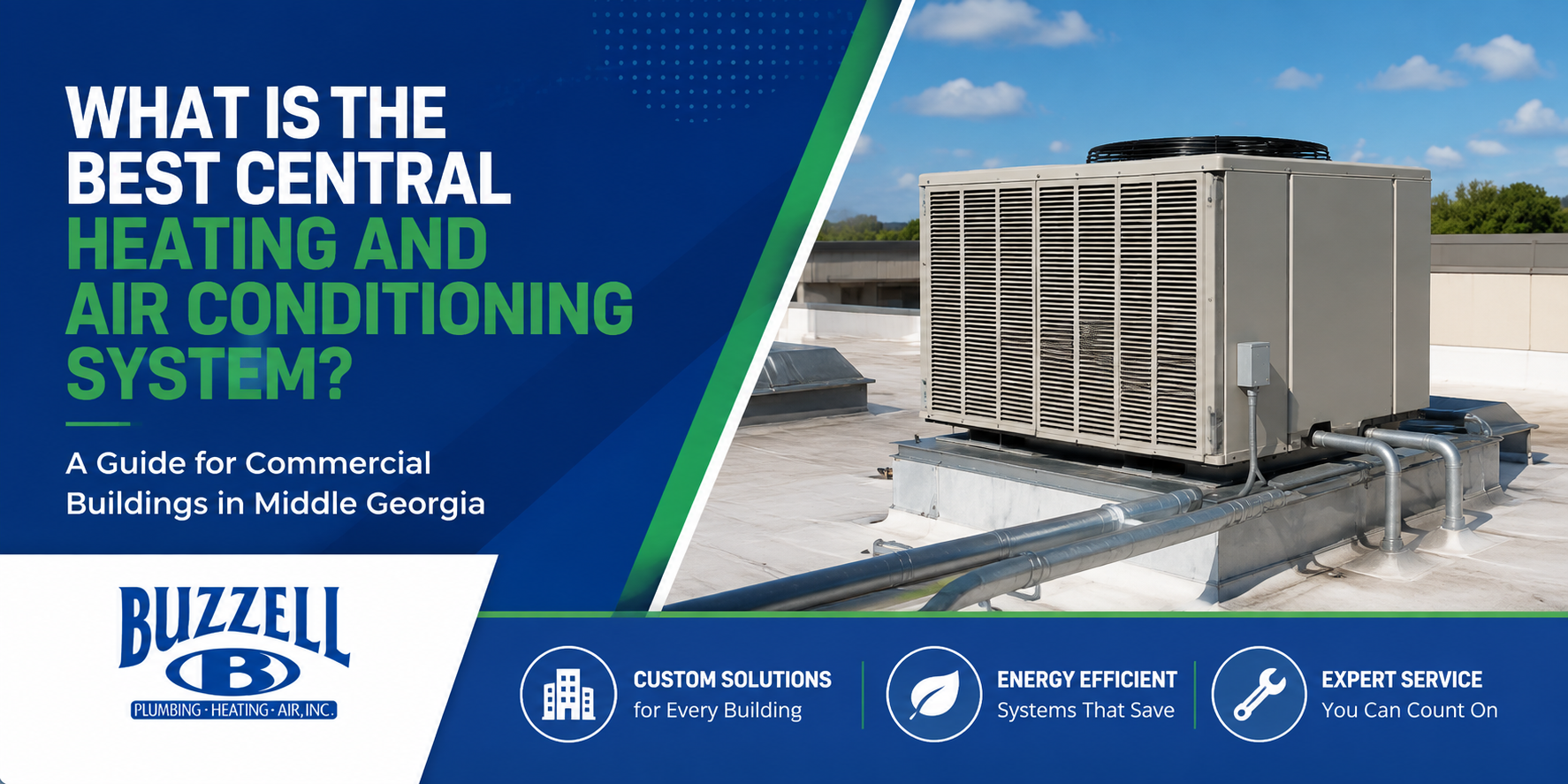
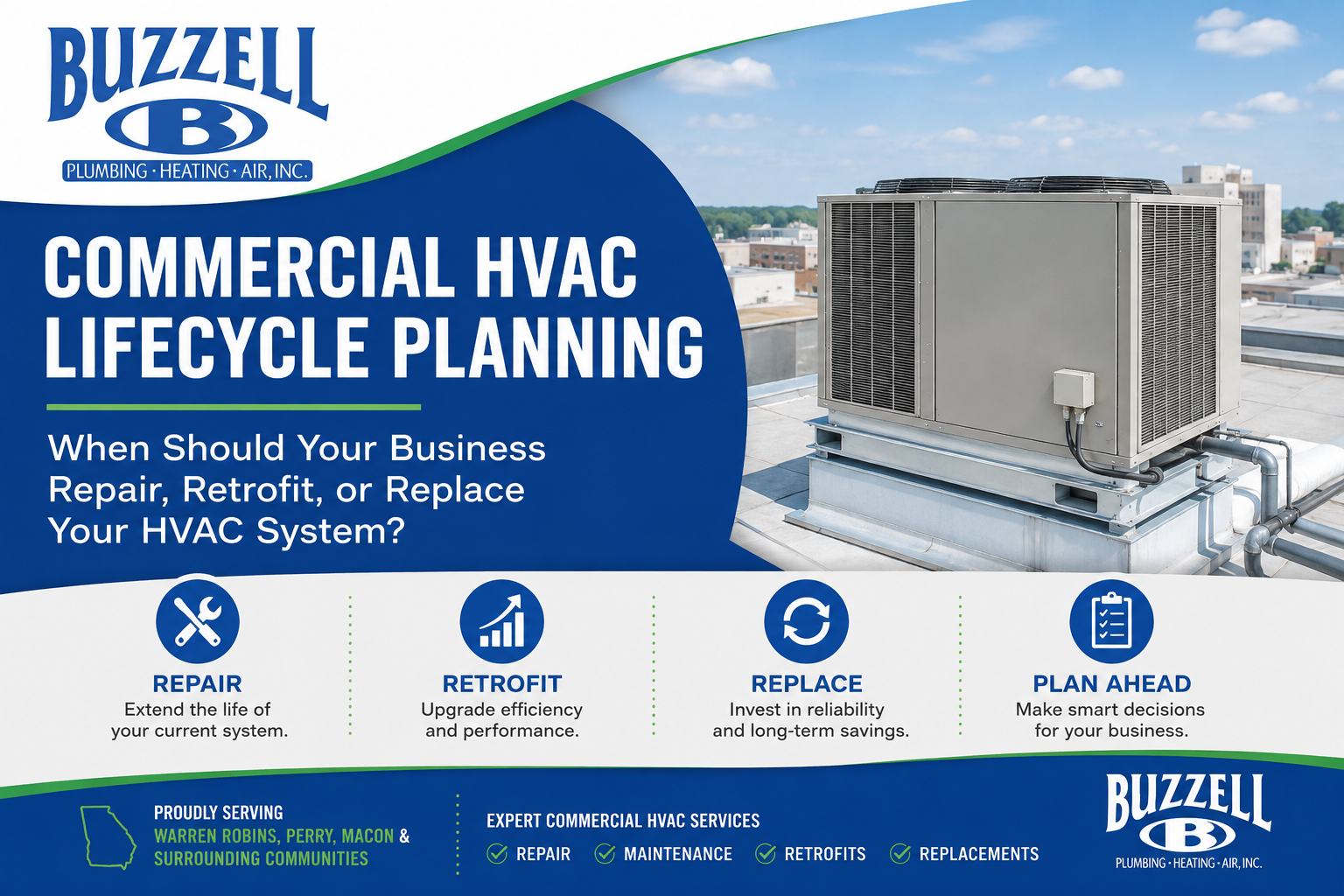
The Hidden Cost of Deferred Commercial HVAC Maintenance For many businesses, HVAC maintenance is easy to push down the priority list. As long as the system is heating and cooling the building, it may seem like there is no urgent reason to schedule service. However, delaying routine commercial HVAC maintenance often creates costs that far exceed the price of preventive care. What starts as a minor issue can quickly develop into a major repair, unexpected downtime, rising energy bills, or even premature equipment replacement. For commercial facilities, the financial impact of deferred maintenance extends well beyond the HVAC system itself. Understanding these hidden costs can help business owners and facility managers make more informed decisions about protecting their buildings and budgets. Small Problems Become Expensive Repairs Commercial HVAC systems are complex pieces of equipment with numerous moving parts that operate for long hours throughout the year. Over time, components naturally experience wear and tear. Routine maintenance is designed to identify and address small issues before they become significant problems. A worn belt, dirty coil, clogged drain line, or failing electrical connection may not immediately affect system performance, but these issues rarely improve on their own. Without regular inspections, minor concerns can place additional strain on other components, leading to larger failures and more expensive repairs. A simple maintenance visit that could have corrected a small issue may ultimately prevent a costly emergency service call or equipment breakdown. Rising Energy Costs Often Go Unnoticed One of the most common hidden expenses associated with deferred HVAC maintenance is increased energy consumption. When HVAC systems are not properly maintained, they must work harder to deliver the same level of comfort. Dirty filters restrict airflow, debris-covered coils reduce heat transfer efficiency, and improperly calibrated controls can cause equipment to run longer than necessary. These inefficiencies may seem insignificant on a daily basis, but they add up over time. Businesses often experience higher utility costs without realizing that neglected maintenance is contributing to the problem. For facilities with large rooftop units, multiple zones, or extensive operating hours, even small efficiency losses can translate into substantial annual energy expenses. Unexpected Downtime Disrupts Business Operations Few facility issues are more disruptive than an unexpected HVAC failure. When heating or cooling systems stop working, the consequences often extend beyond occupant comfort. Employees may struggle to remain productive in uncomfortable temperatures. Customers may choose to leave or avoid returning. Sensitive equipment, inventory, or technology may be exposed to conditions outside recommended operating ranges. For healthcare facilities, retail locations, office buildings, warehouses, and manufacturing environments, HVAC downtime can create significant operational challenges. Emergency repairs are typically more expensive than scheduled maintenance and often occur at the least convenient times. Preventive maintenance helps reduce the likelihood of these unexpected disruptions while improving overall system reliability. Equipment Lifespan Can Be Significantly Reduced Commercial HVAC systems represent a substantial capital investment. Business owners naturally want to maximize the lifespan of their equipment before replacement becomes necessary. Deferred maintenance can shorten that lifespan considerably. When systems operate under constant strain due to dirty components, airflow restrictions, refrigerant issues, or neglected mechanical wear, critical equipment ages more rapidly. Compressors, motors, fans, and other major components are forced to work harder than intended. As a result, businesses may find themselves replacing expensive equipment years earlier than expected. A well-maintained commercial HVAC system often delivers better performance and remains operational longer, helping organizations maximize their return on investment. Indoor Air Quality Can Suffer Today's businesses place increasing importance on creating healthy, comfortable indoor environments for employees, customers, and visitors. HVAC systems play a critical role in maintaining indoor air quality. When maintenance is neglected, dust, debris, allergens, and other contaminants can accumulate within the system and circulate throughout the building. Poor ventilation, dirty filters, and neglected components may contribute to uncomfortable indoor conditions and reduced air quality. In office environments, this can impact employee comfort and satisfaction. In healthcare, education, and customer-facing facilities, indoor air quality concerns can affect both occupants and business reputation. Routine maintenance helps ensure HVAC systems continue supporting a cleaner and healthier indoor environment. Budgeting Becomes More Difficult One of the advantages of preventive maintenance is predictability. Scheduled maintenance programs allow facility managers and business owners to plan for service costs throughout the year. Deferred maintenance often produces the opposite result. Instead of manageable maintenance expenses, businesses face unexpected repair bills, emergency service calls, equipment failures, and potential replacement costs. These unplanned expenses can place strain on operational budgets and complicate long-term facility planning. Organizations that invest in regular maintenance often experience fewer financial surprises and greater control over their building-related expenses. Compliance and Safety Concerns May Increase Depending on the industry, HVAC system performance may influence compliance requirements, safety standards, or operational regulations. Temperature control, ventilation, humidity management, and indoor air quality can all play important roles in maintaining compliant facilities. When maintenance is delayed, businesses may increase the risk of operational issues that affect these requirements. Routine inspections help identify concerns before they create larger compliance, safety, or operational challenges. A Proactive Approach Delivers Long-Term Value Commercial HVAC maintenance is often viewed as an expense, but in reality, it is an investment in the performance, efficiency, and longevity of a building's critical systems. By addressing small issues early, improving energy efficiency, reducing downtime, extending equipment life, and supporting occupant comfort, preventive maintenance can help businesses avoid many of the hidden costs associated with neglect. The goal is not simply to keep equipment running today. It is to ensure reliable performance, predictable operating costs, and long-term value for years to come. Protect Your Commercial HVAC Investment  Your HVAC system is one of the most important assets in your facility. Routine maintenance can help reduce costly repairs, improve efficiency, and keep your building operating at its best. Buzzell provides commercial HVAC maintenance, repair, and system support services designed to help businesses maximize performance while minimizing unexpected disruptions. Contact our team today to learn how a proactive maintenance strategy can help protect your facility and your bottom line.
By Lauren Scott May 27, 2026
Reduce costly downtime and energy waste by learning the warning signs of an inefficient commercial HVAC system before repairs become expensive.
By Lauren Scott May 21, 2026
Learn how often Georgia homeowners should service their HVAC systems to improve efficiency, prevent breakdowns, lower energy bills, and extend equipment lifespan.
By Lauren Scott May 14, 2026
Stay cool this summer with expert AC repair in Warner Robins, GA. Learn the top warning signs your air conditioner may need professional service.
energy myths that make your utility bills higher
May 5, 2026
Learn how to lower utility bills by avoiding common energy myths. Discover simple, practical tips to reduce energy waste and cut monthly costs.
Raindrops on a window with a blurred green background of foliage.
By Buzzell Plumbing September 18, 2025
Excess moisture forces your AC to work harder to keep your home cool, which can reduce efficiency, increase energy costs and shorten the lifespan of your system.
Bathroom with a dark wooden vanity, glass shower, and a mosaic accent tile.
By Buzzell September 18, 2025
While the occasional sound may seem harmless, bubbling can actually be a sign of an underlying issue in your drain or vent system.