Why Your Shower Drain is Running Slow and How Our Repair Services Can Help

August 21, 2024

Nothing beats stepping into a refreshing shower after a tough day at work or running errands. But that relaxing ritual can turn sour if you are standing in murky, still water because of a slow drain. Buzzell Plumbing knows how annoying this common house problem can be. That's why we offer full drain cleaning and repair services to people living in Warner Robins and Macon, GA.


Common Causes of Slow Shower Drains


Before we explore the solutions, we need to understand what causes slow-running shower drains. Hair, soap scum, and personal care products like shampoo, conditioner, and body wash often build up in drains. These materials can create a sticky, stubborn blockage that clogs the drain and slows water flow.


Hair and soap scum are the main problems, but other things can also make drains slow. For example, mineral deposits from hard water can coat the inside of pipes over time. This narrows the pipes and limits water flow. Installing wrong pipes or old plumbing systems can cause drainage problems.


Less Common but Serious Issues


Sometimes, slow shower drains can point to bigger issues, such as:


  • Tree root invasion: Trees or bushes can grow roots that break into underground pipes, blocking them and slowing water flow.
  • Pipes that have fallen apart or cracked: As pipes age, they can wear out, break, or cave in, causing blockages and drainage issues.
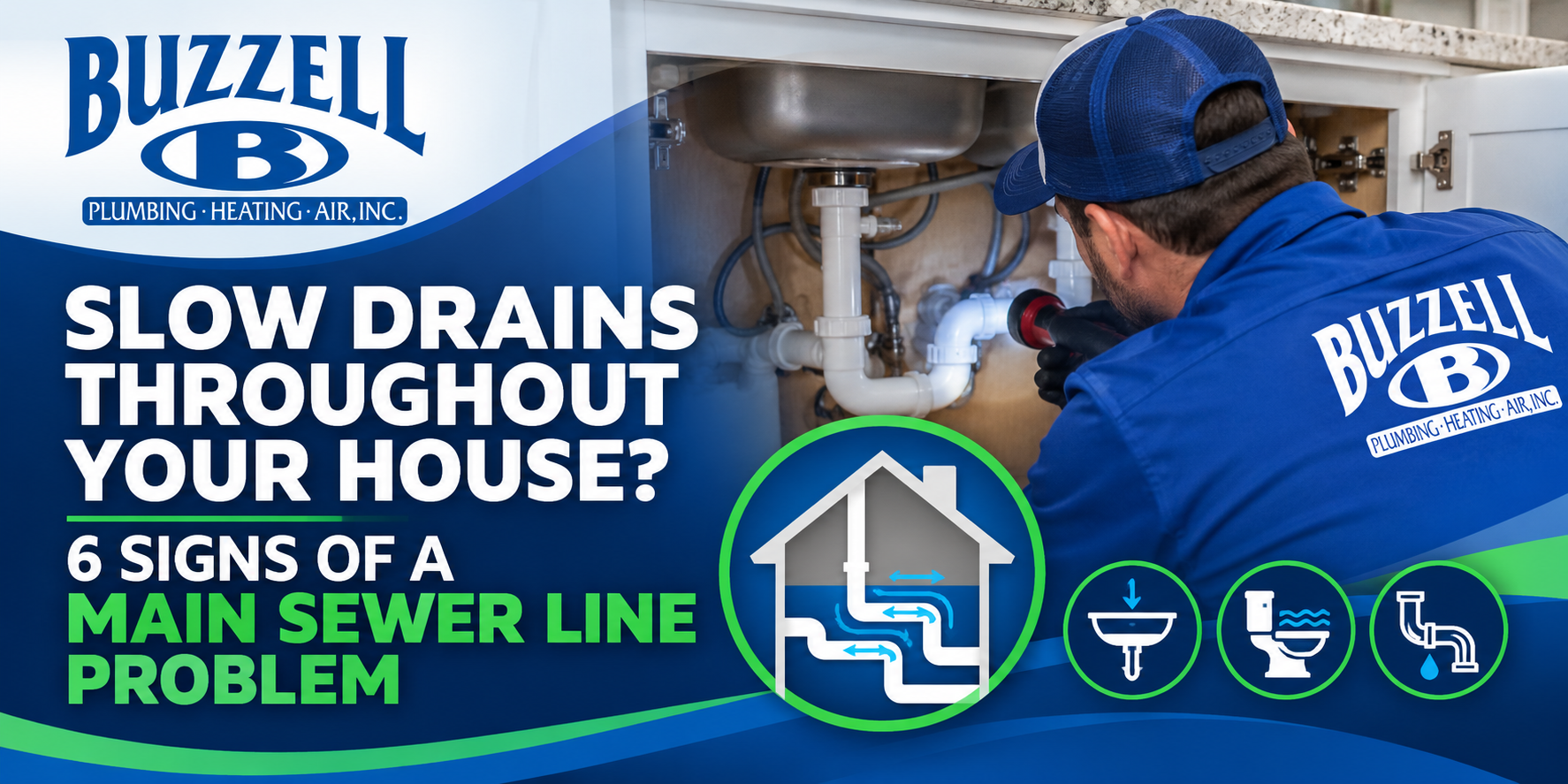
  • Clogs in the main sewer line: If you notice several drains in your house are slow, it might mean your main sewer line has a blockage. This needs a pro to fix it.


It's key to spot and deal with these underlying problems to prevent further damage and keep your plumbing working properly.


DIY Fixes vs. Calling a Pro


When your shower drain runs slow, try fixing it yourself before calling a pro. These home fixes can clear small blockages, but they might not solve bigger or trickier problems for good.


Easy Home Fixes


Here are some DIY methods you can use to clear a clogged shower drain:


  • Boiling water: Pouring one or two kettles of hot water into the drain can help break up and remove small clogs from hair, soap buildup, or grease.
  • Plunger: A plunger creates suction and pressure to push out blockages in the drain pipe.
  • Baking soda and vinegar: This kitchen combo can clean drains well. Mix the same amount of baking soda and vinegar, pour it down the drain, wait for it to bubble for a bit, and rinse with hot water.


These DIY fixes might give you a quick fix, but they only sometimes solve the real problem. This is true if the blockage is deep in your pipes or stems from bigger issues like damaged pipes or tree roots growing into them.


When to Call the Professionals


If your DIY attempts don't work or if you spot other worrying signs, such as several slow-draining sinks, water backing up, or strange smells, it's time to get expert help. Avoid less extreme DIY methods, like pouring harsh chemicals down the drain or sticking sharp things into the pipes. These can cause more harm than good and may even lead to more serious and costly plumbing issues. Instead, trust the professionals at Buzzell Plumbing to handle the job safely and effectively.


At Buzzell Plumbing, our skilled plumbers have the tools and know-how to fix even the toughest drain blockages and wells.


How Buzzell Plumbing Can Help


When you choose Buzzell Plumbing to clean and fix your drains, you'll get a full and quick service that fits your needs. Our team of expert plumbers, with their top-notch tools and methods, will ensure the problem is solved permanently, giving you the assurance of a job well done.


Drain Cleaning and Repair Services


We offer these drain cleaning and repair services:


  • Motorized drain augers: These bendy, snake-like tools can wind through pipes and break up even the hardest clogs. They get rid of hair, soap scum, and other junk that's stuck in there.
  • High-definition camera inspections: Our techs can put a special camera into your pipes to see where the blockage is and what's causing it. This helps us fix the problem right where it needs fixing.
  • Hydro-jetting: We use high-pressure water jets when normal methods don't work on tough clogs or buildup. These jets blast the pipes' insides clean, removing all the gunk and making water flow again.
  • Pipe repair and replacement: When pipes get damaged, crack, or collapse, our team can fix or replace them to ensure your plumbing system works well again.


When you choose Buzzell Plumbing, you can be confident that we'll fix your slow shower drain and cause minimal disturbance to your daily life. Our commitment to customer satisfaction, local expertise, and high-quality services make us the best choice for all your plumbing needs in Warner Robins and Macon, GA.

Preventative Measures


We're always ready to clean and repair your drains at Buzzell Plumbing. But we also want to give our customers the knowledge and strategies to keep their plumbing systems in good shape for a long time.

Shower Drain

Regular Cleaning and Maintenance


To prevent slow shower drains, one of the best things you can do is to clean them. This can include:


  • Removing visible hair and junk: After you shower take a minute to clear any hair or gunk you can see from the drain cover and around it.
  • Putting in drain guards or hair traps: Setting up a drain guard or hair trap can stop bigger bits from getting in and blocking the drain.
  • Regular drain cleaning: Consider booking regular drain cleaning with Buzzell Plumbing to eliminate any buildup before it becomes a big problem.


Ongoing Help and Upkeep


At Buzzell Plumbing, we know plumbing systems need constant care. We offer full maintenance services to keep your drains working well. Our team checks, cleans, and fixes problems to prevent future clogs and extend the life of your plumbing.


You can relax knowing experts handle your plumbing when you work with Buzzell Plumbing for upkeep.


Why Pick Buzzell Plumbing


People trust Buzzell Plumbing for plumbing help in Warner Robins and Macon, GA. Here's why our customers keep coming back:


We Know the Area


As a local business, we know the plumbing issues homeowners in Warner Robins and Macon face. Our team understands the area's water quality, soil conditions, and other factors affecting plumbing, allowing us to offer custom solutions to meet your needs.


Commitment to Customer Satisfaction


At Buzzell Plumbing, we care most about making our customers happy. We take pride in our work and aim to give great service on every job. Our friendly, skilled technicians focus on clear communication, honest pricing, and quick, effective fixes for your plumbing problems, ensuring you feel valued and important.


A slow shower drain can make a nice shower annoyingly fast. You might try to fix it yourself for a quick solution, but to solve the problem, you often need plumbers with special tools and know-how.


At Buzzell Plumbing, we know how much a working plumbing system matters. We're committed to giving our Warner Robins and Macon GA customers quick, dependable, and successful drain cleaning and repair. Our expert team uses cutting-edge tools and methods to find and fix even the toughest clogs, ensuring the solution lasts.


Don't let a slow shower drain mess up your daily life anymore. Contact Buzzell Plumbing now to book your service and experience the relief that comes with a plumbing system that works right.
By Lauren Scott June 8, 2026
Summer energy bills rising even though your HVAC system seems fine? Learn the hidden causes of cooling inefficiency and how homeowners can reduce costs.
By Lauren Scott June 3, 2026
The Hidden Cost of Deferred Commercial HVAC Maintenance For many businesses, HVAC maintenance is easy to push down the priority list. As long as the system is heating and cooling the building, it may seem like there is no urgent reason to schedule service. However, delaying routine commercial HVAC maintenance often creates costs that far exceed the price of preventive care. What starts as a minor issue can quickly develop into a major repair, unexpected downtime, rising energy bills, or even premature equipment replacement. For commercial facilities, the financial impact of deferred maintenance extends well beyond the HVAC system itself. Understanding these hidden costs can help business owners and facility managers make more informed decisions about protecting their buildings and budgets. Small Problems Become Expensive Repairs Commercial HVAC systems are complex pieces of equipment with numerous moving parts that operate for long hours throughout the year. Over time, components naturally experience wear and tear. Routine maintenance is designed to identify and address small issues before they become significant problems. A worn belt, dirty coil, clogged drain line, or failing electrical connection may not immediately affect system performance, but these issues rarely improve on their own. Without regular inspections, minor concerns can place additional strain on other components, leading to larger failures and more expensive repairs. A simple maintenance visit that could have corrected a small issue may ultimately prevent a costly emergency service call or equipment breakdown. Rising Energy Costs Often Go Unnoticed One of the most common hidden expenses associated with deferred HVAC maintenance is increased energy consumption. When HVAC systems are not properly maintained, they must work harder to deliver the same level of comfort. Dirty filters restrict airflow, debris-covered coils reduce heat transfer efficiency, and improperly calibrated controls can cause equipment to run longer than necessary. These inefficiencies may seem insignificant on a daily basis, but they add up over time. Businesses often experience higher utility costs without realizing that neglected maintenance is contributing to the problem. For facilities with large rooftop units, multiple zones, or extensive operating hours, even small efficiency losses can translate into substantial annual energy expenses. Unexpected Downtime Disrupts Business Operations Few facility issues are more disruptive than an unexpected HVAC failure. When heating or cooling systems stop working, the consequences often extend beyond occupant comfort. Employees may struggle to remain productive in uncomfortable temperatures. Customers may choose to leave or avoid returning. Sensitive equipment, inventory, or technology may be exposed to conditions outside recommended operating ranges. For healthcare facilities, retail locations, office buildings, warehouses, and manufacturing environments, HVAC downtime can create significant operational challenges. Emergency repairs are typically more expensive than scheduled maintenance and often occur at the least convenient times. Preventive maintenance helps reduce the likelihood of these unexpected disruptions while improving overall system reliability. Equipment Lifespan Can Be Significantly Reduced Commercial HVAC systems represent a substantial capital investment. Business owners naturally want to maximize the lifespan of their equipment before replacement becomes necessary. Deferred maintenance can shorten that lifespan considerably. When systems operate under constant strain due to dirty components, airflow restrictions, refrigerant issues, or neglected mechanical wear, critical equipment ages more rapidly. Compressors, motors, fans, and other major components are forced to work harder than intended. As a result, businesses may find themselves replacing expensive equipment years earlier than expected. A well-maintained commercial HVAC system often delivers better performance and remains operational longer, helping organizations maximize their return on investment. Indoor Air Quality Can Suffer Today's businesses place increasing importance on creating healthy, comfortable indoor environments for employees, customers, and visitors. HVAC systems play a critical role in maintaining indoor air quality. When maintenance is neglected, dust, debris, allergens, and other contaminants can accumulate within the system and circulate throughout the building. Poor ventilation, dirty filters, and neglected components may contribute to uncomfortable indoor conditions and reduced air quality. In office environments, this can impact employee comfort and satisfaction. In healthcare, education, and customer-facing facilities, indoor air quality concerns can affect both occupants and business reputation. Routine maintenance helps ensure HVAC systems continue supporting a cleaner and healthier indoor environment. Budgeting Becomes More Difficult One of the advantages of preventive maintenance is predictability. Scheduled maintenance programs allow facility managers and business owners to plan for service costs throughout the year. Deferred maintenance often produces the opposite result. Instead of manageable maintenance expenses, businesses face unexpected repair bills, emergency service calls, equipment failures, and potential replacement costs. These unplanned expenses can place strain on operational budgets and complicate long-term facility planning. Organizations that invest in regular maintenance often experience fewer financial surprises and greater control over their building-related expenses. Compliance and Safety Concerns May Increase Depending on the industry, HVAC system performance may influence compliance requirements, safety standards, or operational regulations. Temperature control, ventilation, humidity management, and indoor air quality can all play important roles in maintaining compliant facilities. When maintenance is delayed, businesses may increase the risk of operational issues that affect these requirements. Routine inspections help identify concerns before they create larger compliance, safety, or operational challenges. A Proactive Approach Delivers Long-Term Value Commercial HVAC maintenance is often viewed as an expense, but in reality, it is an investment in the performance, efficiency, and longevity of a building's critical systems. By addressing small issues early, improving energy efficiency, reducing downtime, extending equipment life, and supporting occupant comfort, preventive maintenance can help businesses avoid many of the hidden costs associated with neglect. The goal is not simply to keep equipment running today. It is to ensure reliable performance, predictable operating costs, and long-term value for years to come. Protect Your Commercial HVAC Investment  Your HVAC system is one of the most important assets in your facility. Routine maintenance can help reduce costly repairs, improve efficiency, and keep your building operating at its best. Buzzell provides commercial HVAC maintenance, repair, and system support services designed to help businesses maximize performance while minimizing unexpected disruptions. Contact our team today to learn how a proactive maintenance strategy can help protect your facility and your bottom line.
By Lauren Scott May 27, 2026
For many businesses, commercial HVAC systems operate quietly in the background until something goes wrong. As long as the building stays comfortable, it is easy to assume the system is running efficiently. However, commercial HVAC problems often develop gradually over time, leading to higher energy bills, expensive repairs, reduced comfort, and unnecessary strain on equipment. An inefficient HVAC system can quietly increase operational costs month after month. For office buildings, retail spaces, warehouses, restaurants, medical facilities, and industrial properties, these costs can add up quickly. Recognizing the warning signs early can help businesses reduce expenses, improve system performance, and avoid major disruptions. Rising Utility Bills Without Increased Usage One of the clearest signs your commercial HVAC system may be costing too much is a noticeable increase in energy bills without major changes in building occupancy or usage. Commercial HVAC systems account for a significant portion of a building’s energy consumption. When components become dirty, worn, or outdated, the system must work harder to maintain the desired temperature. This increased workload leads directly to higher operating costs. Several issues can contribute to declining efficiency, including: Dirty Coils and Filters Dust and debris restrict airflow and reduce heat transfer efficiency. This forces HVAC units to run longer cycles to achieve the same level of cooling or heating. Aging Equipment Older rooftop units and HVAC systems naturally lose efficiency over time. Even if they still function, they may consume far more energy than newer commercial systems. Refrigerant Problems Low refrigerant levels or leaks reduce cooling performance and place additional stress on compressors and other components. Faulty Thermostats or Controls Inaccurate temperature readings or outdated building controls can cause systems to overrun unnecessarily. If utility costs continue climbing despite normal business operations, it may be time for a commercial HVAC inspection. Frequent Repairs and Service Calls Occasional HVAC repairs are normal, especially in large commercial buildings. However, frequent breakdowns often indicate larger underlying issues. Businesses that repeatedly pay for emergency service calls may actually spend more over time than they would on system upgrades or proactive maintenance. Recurring repairs can also create operational disruptions that affect employees, customers, and tenants. Common warning signs include: Constant thermostat issues Repeated refrigerant leaks Electrical failures Blower motor problems Compressor issues Frequent system shutdowns Uneven heating or cooling As HVAC systems age, components wear out faster and become less reliable. In many cases, businesses continue investing in repairs without realizing how much downtime and inefficiency are costing them. Tracking repair frequency and maintenance expenses can help determine whether a system is becoming financially inefficient. Uneven Temperatures Throughout the Building Hot and cold spots throughout a commercial property are often signs of airflow or HVAC performance problems. Employees working in uncomfortable conditions may become distracted or less productive, while customers may view inconsistent temperatures as a reflection of poor building maintenance. In certain industries such as healthcare, hospitality, or food service, temperature control is especially important. Uneven temperatures can result from: Ductwork Leaks or Restrictions Damaged or poorly sealed ductwork allows conditioned air to escape before reaching occupied spaces. Failing HVAC Components Blower motors, dampers, and compressors that are not operating properly can reduce airflow and temperature consistency. Improper System Sizing Commercial buildings that have undergone renovations or occupancy changes may have HVAC systems that no longer match the building’s needs. Poor Building Automation Settings Incorrect zoning or scheduling settings can create temperature imbalances across different areas of the property. When certain rooms consistently feel warmer or cooler than others, the HVAC system may be operating inefficiently and wasting energy. HVAC Systems Running Constantly Commercial HVAC systems should cycle on and off throughout the day based on building demand. If units seem to run constantly without reaching the desired temperature, this often points to efficiency issues. Continuous operation increases wear and tear on equipment while significantly increasing energy consumption. Potential causes include: Dirty evaporator or condenser coils Refrigerant leaks Airflow restrictions Failing compressors Poor insulation within the building Thermostat calibration issues Constant operation may temporarily maintain comfort levels, but it places excessive strain on the system and shortens equipment lifespan. Poor Indoor Air Quality Commercial HVAC systems do more than regulate temperature. They also play a major role in indoor air quality. When ventilation systems are not functioning properly, businesses may notice: Increased dust buildup Stale or musty odors Excess humidity Employee complaints about allergies or headaches Poor airflow Mold or mildew concerns Dirty filters, clogged ducts, poor ventilation, and neglected maintenance can all contribute to unhealthy indoor environments. Poor indoor air quality can negatively impact employee wellness, customer experience, and even overall productivity. Businesses that prioritize HVAC maintenance often see improvements in both comfort and operational performance. Your Commercial HVAC System Is Nearing the End of Its Lifespan Most commercial HVAC systems have a general lifespan of 15 to 20 years depending on maintenance, usage, and environmental conditions. As systems age, they become less efficient and more expensive to maintain. Older commercial units often: Require more frequent repairs Consume more energy Struggle to maintain consistent temperatures Use outdated refrigerants Lack modern efficiency features While replacing a commercial HVAC system is a major investment, continuing to operate an outdated system can become even more expensive over time. Modern commercial HVAC systems offer improved energy efficiency, better building controls, enhanced zoning capabilities, and lower operating costs. Businesses that upgrade aging equipment often experience long-term savings through reduced utility bills and fewer repair expenses. The Value of Proactive Commercial HVAC Maintenance Many costly HVAC issues can be prevented through routine maintenance and regular inspections. Preventative maintenance helps businesses: Identify problems early Improve energy efficiency Extend equipment lifespan Reduce emergency repairs Maintain consistent indoor comfort Improve indoor air quality Lower long-term operating costs Routine commercial HVAC maintenance typically includes filter replacements, coil cleaning, refrigerant checks, electrical inspections, airflow testing, thermostat calibration, and system performance evaluations. Rather than waiting for a major breakdown, proactive maintenance allows businesses to address smaller issues before they become expensive disruptions. Final Thoughts Commercial HVAC systems are one of the most important operational components in any business facility. When systems become inefficient, businesses often pay the price through higher energy bills, recurring repairs, reduced comfort, and unexpected downtime. Warning signs such as rising utility costs, uneven temperatures, constant system operation, and poor indoor air quality should never be ignored. Addressing these issues early can help businesses improve efficiency, protect equipment, and reduce long-term expenses. Regular commercial HVAC maintenance and system evaluations provide valuable insight into how well equipment is performing and whether improvements may be needed. Investing in HVAC efficiency today can help businesses avoid much larger costs in the future. 
By Lauren Scott May 21, 2026
Learn how often Georgia homeowners should service their HVAC systems to improve efficiency, prevent breakdowns, lower energy bills, and extend equipment lifespan.
By Lauren Scott May 14, 2026
Stay cool this summer with expert AC repair in Warner Robins, GA. Learn the top warning signs your air conditioner may need professional service.
energy myths that make your utility bills higher
May 5, 2026
Learn how to lower utility bills by avoiding common energy myths. Discover simple, practical tips to reduce energy waste and cut monthly costs.
Raindrops on a window with a blurred green background of foliage.
By Buzzell Plumbing September 18, 2025
Excess moisture forces your AC to work harder to keep your home cool, which can reduce efficiency, increase energy costs and shorten the lifespan of your system.
Bathroom with a dark wooden vanity, glass shower, and a mosaic accent tile.
By Buzzell September 18, 2025
While the occasional sound may seem harmless, bubbling can actually be a sign of an underlying issue in your drain or vent system.
Mold growth on a light-colored surface, with patches of black and grey discoloration.
By Buzzell August 20, 2025
Mold is attracted to moisture, which can linger inside your ducts if there’s excess condensation. Oftentimes, this is the result of a leak within the ductwork.
A plumber in white gloves using a wrench to adjust a sink drain pipe under a black and white sink.
By Buzzell August 20, 2025
Although these items are commonly found in bathrooms, that doesn’t mean they should be flushed. These products don’t break down like toilet paper and can clogs.