It Is Time To Replace Your Ductwork? | Here’s How To Tell
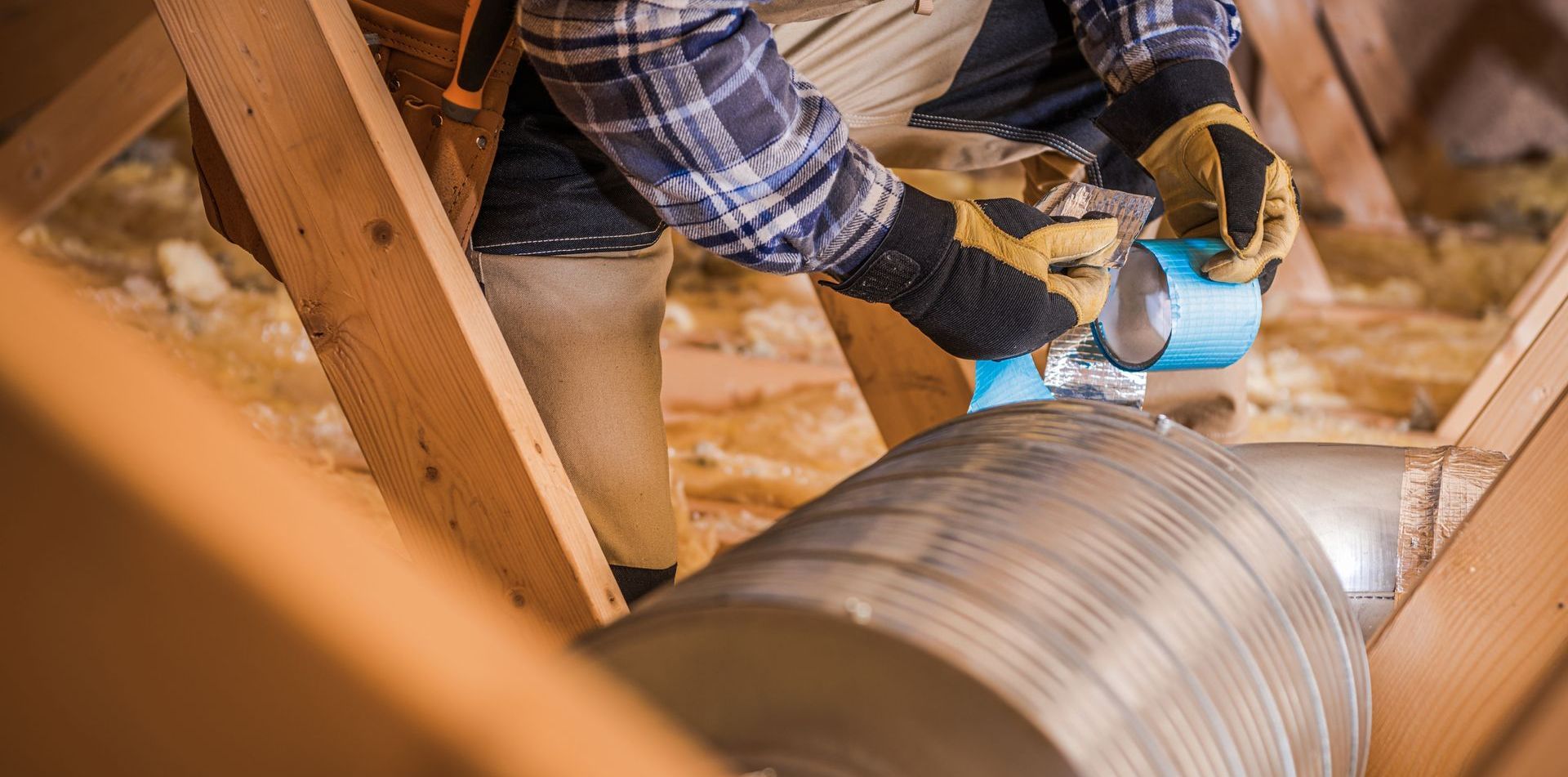
Though often overlooked, ductwork plays a crucial role in the efficiency of an HVAC system. These ducts are responsible for directing fresh, clean air throughout our homes, enhancing our comfort and easing the strain on both our HVAC systems and energy bills.
Despite the fact that high-quality ductwork can last between 15 and 25 years, over time, it will eventually show signs of deterioration. As your duct system starts to break down, you tend to notice a decrease in comfort, and your HVAC system may also struggle to function efficiently. So, how can you tell when it's time to replace your ductwork? Keep an eye out for these warning signs:
Reduced Airflow or Hot Air
Because ducts are designed to deliver air from your HVAC system to the rooms in your home, poor airflow is a clear sign that something may be wrong with your ductwork.
Here are a few common indicators of restricted airflow:
- Airflow is weak – This may signal a blockage, disconnected duct or buildup of dust and debris inside the ductwork
- Registers blow warm air even – This could mean that cool air isn’t reaching your vents due to a leak or obstruction
- Rooms feel humid –
Poor airflow can disrupt your home’s ability to properly regulate humidity, leaving rooms feeling damp or uncomfortable
Unusual Sounds – Hissing or clanking sounds from your vent may indicate air escaping through leaks or loose components rattling within the ducts
Rising Utility Bills
If you notice a significant rise in your energy bills, it's a clear sign that there’s something wrong with your ductwork. Ducts help optimize airflow, and when they're not functioning properly, your air conditioning system has to work harder to maintain cooler temperatures. This extra effort results in higher energy consumption and, ultimately, increased utility costs.
Excess Dirt and Dust
If you're frequently cleaning your vents but still see dust and debris building up, it may indicate that your ductwork needs to be replaced. Additionally, our bodies often signal when there’s an excess of dust in the air.
Some individuals are sensitive to dust, and when there's significant buildup, their allergies could flare up. Common symptoms are:
- Runny nose
- Coughing or wheezing
- Sneezing
- Itchy, swollen or watery eyes
Ductwork is Visibly Damaged
Clearly damaged ductwork is an indication that it's time for a replacement. If you're uncertain about the age of your ducts, visible damage serves as a straightforward sign that replacement may be needed sooner rather than later.
Common signs of damage include:
- Cracked or split ducts: These can allow air to escape, reducing the overall efficiency of your HVAC system
- Holes or punctures: Even small openings can lead to significant energy loss and inconsistent airflow
- Tearing in flexible ducts: Tears in the duct lining can compromise performance and allow contaminants into the air
- Loose, hanging or disconnected ducts: Misaligned or detached ducts can severely impact air distribution and may indicate poor installation or structural issues
- Mold or mildew growth: Mold present in or around ductwork often points to moisture buildup and poor ventilation
Damaged ducts not only compromise HVAC efficiency but also provide a pathway for pests to move through your home. Holes, cracks or tears in your ducts create entry points for insects and rodents, allowing them to get into your HVAC system. If you spot any pests nesting in your ducts, your ductwork requires attention right away.
What Should I Expect During Ductwork Installation?
An HVAC technician will assess your existing ductwork and create a customized installation plan. On installation day, the old ducts will be removed and properly disposed of. The new ducts will then be installed, which are specifically designed for your home’s features and needs. Once installation is complete, the technicians will perform tests to ensure the new ducts are functioning properly.
How Long Does the Process Take?
Installing ductwork typically takes between one to four days. The duration depends on various factors, such as the complexity of the design, the size of the home and whether any upgrades are being made to the system.
Regular Maintenance Is Needed Following Installation
After duct installation, regular maintenance is essential to make sure your system is working correctly. By scheduling routine duct cleanings and routinely replacing air vents, homeowners can improve the longevity of their new ductwork. Additionally, having your ducts regularly inspected by a professional HVAC technician can reduce the likelihood for issues to occur, saving you money and hassle in the long run.
Need To Get Your Ductwork Inspected? We Can Help!
If your ductwork needs maintenance or an inspection, Buzzell Plumbing, Heating and Air Conditioning is ready to assist! Located in Warner Robbins and Macon, we proudly serve the middle Georgia area.
To schedule a visit, give our team a call at 478-800-8053. To learn more about our HVAC and plumbing service, visit our website by clicking the link
here.